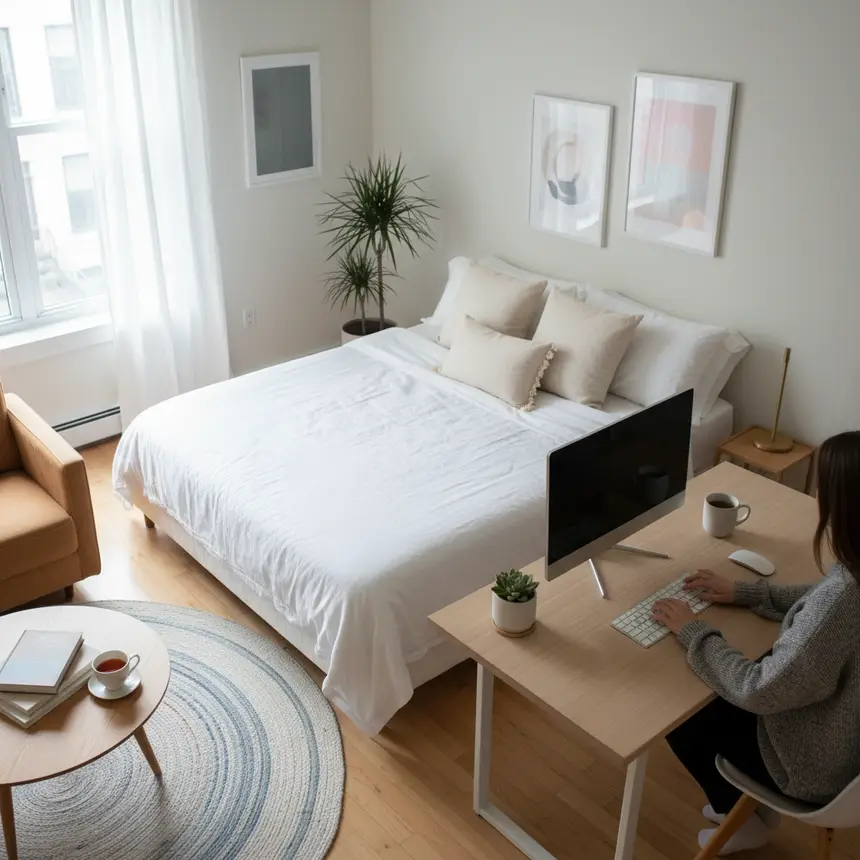
Loneliness in solo living is a common reality. Discover practical ways to fill the emotional void and create a stable sanctuary in your own home. Explore wise life management tips to enrich your independent journey.

H2: The Hidden Side of Independence: Confronting Loneliness in Solo Living
The dream of having one's own space often fuels the decision to live alone. Initially, the freedom and independence can be exhilarating. However, as the novelty wears off, an unexpected sense of emptiness can creep in, especially as evening descends and the quiet of an unoccupied apartment amplifies feelings of solitude. This can be particularly pronounced when social connections or a strong sense of belonging are less evident. Sharing these feelings with others who haven't lived alone might lead to dismissive remarks like, 'It's so convenient living by yourself!' This can exacerbate feelings of isolation, making one believe these emotions are unique or unjustified. It's crucial to recognize that experiencing loneliness while living alone is a completely normal part of the journey. Instead of simply enduring it, a proactive approach to managing these feelings is essential. Acknowledging your emotions and actively seeking ways to adapt to this new lifestyle is a vital step toward a more fulfilling independent life.

H2: Practical Strategies for a Vibrant Life: Transforming Your Routine and Environment
The first step in managing loneliness in solo living involves thoughtfully reorganizing your daily routine and introducing positive changes to your surroundings. Physical activity, even in small doses, wields surprising power. A brisk walk in a nearby park or a simple at-home workout can significantly boost your energy levels and uplift your mood. When you find yourself in a slump for a day or two, consciously planning and executing an outdoor activity can be a game-changer. Furthermore, enriching your personal space is a potent strategy. Introducing a small houseplant can bring a touch of living vibrancy, while playing your favorite music can effectively break the silence and create a more comforting atmosphere. These actions, which infuse life into your living area, directly contribute to filling psychological voids. Finally, setting and achieving small, manageable goals can foster a sense of accomplishment. This could be anything from organizing a specific corner of your apartment each week to trying out a new recipe. These consistent, small practices accumulate to enhance the quality of your solo living experience and become powerful tools for managing feelings of loneliness.
※ This post contains affiliate links. I may earn a commission at no extra cost to you.


H2: The Power of Self-Care: Cultivating Your Home as a Personal Sanctuary
Persistent loneliness can often lead to neglecting one's self-care. Yet, paradoxically, engaging in small acts of self-nurturing is one of the most powerful motivators for overcoming isolation. As you consistently apply the practical strategies mentioned earlier, you'll find yourself more proactively dedicating time to your well-being. For instance, the refreshing feeling after a regular workout often inspires a desire to invest more in your personal grooming and overall self-presentation. A tidy and organized living space fosters a sense of mental calm, and a room filled with your favorite music creates an inviting coziness. Your home transforms from just a place to sleep into a true sanctuary that recharges and comforts you. This shift isn't just about temporary mood boosts; it cultivates a profoundly positive perception of living alone. The loneliness experienced in independent living can often be a period of significant personal growth. Through this journey, you'll gain deeper self-understanding and discover the wisdom to enrich your independent life. Investing in yourself and valuing your personal space is the cornerstone of wisely managing loneliness and emerging stronger and more resilient.
Frequently Asked Questions
Q. Is it normal to feel intensely lonely after moving out on my own?
A. Absolutely, it's a very common and normal feeling. Many people experience this as they adapt to a new environment and independent living. Acknowledging these feelings and actively managing them is a healthy approach.
Q. What are effective ways to deal with silence when I'm home alone?
A. The easiest way to break the silence is to play background music or listen to podcasts. You can also engage in caring for a small houseplant or introduce activity through light cleaning and organizing.
Q. What's the first thing to try when feeling unmotivated or sluggish?
A. When lethargy strikes, start with small actions. One of the most effective methods is to 'move your body.' Even a short walk, light stretching, or a quick stroll around the neighborhood can significantly lift your spirits and change your mood.
Q. How can I turn my solo apartment into a personal sanctuary rather than just a living space?
A. To create a personal sanctuary, it's crucial to decorate in a way that reflects your personal taste. Use comfortable lighting, your favorite scents (like diffusers), and arrange cherished items to create a space you love. Maintaining cleanliness and order through regular tidying is also key to a consistently pleasant environment.