Feeling stuck in a cycle of late nights and sluggish mornings? Discover practical strategies for solo dwellers to reset their daily routine and reclaim energy. Start building healthier habits today.

The Solo Dweller's Dilemma: When Your Routine Goes Off-Track
The freedom of living alone is a double-edged sword. While it offers unparalleled independence, it also means you're solely responsible for structuring your day. Many of us fall into the trap of a shifting sleep schedule, where late nights bleed into late mornings. One day, you're up until dawn, and the next, the sun is high before your eyes even open. This irregular rhythm often brings a sense of inertia, making it hard to get anything done. Tasks pile up, your body feels out of sync, and a vague anxiety settles in. Rebuilding a healthy daily pattern after it's gone awry might seem daunting, but it's entirely achievable. Let's explore how you can recalibrate your internal clock and inject vitality back into your solo living experience.

The Ripple Effect: How Disrupted Sleep Patterns Impact Your Life
An erratic schedule isn't just about sleeping in; it casts a wide net of negative effects across your entire life. Our bodies thrive on predictability, operating on a finely tuned circadian rhythm. When this rhythm is thrown off, you might experience digestive issues, difficulty concentrating, or even mood swings. For instance, prolonged exposure to screens (phones, computers) late at night keeps your brain alert, preventing the deep, restorative sleep you need. Poor sleep quality means waking up groggy, regardless of how many hours you "slept," often perpetuating the cycle of late-night activity. Over time, this pattern can significantly reduce productivity and diminish your overall quality of life, underscoring the importance of mindful routine management.
※ This post contains affiliate links. I may earn a commission at no extra cost to you.


Resetting Your Internal Clock Through Your Living Space
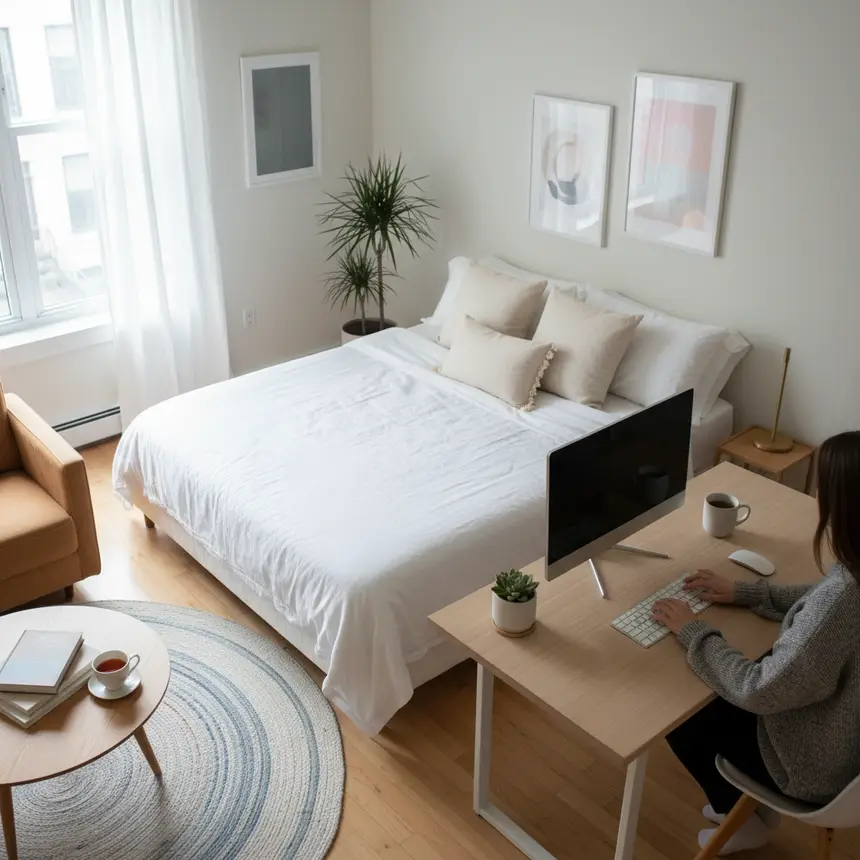
A great starting point for cultivating healthier habits is to examine your immediate surroundings. Your bedroom, in particular, should function as a sanctuary for rest. Begin by decluttering any unnecessary items from your bedside and making it a habit to keep electronics away from your bed at least an hour before you plan to sleep. Consider using blackout curtains to manage morning light or incorporating soft, warm lighting to create a tranquil atmosphere. Furthermore, ensuring the first space you encounter in the morning—perhaps your living room or kitchen—is bright and tidy can profoundly influence how positively you start your day. Simple adjustments in organization and layout can offer psychological comfort and motivate you to get your daily rhythm back on track.

Practical Steps to Weave a New Routine into Your Daily Life
Instead of attempting an overhaul, focus on gradual, manageable changes.
- Adjust Sleep Times Incrementally: Aim to go to bed 15 minutes earlier each night and wake up 15 minutes earlier each morning. Consistently doing this for a week can shift your sleep pattern forward without overwhelming your system.
- Craft a Simple Morning Ritual: Establish a few consistent actions upon waking, such as light stretching, opening your windows for fresh air, or drinking a glass of water. These small habits signal to your body that a new day has begun.
- Incorporate Light Physical Activity: Take a short walk around your neighborhood in the late afternoon or after dinner. Regular, moderate exercise is known to improve sleep quality and reduce stress levels.
- Prepare the Night Before: Lay out your clothes for the next day or prep ingredients for a simple breakfast. This minor preparation can make your mornings smoother and more efficient, reducing decision fatigue.

Cultivating a Healthy Solo Life, One Step at a Time
Transforming a disrupted routine isn't an overnight fix. There will be days you feel like you're slipping back into old habits, but the key is persistence, not perfection. Instead of striving for flawlessness, focus on being "a little better than yesterday." Celebrate small victories as you achieve your personal goals, and learn to enjoy the journey of gradually rediscovering a healthy daily rhythm. By moving at your own pace and consistently making mindful choices, you'll soon find yourself energized and thriving in your solo living space. Why not begin with one small change today?
Frequently Asked Questions
Q. What's the first step to break a habit of oversleeping?
A. Start by gradually shifting your bedtime and wake-up time by 15-minute increments each day. This gentle approach helps your body adapt more easily.
Q. Any simple tips to improve my sleep environment?
A. Keep your bedroom dark, quiet, and cool. Try to avoid screens (phones, computers) for at least an hour before bed. A tidy, clutter-free sleeping area can also promote relaxation.
Q. Does irregular eating also affect my daily pattern?
A. Yes, meal times significantly influence your circadian rhythm. Try to eat at consistent times each day, and don't skip breakfast, as it helps kickstart your metabolism and energy for the day.
Q. Should I wake up at the same time on weekends as during the week?
A. Ideally, try to keep your weekend wake-up time within 1-2 hours of your weekday time. Significant "sleep-ins" on weekends can disrupt your internal clock, making it harder to adjust back for the week.
Q. What's an effective trick when it's really hard to get out of bed in the morning?
A. Place your alarm clock far enough from your bed so you have to physically get up to turn it off. Also, opening your curtains to natural light immediately after waking can help suppress sleep hormones and promote alertness.