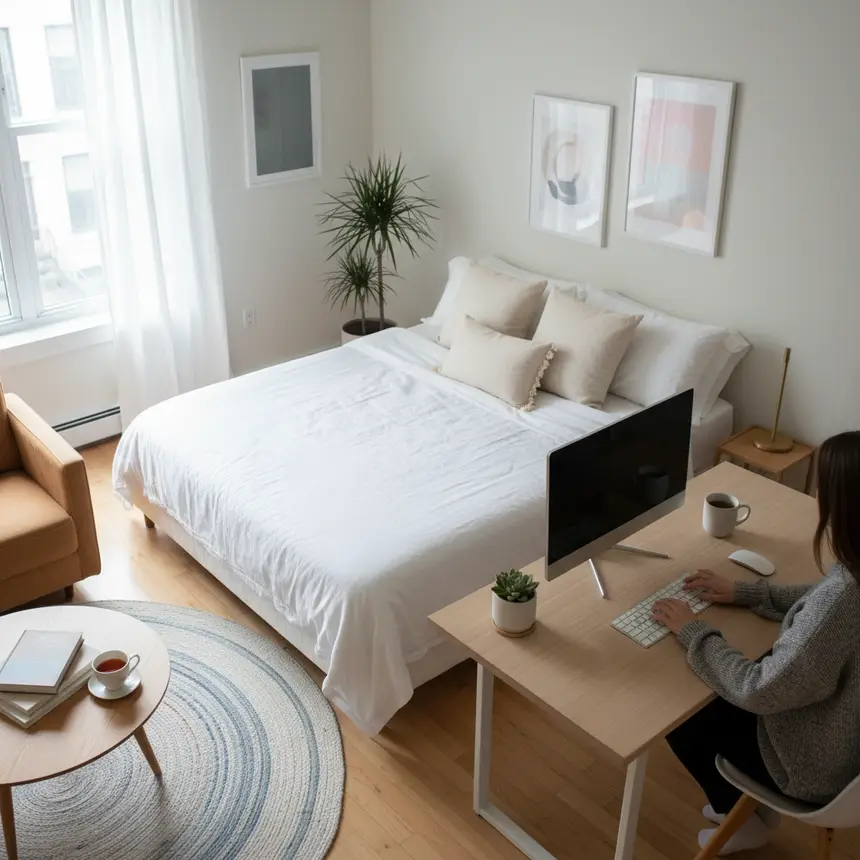
Are cleanliness and organization separate challenges in solo living? Discover practical life management tips to maintain a clean yet clutter-free space. Learn sustainable organization habits and efficient space utilization strategies for solo dwellers to create your peaceful sanctuary.

H2: Beyond Surface Cleanliness: The Solo Living Paradox
When you first move into your own place, the dream of a perfectly clean and organized sanctuary is vivid. A sparkling countertop and a tidy floor can bring immediate satisfaction. Yet, many solo dwellers quickly find that despite regular cleaning, their space feels perpetually cluttered. This common dilemma isn't about a lack of effort; it often stems from confusing cleaning with organizing. Cleaning removes dirt and keeps surfaces gleaming, but organizing is the deeper art of assigning a 'home' to every item and structuring your space for optimal flow. Without a system, even a spotless room can feel chaotic, hindering daily efficiency and adding subtle stress. Understanding this distinction is the fundamental first step towards maintaining a truly harmonious home.

H2: Core Strategies for Sustained Order in Your Solo Space
To bridge the gap between 'clean' and 'organized,' a strategic approach is essential. Begin by clearly defining zones within your living area based on their function. Designate a kitchen zone for cooking, a bedroom zone for rest, and a desk area for work or study. The key is to house only items relevant to that zone within its boundaries. For instance, keep cooking utensils in the kitchen and work documents near your desk. The 'a place for everything, and everything in its place' principle is paramount. Simple habits, like washing a used mug immediately or putting a book back on the shelf, cumulatively make a significant difference. When storage is limited, embrace vertical space with shelves or drawer dividers. Regularly decluttering by letting go of unused items is also a critical component of maintaining an effortlessly tidy environment, ensuring every item serves a purpose or brings joy.
※ This post contains affiliate links. I may earn a commission at no extra cost to you.


H2: Building Achievable Daily Organization Habits
A well-organized home isn't achieved in one grand effort; it's maintained through consistent daily routines. Dedicate a mere 10-15 minutes each day to a 'reset' of your space. This could involve tidying up items around your bed before sleep, prepping your clothes for the next day, or washing dishes right after use. These small, consistent actions prevent clutter from accumulating and ensure you wake up to a refreshed environment. On weekends, consider a slightly longer 'zone reset' where you might organize a single drawer, tidy your closet, or sort through papers. Additionally, implementing a 'monthly purge' helps keep things lean, allowing you to discard or donate items you no longer need. This layered approach—daily tidy-ups, weekly refreshes, and monthly declutters—makes organization manageable and sustainable, much like making small, regular deposits into a savings account for your living space.

H2: Cultivating Your Sanctuary Through Consistency
For anyone living alone, maintaining a clean and organized space is more than just a chore; it profoundly impacts well-being and mental clarity. A cluttered environment can subtly increase stress and reduce focus, while an orderly one promotes peace and enhances productivity. Don't aim for perfection from day one. Instead, start small: tackle a single drawer, your bedside table, or your desk. Each small victory builds momentum and confidence to expand to larger areas. The secret ingredient is consistency. Approach organization at a pace that feels right for you, without rushing. Your living space has the potential to be a comforting sanctuary that enriches your daily life. Why not start today by giving just one item its rightful place?
Frequently Asked Questions
Q. My small apartment feels too cramped for proper organization. What can I do?
A. In solo living spaces, maximizing vertical space is crucial. Utilize wall shelves, under-bed storage, and over-the-door organizers. Regularly decluttering unnecessary items is also key. Consider multi-functional furniture that offers hidden storage.
Q. I feel overwhelmed by the thought of organizing. Where should I begin?
A. Avoid trying to organize everything at once. Start with a small, visible area, like your desk or nightstand. Achieving success in a small zone will build momentum and confidence to tackle larger areas gradually.
Q. My space gets messy quickly even after organizing. How can I maintain it?
A. Establish the 'a place for everything' rule and consistently put items back after use. Also, implement a 'daily reset' routine, taking 10 minutes before bed to tidy up key areas. This routine is highly effective for sustained order.