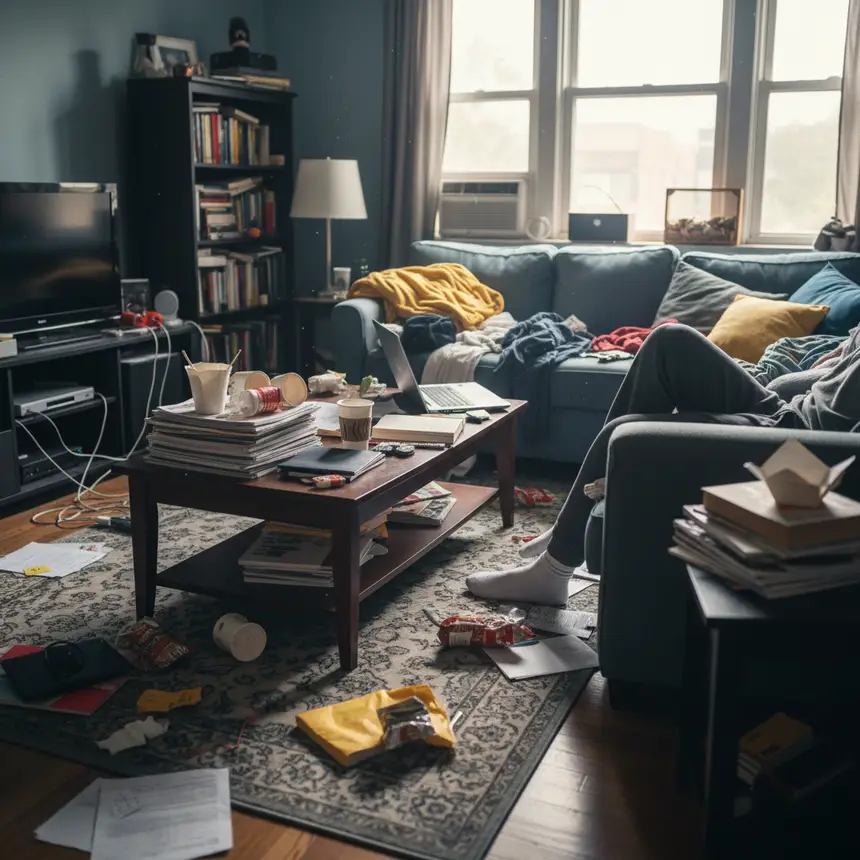
Don't fall for electricity bill rumors! Discover practical tips and smart appliance usage for solo living to save on energy costs. Learn how efficient energy management can reduce your monthly expenses.

Navigating the Unpredictable: The Shadow of Utility Bills
Living alone comes with its own set of financial puzzles, and utility bills often top the list of unpredictable expenses. Electricity costs, in particular, can be a source of anxiety for many independent dwellers. Thoughts like, "Am I unknowingly using electricity during peak, expensive hours?" or "Does using appliances after work cost more?" can lead to hesitation when it comes to daily chores. It's common to find oneself second-guessing doing a late-night laundry load or setting a rice cooker timer, all fueled by vague concerns. These worries often stem from misinformation or common misconceptions. Before sighing at another monthly bill, take a moment to observe your current electricity consumption habits. Simply noting down which appliances you use, when, and for how long can demystify your energy usage and set the stage for smarter management.

Understanding Residential Electricity Charges: What Really Matters
Recently, online discussions have sparked confusion with claims like, "Electricity bills skyrocket if you use power after 6 PM." Many have worried about potential surcharges for evening appliance use. However, official statements from utility providers confirm that standard residential electricity bills are not subject to time-of-day pricing. This means running your washing machine or dryer in the evening or late at night won't double or triple your costs. Time-based tariffs typically apply to industrial electricity, used by factories and large businesses. For households, the 'tiered rate system' remains the primary method of billing. Under this system, the more electricity you consume, the higher the rate you pay per unit as you cross certain usage thresholds. Therefore, the key factor isn't when you use electricity, but how much. Regularly checking your monthly electricity consumption tiers is a crucial step in preventing unexpected bill increases.
※ This post contains affiliate links. I may earn a commission at no extra cost to you.


Small Changes, Big Savings: Daily Habits for Energy Efficiency
Since we now know that total consumption dictates your residential electricity bill, cultivating practical habits to reduce unnecessary power waste is essential. Beyond simply cutting down on appliance use, numerous small adjustments can lead to significant savings. For instance, always aim to run your washing machine or dishwasher with a full load; it's far more energy-efficient than running partial loads multiple times. Another impactful habit is unplugging electronics when not in use to eliminate 'vampire drain' – the power devices consume even when turned off. Utilizing smart plugs or power strips can make this easier by allowing you to switch off multiple devices simultaneously. For your refrigerator, avoid overfilling it (aim for 60-70% capacity), let hot food cool before storing, and minimize how often you open the door. When using air conditioning or heating, maintain moderate indoor temperatures and regularly clean filters for optimal efficiency. These minor routine changes collectively contribute to a healthier electricity bill each month. Why not start this week by consistently unplugging unused chargers and devices?

Informed Choices for a Smarter Solo Living Experience
In an age flooded with information, it’s crucial to approach news that impacts daily life with a discerning eye. Misinformation, like the electricity bill rumors, can cause undue stress and lead to inefficient decisions. The key is to base your lifestyle choices on accurate information. By understanding that residential electricity costs depend on total usage, not the time of day, you can adopt habits that reduce unnecessary power consumption and keep your bills manageable. We hope these insights offer some support in managing your solo living expenses. Effectively controlling your fixed monthly costs is a significant step towards financial independence. We encourage you to continue making informed decisions and small, consistent efforts for a more resourceful and comfortable independent life.
Frequently Asked Questions
Q. Do residential electricity rates vary by time of day?
A. No, standard residential electricity is not subject to time-of-use rates. Using appliances in the evening or at night does not incur extra charges. Time-based tariffs are typically applied to industrial electricity.
Q. How does the tiered electricity rate system work?
A. The tiered rate system means that the more electricity you consume, the higher the rate per unit becomes as your usage crosses predetermined thresholds. Your total bill increases disproportionately as you use more power.
Q. Does doing laundry at night increase my electricity bill?
A. No, it does not. Since residential electricity doesn't have time-of-day surcharges, your bill is based on the total power consumed by your washing machine, regardless of when you operate it.
Q. What's the best first step for solo dwellers to save on electricity?
A. Start by reviewing your monthly electricity usage to understand your consumption patterns and identify which appliances are the biggest power users. Then, implement small changes like unplugging idle devices or using appliances more efficiently.