Feeling overwhelmed by your solo living space? Discover practical strategies to overcome procrastination,
establish simple habits, and create a calm, efficient home that supports your well-being. Transform your daily life, one small step at a time.

H2. The Relatable Struggle of Solo Living: Drowning in a Sea of Unfinished Tasks
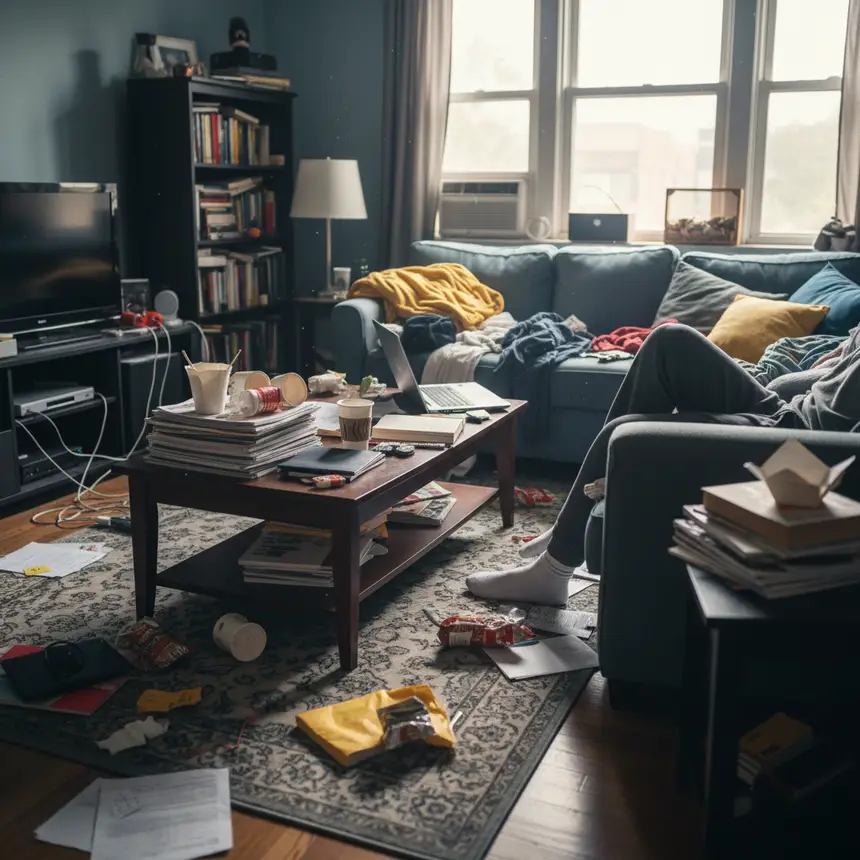
The initial thrill of having your own space often gives way to the surprising demands of managing it. While you might start with grand visions of a perfectly organized home, many of us soon find ourselves staring at growing laundry piles, overflowing sinks, and a daunting list of undone chores. The thought of 'I'll do it later' subtly morphs into 'I'll get to it someday,' leading to a cycle of procrastination that makes tasks seem insurmountable. This vicious cycle not only creates a messy living environment but also weighs heavily on our minds, fostering feelings of inertia that can drain the joy from daily life. You're not alone if you've experienced this sense of being overwhelmed by your own living space.

H2. Beyond Laziness: Unpacking the Psychological Roots of Procrastination
Postponing life management tasks isn't merely a sign of laziness; it often stems from deeper psychological factors. When faced with a complex problem, it's easy to feel overwhelmed, making the first step seem impossible, even if we know that starting is half the battle. For instance, a cluttered room can trigger a sense of paralysis, making it hard to decide where to begin. What starts as a temporary delay, thinking 'I'll tackle it when I have more time,' can quickly lead to months or even a year of neglect. Similarly, maintaining habits like exercise can falter, and the fatigue of repetitive tasks like cooking often pushes us towards takeout. These deferred responsibilities escalate psychological stress, inadvertently magnifying the very problems we're trying to avoid.
※ This post contains affiliate links. I may earn a commission at no extra cost to you.


H2. The Heart of Home Management: Small Shifts for an Organized Life
To overcome procrastination and cultivate an efficient life, practical small changes are far more impactful than grand, unattainable plans. Start by practicing the art of breaking down overwhelming tasks into manageable mini-steps. Instead of 'clean the entire apartment,' try 'organize just the desk' or 'vacuum only the living room.' These smaller, achievable goals provide a sense of accomplishment, fueling motivation for the next step. For those weary of cooking, planning a week's meals in advance and doing basic prep work on the weekend—like chopping vegetables or making simple sauces—can significantly lighten weekday dinner burdens. Furthermore, a foundational principle for maintaining a tidy space is decluttering unused items and assigning a specific home for everything. When you only keep what you need and give everything a place, cleaning and organizing become much less daunting.

H2. Crafting Your Own Sustainable Daily Routines for Lasting Change
Consistency trumps intensity when it comes to sustainable living. Building small, regular routines is more effective than sporadic deep cleans. Consider simple daily actions like making your bed each morning or tidying the living room floor for five minutes before bed. These seemingly insignificant habits accumulate to create significant change. Employ the '2-minute rule': if a task takes less than two minutes, do it immediately. This could mean discarding packaging right away, washing dishes after a meal, or putting items back in their designated spots. Dedicate an hour on weekends for a 'power tidy' to catch up on tasks you missed during the week. Additionally, establishing a weekly routine for tasks like clearing out the fridge and planning the next week's meals can reduce cooking stress and minimize food waste. These tiny habits collectively make our lives more efficient and comfortable.

H2. An Investment in Yourself: The Vitality of a Tidy Space
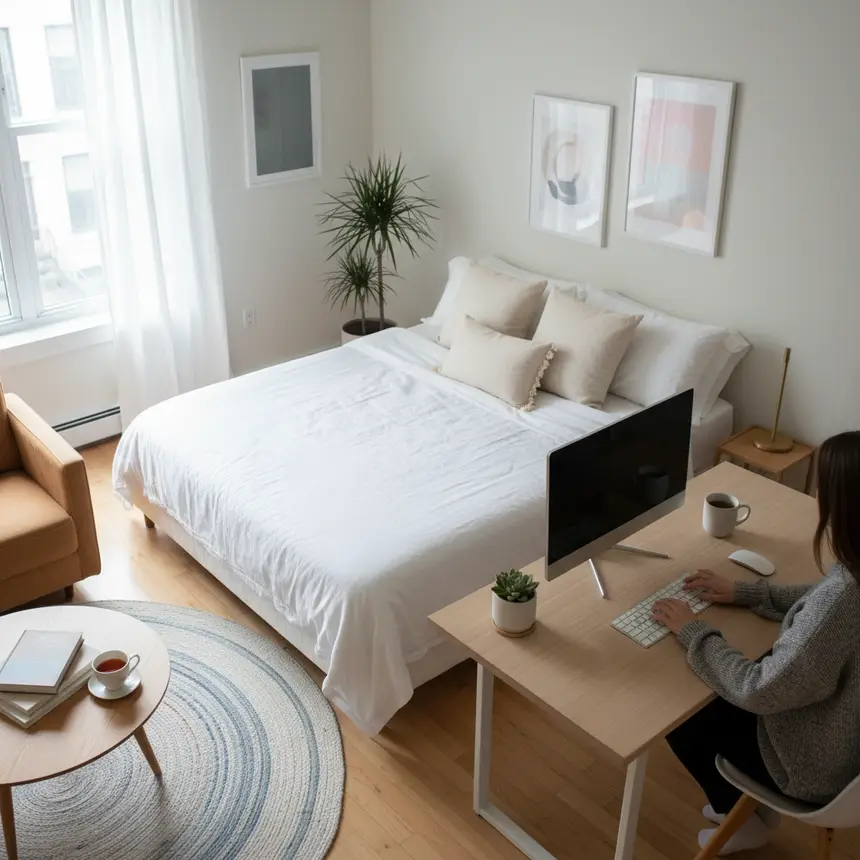
A well-organized environment is more than just aesthetically pleasing; it profoundly impacts our mental well-being. Cluttered surroundings can induce stress and hinder concentration, whereas a neat and orderly space fosters psychological stability and clarity of thought. Similar to the relief felt after completing a long-delayed project, a clean space created through your own efforts boosts self-esteem and injects vitality into daily life. The goal isn't perfection, but rather to start with one small, actionable step right now. This could be as simple as decluttering one unused item of clothing or placing a few misplaced items on your desk back in their homes. Your consistent small efforts will gradually build a true sanctuary—a stress-free, comfortable haven. Begin this small but powerful transformation for your life today.
Frequently Asked Questions
Q. Where's the best place to start when decluttering a small apartment?
A. Begin with the area that feels most urgent or that you use most frequently. For instance, organizing your desk or the area around your bed can provide a quick sense of accomplishment, motivating you to tackle larger zones.
Q. What are some quick meal solutions for busy weeknights?
A. Plan your meals for the week on a weekend and do some basic prep like chopping vegetables or preparing sauces in advance. Utilizing meal kits or convenient ready-to-cook options can also be a significant time-saver.
Q. How can I effectively break the cycle of procrastination?
A. Employ the '2-minute rule' for tasks that can be completed quickly, and break down larger goals into smaller, manageable steps. Identifying the core reasons behind your procrastination and addressing them is also key.
Q. What's a realistic daily routine for someone with a demanding schedule?
A. Implement mini-routines that take minimal time, such as making your bed in the morning, putting things away before leaving, or a 5-minute tidy-up before bed. Performing these actions at the same time daily helps them become ingrained habits.
Q. Do you have tips for efficiently storing items in a solo living space?
A. Maximize vertical storage and use multi-functional furniture to make the most of your space. Store less frequently used items out of sight and regularly declutter unnecessary belongings to maintain an open feel.