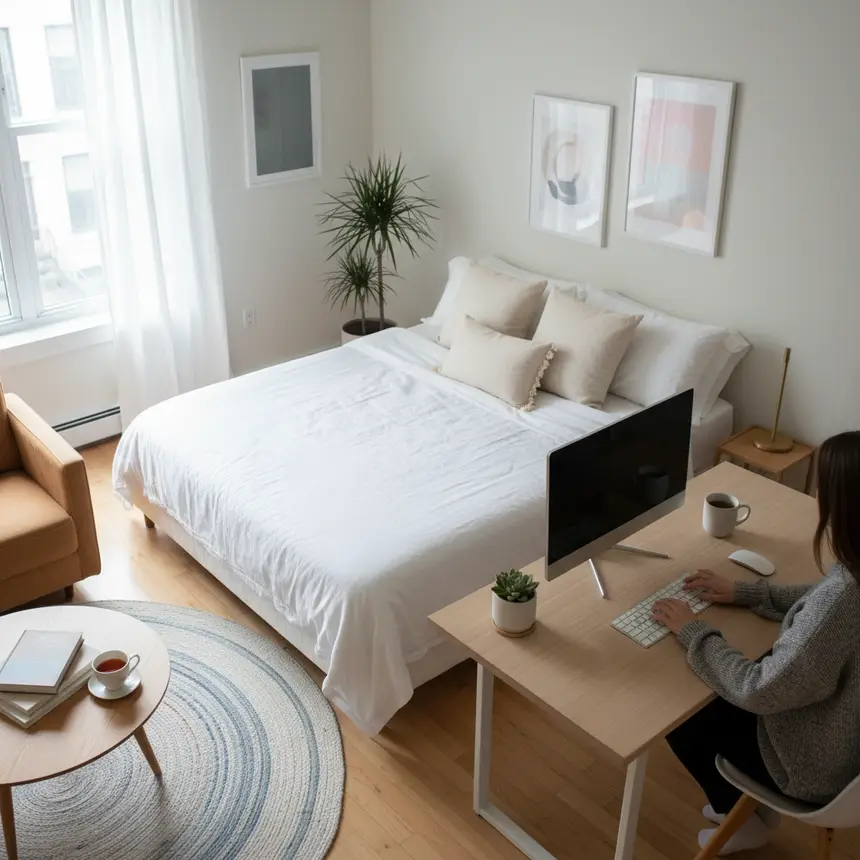
Struggling with sleep as a solo dweller? Discover practical tips for managing your sleep habits and creating an optimal sleep environment to enjoy more energized days.

The Common Struggle: Sleepless Nights in Solo Living
For those navigating the independent life of solo dwelling, a good night's sleep often feels like an elusive luxury. Many can relate to tossing and turning for hours, or waking up in the early morning unable to drift back to sleep. This cycle of poor rest accumulates, leading to daytime fatigue, decreased concentration, and increased irritability, impacting overall well-being. Modern lifestyles, filled with late-night screen time, erratic schedules, and daily stressors, constantly challenge our ability to unwind. Our bodies naturally prepare for sleep by gradually lowering core temperature and reducing sensitivity to external stimuli, but when this rhythm is disrupted, deep sleep becomes harder to achieve. Without adequate rest, waking up refreshed and energetic feels like a distant dream. If you frequently find yourself struggling to sleep, it’s worth examining your current habits and living environment, rather than simply attributing it to general tiredness. The foundation of a healthy solo living experience begins with restorative sleep.

Crafting Sleep-Friendly Habits and an Optimal Environment
The first step towards quality sleep is establishing a consistent sleep rhythm. Going to bed and waking up around the same time each day significantly helps stabilize your body's internal clock. Aim to maintain a similar wake-up time even on weekends. It's advisable to avoid electronic devices that emit blue light, like smartphones and tablets, for 2-3 hours before bedtime. Instead, engage in relaxing activities such as taking a warm shower, light stretching, or reading a calming book to help your mind unwind. Your bedroom environment is equally crucial. A dark, quiet, and cool space is most conducive to sleep. Utilize blackout curtains to block external light, and consider earplugs if noise is an issue. Maintain the room temperature slightly cool, ideally between 65-72°F (18-22°C). It’s also beneficial to associate your bed solely with sleep; minimize other activities like working or eating in bed. These small, deliberate efforts collectively contribute to creating a peaceful sleep sanctuary, ultimately helping to reduce those restless nights.
※ This post contains affiliate links. I may earn a commission at no extra cost to you.


Transforming Your Mornings with Small, Consistent Changes
Even minor adjustments to your sleep habits and environment can profoundly change how you greet the morning. Rather than attempting a complete overhaul, focus on implementing one achievable goal at a time. For instance, you might start by simply keeping your phone out of the bedroom an hour before sleep tonight. Or, commit to not sleeping in more than an hour past your usual wake-up time on weekends. Such consistent practices help your body recognize when it's time to sleep, promoting easier onset and maintenance of deep sleep. When you're sufficiently rested and recharged, your daytime productivity improves, and you're better equipped to manage stress. Just as you charge your smartphone overnight, your body requires its nightly recharge through adequate sleep. As restless nights diminish and refreshing mornings become the norm, your satisfaction with solo living and overall quality of life will undoubtedly improve. Remember, regular sleep habits are not just about sleeping well; they are a critical factor in determining your daily energy and happiness.
Frequently Asked Questions
Q. Why does looking at my smartphone before bed interfere with good sleep?
A. The blue light emitted from smartphone screens can suppress the production of melatonin, a hormone that signals to your brain that it's time to sleep. Additionally, engaging with stimulating content keeps your brain active, making it harder to drift off.
Q. Is it bad for my sleep rhythm to sleep in and stay up late on weekends?
A. Yes, significant changes to your sleep schedule on weekends can confuse your body's internal clock. This can lead to a 'social jet lag' effect, making you feel more tired on Monday mornings. It's best to maintain a consistent sleep-wake schedule as much as possible.
Q. How can I optimize my bedroom environment for better sleep?
A. Your bedroom should be dark, quiet, and cool. Use blackout curtains to block light, minimize external noise, and keep the room temperature between 65-72°F (18-22°C). Also, try to reserve your bed mainly for sleeping.
Q. Can a special bedtime routine help me fall asleep?
A. Absolutely. An evening routine of 30 minutes to an hour can signal to your body and mind that it's time to wind down. Activities like a warm shower, light stretching, drinking caffeine-free tea, listening to calming music, or reading a book can be very effective in preparing you for sleep.