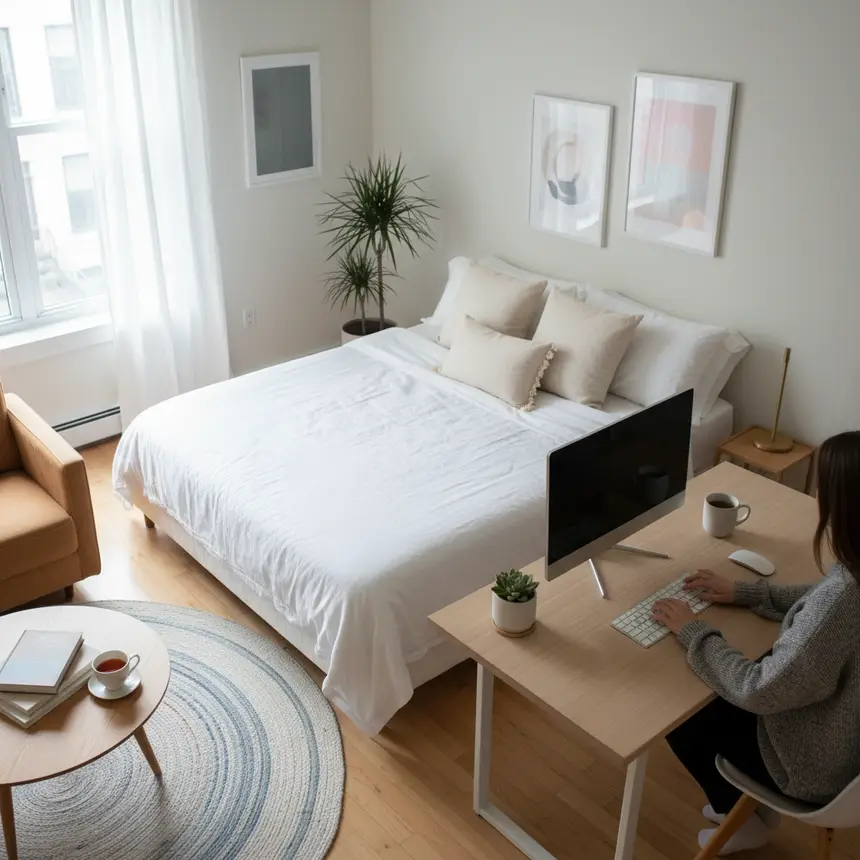
Living alone can make meal prep feel like a chore. Discover practical tips to efficiently use your fridge and pantry ingredients for delicious, hassle-free meals. Transform your kitchen into a stress-free zone with smart ingredient management.

Navigating the Daily Mealtime Challenge for Independents
For many living independently, the daily question of "What's for dinner?" can feel more like a chore than an exciting prospect. After a long day, the energy to cook often dwindles, leading to the familiar cycle of takeout orders or quick, less-than-nutritious convenience foods. You open the refrigerator, see it full of various items, yet feel like there's "nothing to eat." Fresh produce wilts, and those odd bits of leftover ingredients eventually end up in the trash. This pattern not only inflates your grocery bill but also steers you further away from a healthy, balanced diet. However, with a bit of foresight and smart planning, transforming those seemingly disparate ingredients into satisfying, easy meals is entirely achievable. Crafting a comforting meal for yourself, even amidst a hectic solo lifestyle, doesn't have to be a struggle. Let's explore practical ways to leverage your existing ingredients for healthier, more enjoyable mealtimes, reclaiming both your health and your precious free time.
Maximizing Your Ingredients: Intelligent Kitchen Management
Efficiently managing the contents of your refrigerator and pantry is the cornerstone of hassle-free solo dining. Adopting a few simple habits can significantly reduce food waste, save money, and alleviate the stress associated with cooking.
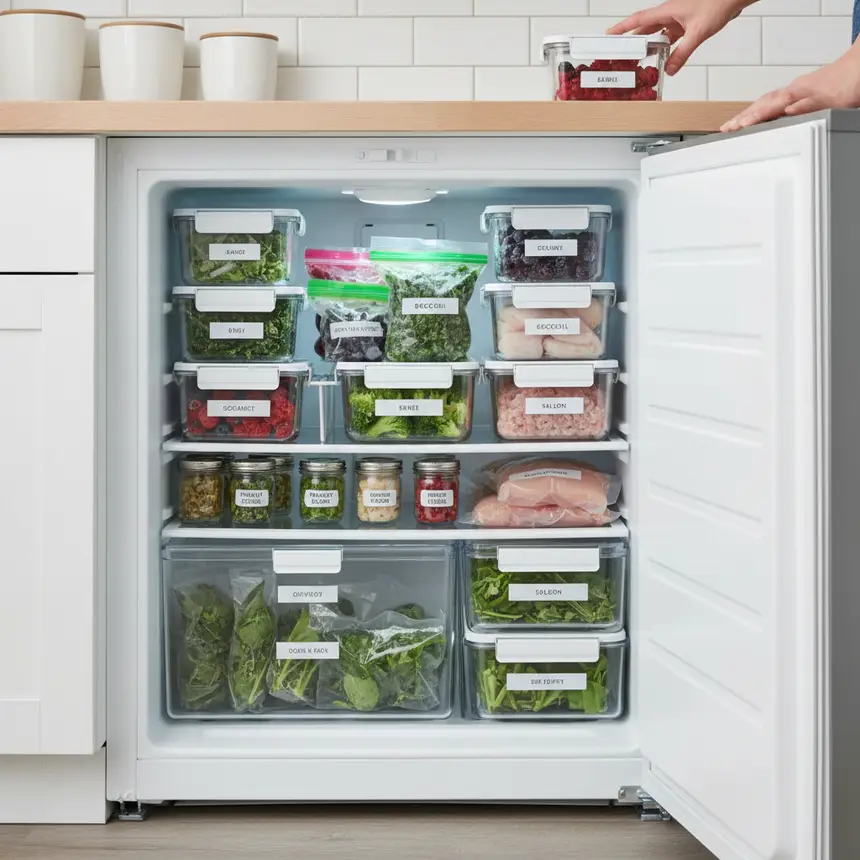
- Embrace the Power of Your Freezer: Make it a routine to portion and freeze ingredients that spoil quickly, like mushrooms, minced garlic, chopped vegetables, or pre-cooked legumes. This allows you to grab exactly what you need, when you need it, preserving freshness and saving precious prep time. For instance, freezing mushrooms can even enhance their umami flavor when cooked, making them a fantastic go-to for impromptu meals.
- Cultivate Flexible Meal Planning: Instead of creating a rigid weekly meal plan, think in broader categories, like "pasta night" or "stir-fry evening," and adjust based on what you have on hand. Before every grocery run, make it a habit to thoroughly check your fridge and pantry. This simple step prevents duplicate purchases and ensures you prioritize using ingredients that are nearing their expiry.
- Master Ingredient-Focused Cooking Techniques: Understanding how to bring out the best in each ingredient is key. For high-moisture vegetables like mushrooms, start by sautéing them over medium heat without oil. This method allows their natural water content to evaporate first, intensifying their flavor and improving texture. Once the moisture has significantly reduced, then add a small amount of oil and seasonings. This technique concentrates the taste, elevating even the simplest ingredients into something special.
※ This post contains affiliate links. I may earn a commission at no extra cost to you.

Embracing Simplicity: How Easy Meals Enhance Your Lifestyle
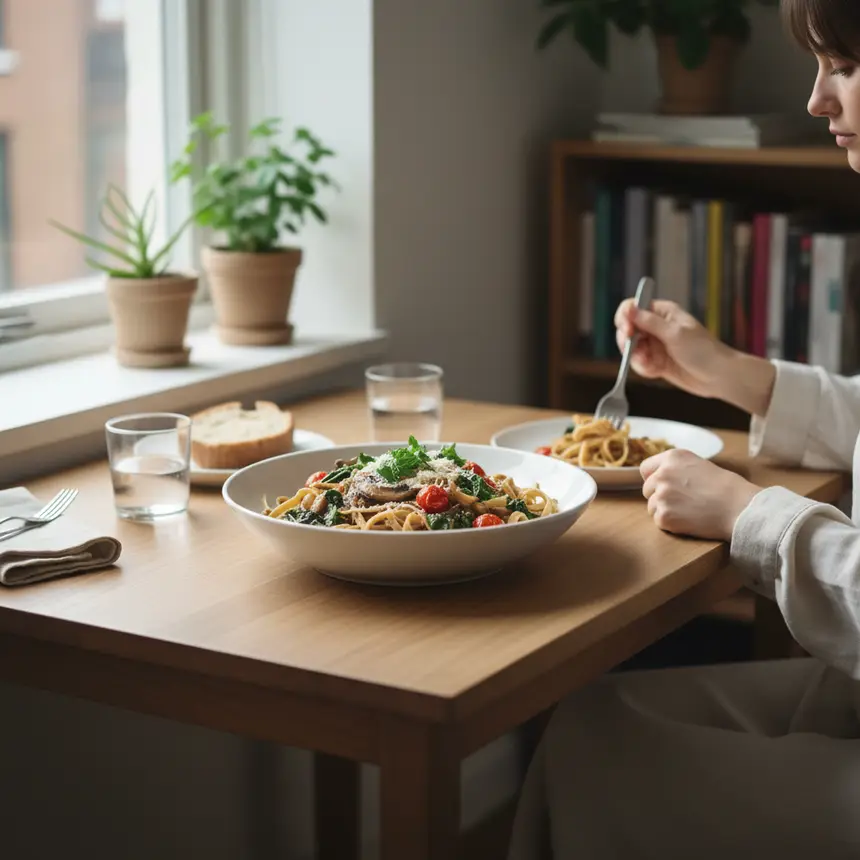
As these practices become second nature, your solo living experience will undeniably improve. Imagine returning home after a tiring day, knowing you can effortlessly pull pre-prepped mushrooms and vegetables from your freezer to whip up a delicious pasta dish in minutes. No urgent grocery runs, no agonizing over meal choices. Within 30 minutes, a warm, healthy meal is ready – a truly transformative experience for anyone living alone. This isn't just about feeding yourself; it provides a profound sense of psychological comfort and control.
- Financial Savings: By reducing reliance on takeout and minimizing food waste, you'll see a noticeable decrease in your food expenses.
- Health Boost: Cooking more at home gives you greater control over your diet, leading to healthier eating habits and better nutritional intake.
- More Free Time: Reduced time spent on meal planning, grocery shopping, and cooking guesswork frees up valuable hours for hobbies, relaxation, or personal growth.
- Enhanced Quality of Life: A more organized approach to meals contributes to overall life satisfaction, fostering a sense of accomplishment and self-care.
Frequently Asked Questions
Q. What are the best ways to store leftover vegetables efficiently?
A. To keep leftover vegetables fresh, store them in airtight containers or bags, minimizing air exposure. Wrapping them in a damp paper towel can also help maintain moisture and extend their freshness.
Q. Which staple ingredients are ideal for quick meal preparation?
A. Excellent staples include frozen dumplings, canned tuna, eggs, pasta, frozen mixed vegetables, and pre-portioned cooked rice. These versatile items can be combined in many ways for a fast meal.
Q. Do you have tips for smart grocery shopping to minimize food waste?
A. Before shopping, always check your current inventory and make a precise list. Buying smaller quantities more frequently and choosing seasonal produce can also help reduce waste and save money.
Q. How can solo dwellers maintain a healthy and balanced diet?
A. Focus on building meals around a core of protein (eggs, chicken breast), carbohydrates (rice, whole-wheat bread), and plenty of vegetables (fresh or frozen). Vary your ingredients to ensure a wide range of nutrients.
Q. What are some quick cooking hacks to save time in the kitchen?
A. Prep vegetables in advance on weekends, or make large batches of sauces or marinades to use throughout the week. One-pan meals and air fryer recipes are also great for quick, convenient cooking.