Tired of dampness in your apartment? Discover practical humidity management tips to create a fresh solo living space. Learn tailored strategies for each area and simple routines to maintain a healthy, comfortable home.

H2. The Unspoken Struggle: Battling Dampness in Your Apartment
Your solo apartment should be a sanctuary, a cozy haven where you can unwind. Yet, many of us face a common, unwelcome guest: pervasive dampness. Especially during humid seasons or rainy spells, inadequate moisture control can leave your living space feeling heavy, leading to unpleasant odors and even threatening your cherished clothes and shoes with mold. In smaller quarters, humidity tends to get trapped more easily. Therefore, effective humidity management isn't just an option; it's a vital part of maintaining a comfortable and healthy home. Let's explore practical strategies to keep your personal space feeling crisp and clean.

H2. Why Does My Place Always Feel Clammy? Uncovering Humidity Hotspots
The persistent dampness in your apartment isn't solely due to the weather. It often stems from structural factors and daily habits that encourage moisture accumulation. Enclosed storage areas like wardrobes and linen closets, with their limited air circulation, become prime locations for humidity to settle. Shoe cabinets, often housing damp footwear and lacking ventilation, quickly turn into breeding grounds for moisture and unpleasant smells. Furthermore, areas behind furniture pressed against walls or in tight corners suffer from stagnant air, creating ideal conditions for dampness to linger. Since these spots are rarely ventilated naturally, without regular intervention, accumulated moisture can lead to mold and other undesirable conditions. Identifying these common humidity traps is the crucial first step in any effective moisture control plan.
※ This post contains affiliate links. I may earn a commission at no extra cost to you.


H2. Tailored Dehumidifying Tactics for Every Corner of Your Home
Effective moisture control hinges on understanding each area's unique characteristics and applying appropriate dehumidifying methods. Utilizing small-scale moisture absorbers strategically throughout your home is an excellent approach. These products work by drawing moisture from the air and converting it into a liquid solution.
Crucially, when setting up an absorber, ensure you only remove the inner foil seal while keeping the white non-woven fabric intact before closing the lid. This prevents the absorbed liquid from spilling. Depending on the room size and humidity level, you might need to use multiple absorbers or combine different types of dehumidifying products.
- Wardrobes and Linen Closets: As enclosed spaces, these are ideal for moisture absorbers. Place them between clothes or on shelves to prevent fabrics from absorbing dampness.
- Shoe Cabinets: Given the combined issue of odor and dampness, consider using absorbers with deodorizing properties or deploying several small ones. Position them under shoes or in shelf crevices.
- Behind Wall-Adjacent Furniture: Areas behind beds or sofas often accumulate moisture. Create a slight gap between the furniture and the wall, then place a flat moisture absorber there for best results.
- Kitchen Nooks: Spaces under the sink or next to the refrigerator can also be prone to dampness. Small absorbers here contribute to a more hygienic environment.
Crucially, when setting up an absorber, ensure you only remove the inner foil seal while keeping the white non-woven fabric intact before closing the lid. This prevents the absorbed liquid from spilling. Depending on the room size and humidity level, you might need to use multiple absorbers or combine different types of dehumidifying products.
H2. Consistency is Key: Building a Daily Dehumidifying Routine
Moisture management isn't a one-time fix; it requires consistent attention and integration into your daily habits. Establishing a routine can help maintain a pleasant environment in your apartment:
1. Regular Inspection: Moisture absorbers turn humidity into liquid. When the liquid reaches the 'replace' line indicated on the product, it's time for a new one. Replacement frequency typically increases during humid seasons and decreases during drier periods. Aim to check all absorbers at least once a month.
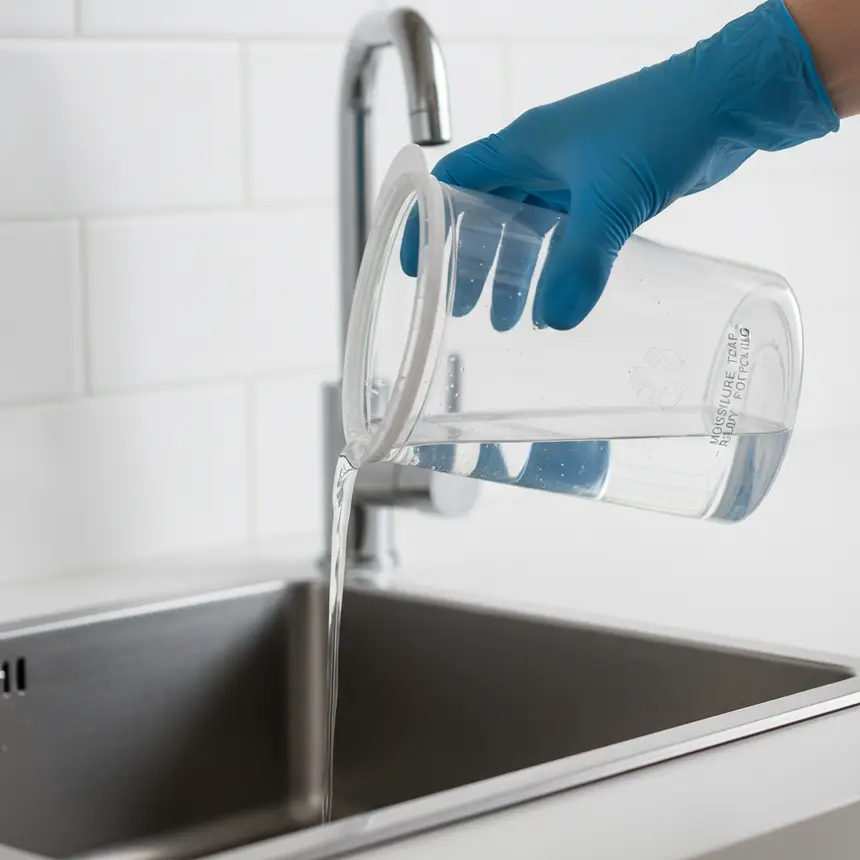
2. Safe Disposal: The liquid inside absorbers is usually a calcium chloride solution, so avoid direct skin or eye contact. Wear rubber gloves when handling. After removing the top fabric, slowly pour the liquid down a drain or toilet, then rinse the container thoroughly. The empty plastic container and lid can then be recycled according to local guidelines. If you're into DIY, these empty containers can sometimes be repurposed for homemade dehumidifiers.
3. Ventilation and Drying: Even with effective absorbers, daily ventilation is crucial. Aim for at least 10 minutes of airing out your space. On very humid days, using a dehumidifier or your AC's dry mode can be very beneficial. Whenever possible, dry laundry outdoors; if drying indoors, keep a window slightly ajar to allow moisture to escape.
1. Regular Inspection: Moisture absorbers turn humidity into liquid. When the liquid reaches the 'replace' line indicated on the product, it's time for a new one. Replacement frequency typically increases during humid seasons and decreases during drier periods. Aim to check all absorbers at least once a month.
2. Safe Disposal: The liquid inside absorbers is usually a calcium chloride solution, so avoid direct skin or eye contact. Wear rubber gloves when handling. After removing the top fabric, slowly pour the liquid down a drain or toilet, then rinse the container thoroughly. The empty plastic container and lid can then be recycled according to local guidelines. If you're into DIY, these empty containers can sometimes be repurposed for homemade dehumidifiers.
3. Ventilation and Drying: Even with effective absorbers, daily ventilation is crucial. Aim for at least 10 minutes of airing out your space. On very humid days, using a dehumidifier or your AC's dry mode can be very beneficial. Whenever possible, dry laundry outdoors; if drying indoors, keep a window slightly ajar to allow moisture to escape.
H2. Crafting a Fresh Solo Life, One Small Habit at a Time
While managing humidity in your apartment might seem like an extra chore, it significantly impacts your health and overall quality of life. A fresh, damp-free living space is invaluable for unwinding after a long day and recharging your energy. You don't need expensive appliances to achieve this; simply understanding your space and strategically using affordable, effective moisture control items can make a world of difference. Start today by paying a little extra attention to those hidden corners in your closet, shoe rack, and behind your furniture. These small, consistent actions will accumulate to create a clean and invigorating personal haven. Achieving a comfortable, fresh apartment is entirely within reach. Begin now and transform your home into a dry, welcoming sanctuary!
Frequently Asked Questions
Q. Is the liquid inside moisture absorbers harmful to humans?
A. The liquid formed inside moisture absorbers is primarily a calcium chloride solution that has absorbed water. Direct contact can irritate skin, so it's essential to wear gloves and avoid contact with eyes or skin. If contact occurs, rinse immediately with plenty of clean water.
Q. Besides chemical absorbers, are there other ways to reduce humidity?
A. Yes, there are several methods. Regular ventilation is key. You can also use natural desiccants like charcoal or used coffee grounds. Additionally, using your air conditioner's dehumidify function or running a fan to circulate air on humid days can be very effective.
Q. How often should I expect to replace moisture absorbers?
A. The replacement frequency varies greatly depending on the ambient humidity and the size of the absorber. During highly humid periods like rainy seasons, they might fill up in 1-2 months. In drier seasons, they could last over 3 months. The most accurate guide is to follow the liquid level indicator on the product itself.
Q. What problems can arise if humidity management is neglected?
A. Neglecting humidity control primarily leads to mold growth. This not only damages clothing and furniture but can also negatively impact health by exacerbating respiratory issues or allergies. Furthermore, unpleasant odors can develop, diminishing the overall quality of your living environment.