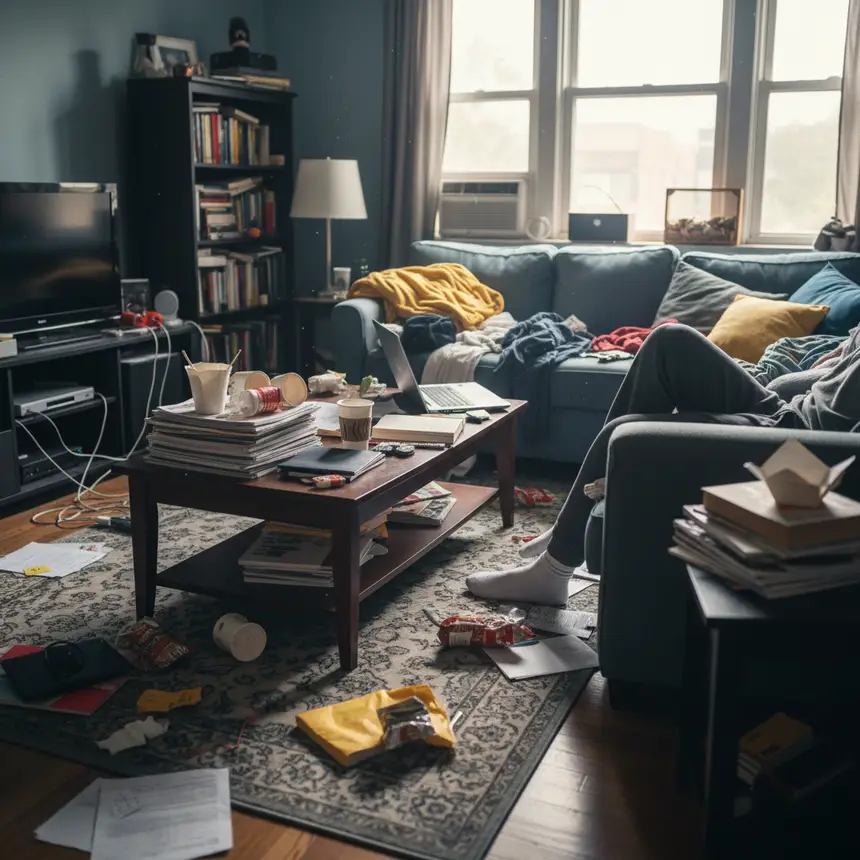
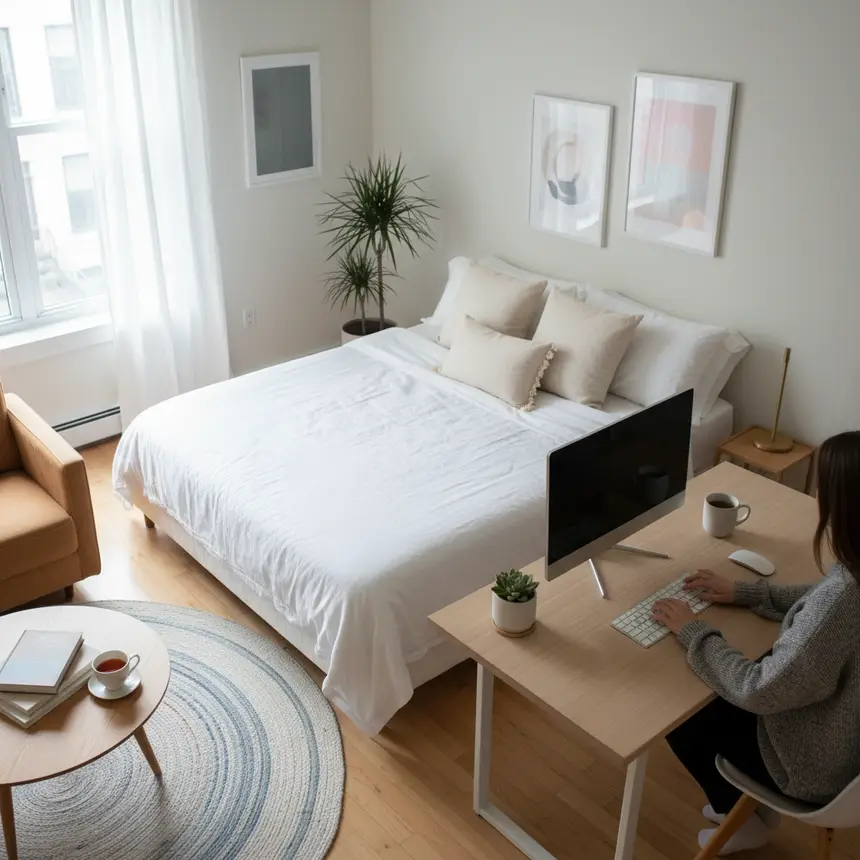
Looking for ways to cut down on winter heating costs as a single dweller? Discover essential tips from boiler pipe maintenance to daily habits for a warm, budget-friendly winter.

H2. Staying Warm on a Budget: A Single Dweller's Guide to Winter Heating
As winter rolls around, one of the biggest concerns for anyone living alone is the heating bill. Many hesitate to even turn up the thermostat, dreading the utility statement at the end of the month. If you live in an older building or simply feel your heating system isn't performing well, the problem might run deeper than just thermostat settings. Did you know that the condition of your boiler's internal pipes plays a crucial role in how much you pay for gas? Today, we'll explore the hidden factors that silently drain your wallet and make your home less comfortable, and how to tackle them effectively.
H2. The Silent Culprit: Understanding Inefficient Heating Systems
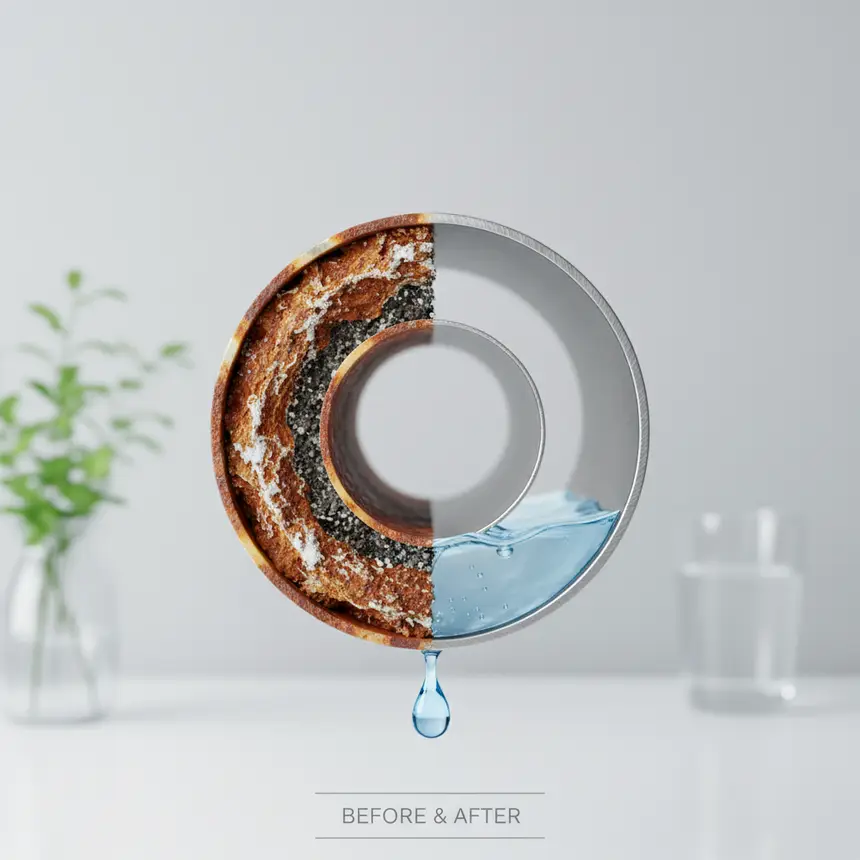
Your boiler might seem to be working fine, so why are your heating costs constantly climbing? A major reason is the buildup of sludge and debris inside your heating pipes. Over time, rust, mineral deposits, and other sediments accumulate within these crucial pathways. This accumulation narrows the channels through which hot water flows, significantly impeding heat transfer to your floors or radiators. Much like clogged arteries, a constricted piping system forces your boiler to work harder, consuming more energy to circulate water, which directly translates to higher gas bills. Homes or apartments over a decade old are particularly susceptible to this issue. If you notice certain rooms are consistently colder or your heating runs for extended periods without adequately warming your space, it’s a strong indicator that your pipe system needs attention.
※ This post contains affiliate links. I may earn a commission at no extra cost to you.

H2. Smart Strategies to Optimize Your Heating System's Performance
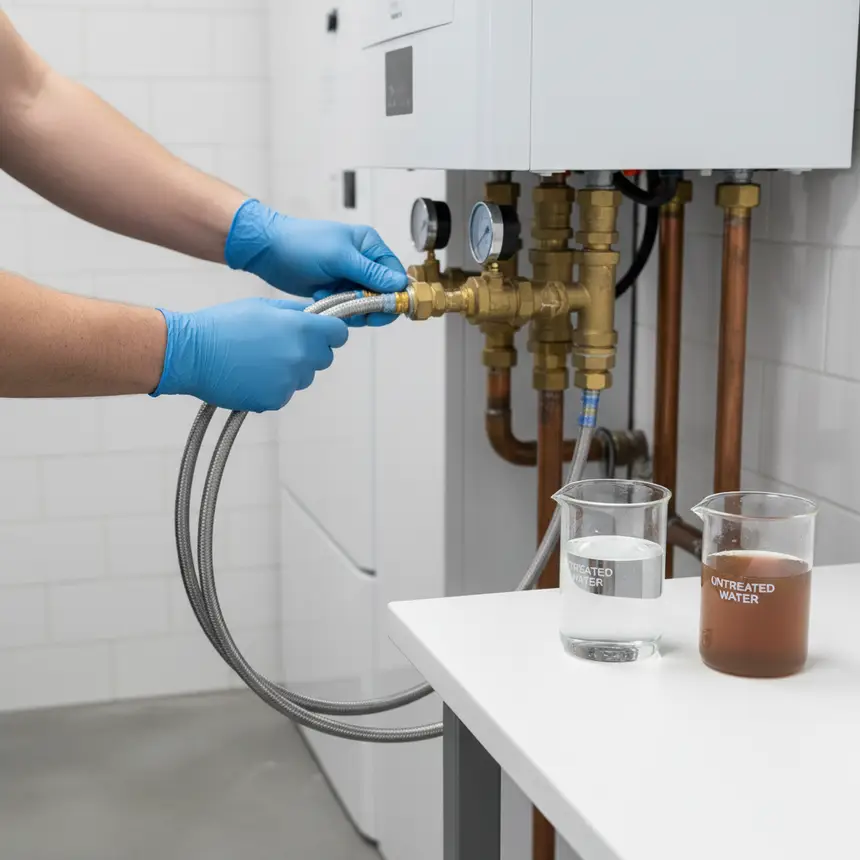
One of the most effective ways to reduce your gas bill is to improve the internal condition of your boiler pipes. Professional pipe circulation cleaning involves disconnecting the pipes, attaching specialized equipment, and flushing out accumulated debris with water and cleaning solutions. This process clears the pathways, allowing heating water to flow freely and significantly boosting heat transfer efficiency. You can often see the stark difference in water color before and after cleaning, indicating the amount of gunk removed. Furthermore, if your boiler itself is past its prime (e.g., an older model that’s 15+ years old), considering an upgrade to a newer, energy-efficient model can be a wise long-term investment. Proactive maintenance, while incurring an initial cost, generally leads to substantial gas bill savings over time.
H2. Practical Tips for Single Dwellers to Slash Heating Costs
Here are actionable steps single dwellers can take to save on heating:
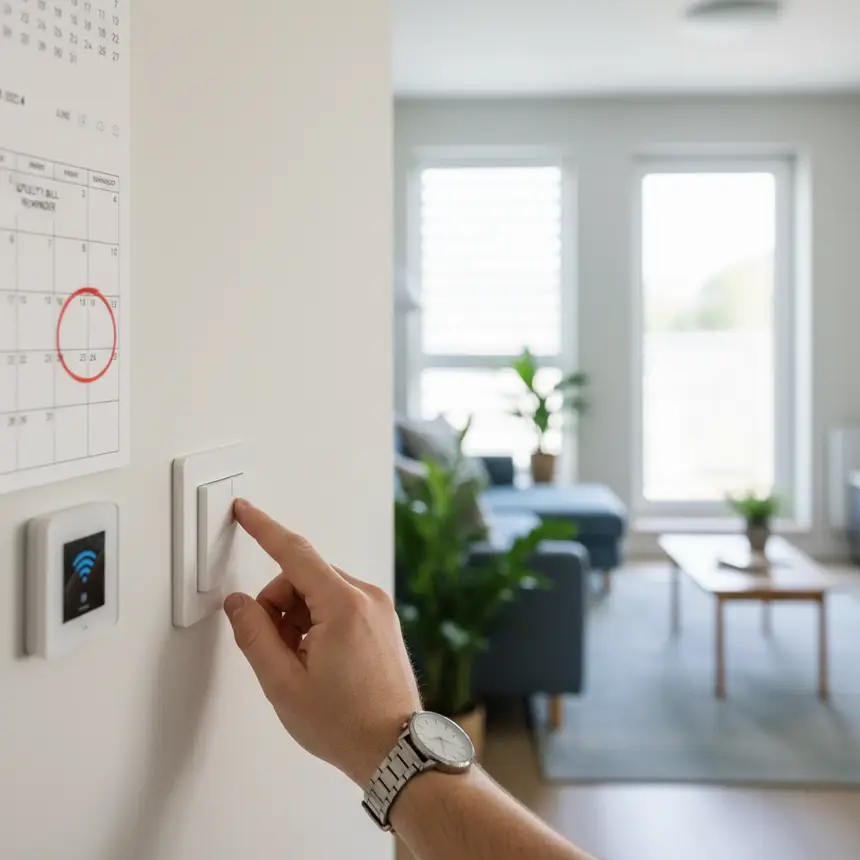
- Smart Thermostat Habits: Maintain a comfortable indoor temperature, typically between 68-72°F (20-22°C). Use an 'away' mode or set a lower temperature when you leave to avoid unnecessary energy waste. Extreme temperature fluctuations can actually consume more energy.
- Zone Heating: Use electric blankets or small space heaters for localized warmth in specific areas, rather than heating your entire living space, especially in a small apartment.
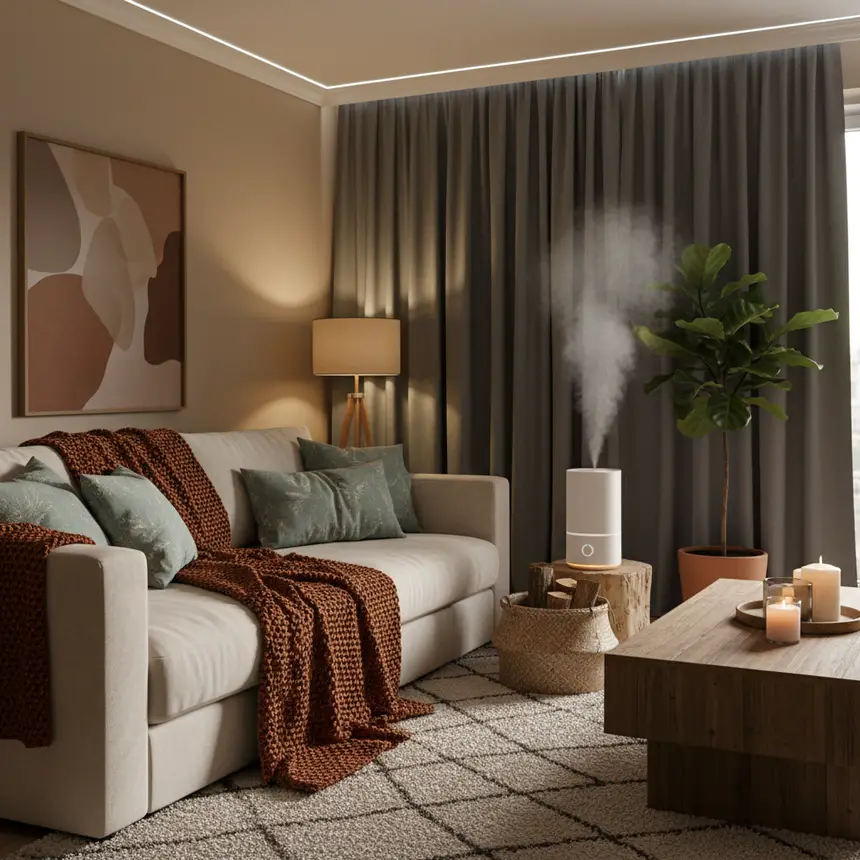
- Improve Insulation: Apply window film or weatherstripping to windows and door frames to prevent cold drafts. Utilizing heavy curtains or blinds can also effectively trap heat inside.
- Utilize Humidifiers: Maintaining optimal indoor humidity can make a room feel warmer at a lower temperature, allowing you to turn down your thermostat slightly.
- Regular Maintenance: Clean your boiler's filters regularly and schedule professional check-ups to extend its lifespan and maintain efficiency. If you suspect severe heating inefficiency, consulting a professional about boiler pipe cleaning is a smart move.
H2. Embrace Smart Energy Management for a Cozier Single Living Experience
Heating costs can be a significant burden for single dwellers during winter, but with smart management and minor adjustments to daily habits, substantial savings are within reach. Paying attention to less visible aspects, like boiler pipe maintenance, not only cuts expenses but also contributes to a more comfortable and healthier living environment. Even if professional help isn't immediately needed, regularly assessing your heating system and implementing simple insulation improvements are crucial first steps. By applying these tips, you can look forward to a warm and inviting living space this winter, free from constant worry about utility bills. Small efforts can indeed lead to significant positive changes.
Frequently Asked Questions
Q. How often should boiler pipes be cleaned?
A. It's generally recommended every 3 to 5 years. However, if you notice a significant drop in heating efficiency or cold spots in your home, it's wise to get them checked sooner.
Q. How much can I save on gas bills by cleaning boiler pipes?
A. Savings vary depending on the level of pipe contamination, but you can typically expect a 10-30% reduction in heating costs due to improved thermal efficiency and reduced boiler operation time.
Q. Are there DIY tips for single dwellers to save on heating costs?
A. Absolutely! Maintain an optimal indoor temperature (68-72°F), use 'away' mode when out, seal drafts with weatherstripping, use curtains or blinds, and maintain indoor humidity with a humidifier.
Q. Should I replace my old boiler?
A. Boilers typically last 10-15 years. If yours is older than 15 years, it likely operates with significantly reduced energy efficiency, leading to higher bills. Consulting a professional about replacement might be beneficial in the long run.
Q. What should I consider when hiring for boiler pipe cleaning?
A. Choose experienced professionals who offer thorough diagnostics (e.g., using thermal cameras) and confirm temperature differences post-cleaning. Always clarify the scope of service and pricing upfront.