Tired of that unpleasant smell and mold from your apartment AC? Discover the causes of internal contamination and practical routines to restore cool, clean indoor air.

The Sneaky Summer Guest: AC Odor and Mold in Your Apartment
For many living in small apartments, the air conditioner is a summer savior. Yet, the relief can quickly turn into discomfort when a persistent, musty smell begins to fill the room. It’s easy to dismiss it at first, thinking a little ventilation will solve the problem. However, over time, that odor might linger, making your space feel damp and less cool than it should be. This common issue often stems from habits we unknowingly adopt that accelerate internal AC contamination. A prime example is turning off your unit immediately after use. This traps moisture inside, creating a damp, dark environment where dust can settle and mold thrives. Understanding the root cause of these AC odors is the first step toward maintaining healthy indoor air quality.
Beyond the Surface: Understanding Internal AC Pollution
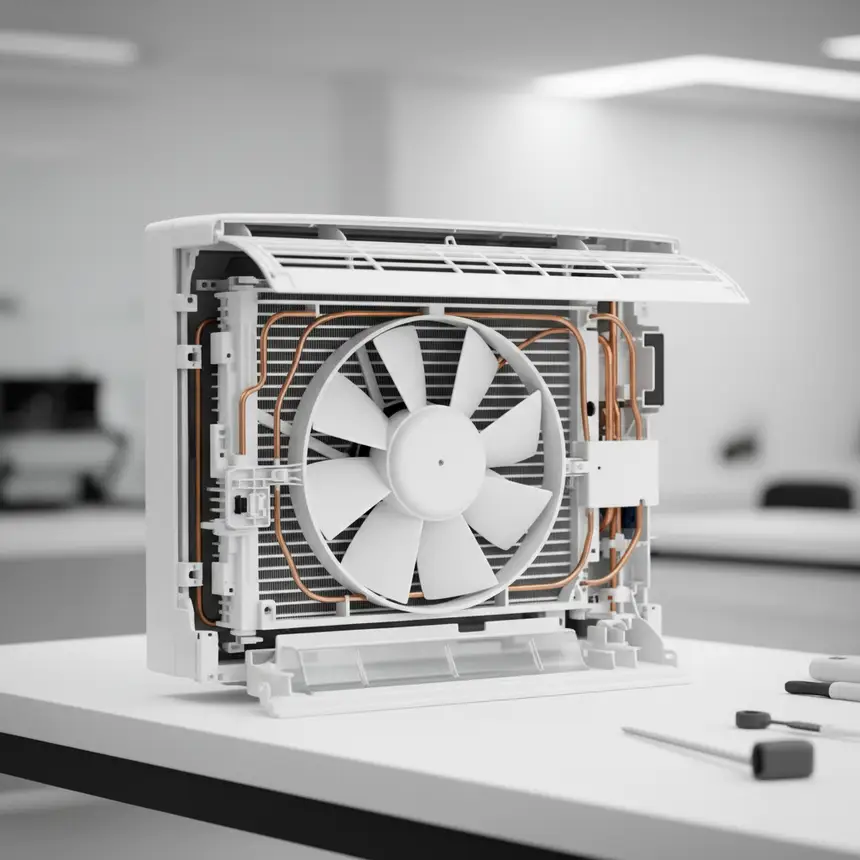
Air conditioners cool a space by extracting heat and moisture from the air. This essential process naturally leads to condensation forming inside the unit. When this moisture combines with dust particles drawn in from the room, it creates an ideal breeding ground for mold and bacteria. Components like cooling coils and fan blades, with their intricate designs, are particularly prone to accumulating this damp dust. So, even if the exterior of your AC unit appears spotless, the interior could be harboring a hidden ecosystem of contaminants. Many believe regular filter cleaning is sufficient, but filters primarily catch larger particles; they can't address the microscopic mold and bacteria deep within the system. Neglecting this internal buildup can lead to unpleasant smells, poor air quality affecting respiratory health, and reduced cooling efficiency, potentially increasing your energy bills.
※ This post contains affiliate links. I may earn a commission at no extra cost to you.

Your Practical Guide to a Fresher AC and Healthier Home
Even with a busy apartment lifestyle, maintaining a clean air conditioner is simpler than you might think. A few consistent habits can make a significant difference:
- The 10-Minute Fan Trick: Before you completely switch off your AC, run it on fan-only mode for about 10-15 minutes. This simple action helps to dry out any residual moisture inside the unit, drastically reducing the chances of mold growth.
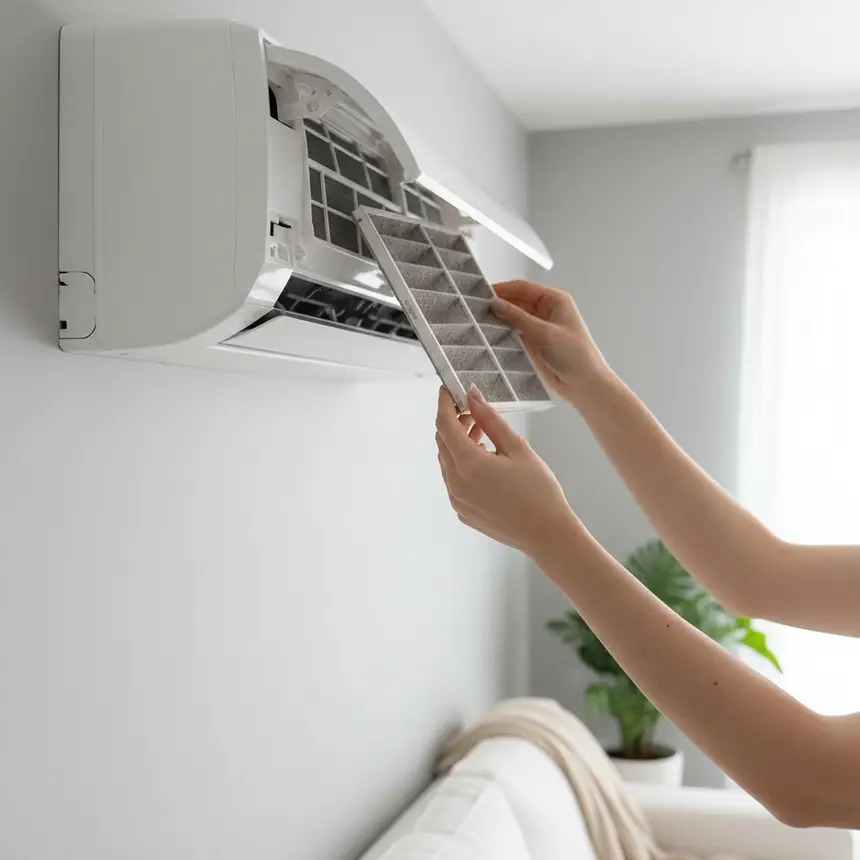
- Regular Filter Maintenance: Make it a habit to remove and clean your AC filters every 2 to 4 weeks. Rinse them thoroughly under running water, then allow them to air dry completely in a shaded spot before reinstalling. Clean filters ensure better airflow and prevent dust accumulation.
- Knowing When to Call for a Deep Clean: If despite your efforts, the musty odors persist or your AC's cooling power diminishes, it might be time for a professional deep clean. Superficial cleaning only addresses the visible parts. A professional service will fully disassemble the unit to thoroughly clean the coils, fan, and drainage system, tackling the problem at its source. Investing in a proper deep clean is often more cost-effective in the long run than repeatedly attempting quick, less effective fixes.
A Breath of Fresh Air: Elevating Your Apartment Living Experience
Paying a little attention to your air conditioner's maintenance can dramatically improve your indoor air quality and overall living environment. Imagine walking into your apartment not to a stuffy, musty odor, but to crisp, clean air circulating from your AC unit. This transformation significantly enhances the comfort and enjoyment of your personal space. In smaller living areas, the quality of the air directly impacts your daily well-being. Therefore, AC maintenance goes beyond just cleaning an appliance; it's about actively cultivating a healthier, more pleasant sanctuary for yourself. While it might seem like a chore at times, consistent care will ensure your apartment remains a cool, fresh haven throughout the hot months, a choice you'll be glad you made.
Frequently Asked Questions
Q. Why does my AC unit produce a musty smell?
A. Musty smells typically arise from mold and bacteria growth inside your AC. This happens when moisture, naturally created during the cooling process, combines with dust particles, creating an ideal environment for these microorganisms to thrive. Turning off your AC immediately after use can leave moisture trapped, worsening the issue.
Q. How often should I clean my AC filters?
A. It's generally recommended to clean your AC filters every 2 to 4 weeks. You should remove them, rinse thoroughly with water, and let them air dry completely before putting them back. The frequency might vary based on usage and the dust level in your environment.
Q. Do I always need a professional for AC internal cleaning?
A. While you can clean filters yourself, if persistent odors or reduced cooling efficiency occur, it often indicates deeper contamination on coils or fan blades. In such cases, professional help is advisable. They use specialized tools to fully dismantle and deep clean the unit's internal components, which isn't possible with regular household cleaning.
Q. I sneeze every time I turn on my AC. Is it related to air quality?
A. Yes, it's very likely. Mold, dust, and bacteria accumulated inside your AC can be blown into your room when the unit operates, triggering respiratory allergies or discomfort. Regular internal cleaning can significantly improve indoor air quality and alleviate such symptoms.