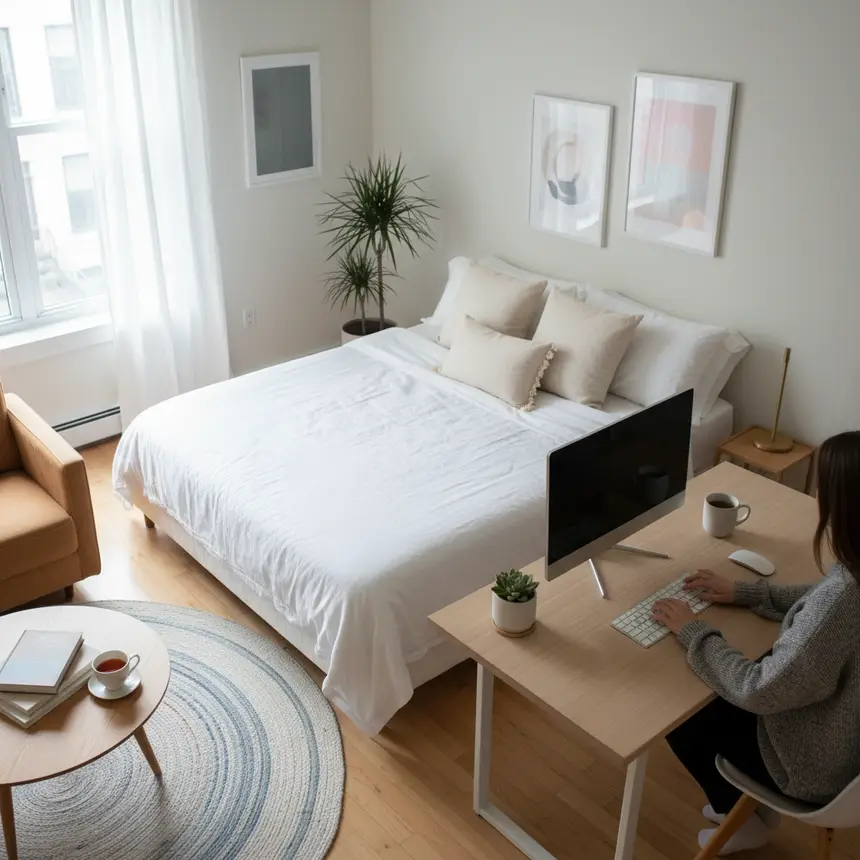
Don't let busy solo life compromise your healthy eating. Discover practical tips for easy meal prep and efficient home management, saving you time and energy. From realistic cooking strategies to smart kitchen habits, unlock the secrets to a well-managed solo lifestyle.

H2. Realistic Cooking Approaches for Your Solo Journey
Living alone often comes with its own set of challenges, especially when it comes to meal preparation. The thought of cooking after a long day can feel daunting, leading many to rely on takeout or instant meals. However, cooking doesn't have to be complicated or time-consuming. The secret lies in adopting a practical mindset and embracing simplicity. Instead of striving for gourmet dishes, focus on creating nourishing, easy-to-make meals using ingredients you already have. Approaching cooking with a relaxed attitude, rather than seeking perfection, can significantly lower the mental barrier to getting into the kitchen. Start with forgiving recipes that use basic pantry staples. This approach not only reduces the fear of failure but also encourages a consistent cooking habit. The goal isn't to become a master chef overnight, but to consistently enjoy healthy, home-cooked meals tailored to your solo lifestyle.

H2. Smart Strategies for Efficient Home & Kitchen Management
Efficiently managing your kitchen and home is key to maintaining a healthy and balanced solo life. By implementing a few smart strategies, you can save valuable time and energy.
- Streamline Ingredients and Embrace Versatility: Focus on stocking versatile, common ingredients like onions, garlic, and basic seasonings. This approach allows you to create a variety of meals without needing extensive grocery runs. Get creative with leftover vegetables by incorporating them into stir-fries, stews, or omelets, which helps reduce food waste and saves money. For instance, when making a broth-based dish, using about 1.5 liters of water with roughly three tablespoons of a flavorful paste can create a rich base.
- Choose Multi-Purpose Cooking Tools: Less is often more in a solo kitchen. Opt for versatile tools that can perform multiple functions, such as a large pot or a single skillet that can handle frying, boiling, and steaming. Prioritize items that are easy to clean, as this significantly contributes to maintaining a consistent cooking routine and reduces cleanup fatigue.
- Master Cooking Times and Batch Preparation: For dishes involving simmering or braising, allowing at least 40 minutes of cooking time often ensures ingredients are tender and flavors are fully developed. Consider 'batch cooking,' where you prepare larger quantities (e.g., 1 kg of protein) that can be portioned out and enjoyed over several days. This method drastically cuts down on daily cooking efforts, ensuring you have healthy meals ready even on your busiest days.
※ This post contains affiliate links. I may earn a commission at no extra cost to you.


H2. The Transformative Power of Small Habits
Integrating efficient meal preparation and home management habits into your daily life can do more than just save time; it can profoundly enhance your overall well-being. These subtle shifts can bring significant positive changes to your routine.
- Boosted Self-Esteem and Enjoyment: There's a unique sense of accomplishment that comes from preparing your own meals and maintaining an organized living space. This contributes to reducing stress and injecting positive energy into your day. Cooking while listening to your favorite music can even become a cherished moment of self-care and relaxation.
- Discovering Your Culinary Style: While you might start by following recipes, you'll gradually find joy in experimenting with ingredients and seasonings to suit your taste. You might discover that certain spices aren't always necessary, or that a tiny addition, like a drop of sesame oil or a sprinkle of fresh herbs, can elevate a simple dish. This process not only hones your cooking skills but also empowers you to create a personalized, healthy, and delicious diet.
- The Cumulative Effect of Consistency: Becoming a proficient solo liver isn't about achieving perfection from day one. It's about consistency. Making a conscious effort to cook and tidy up a few times a week, even in small ways, is what truly matters. These consistent, small efforts accumulate over time, leading to a healthier body and mind, and ultimately, a more stable and satisfying solo living experience.
Frequently Asked Questions
Q. What's the most important tip for someone new to solo cooking?
A. Focus on consistency over perfection. Start with simple, low-risk recipes and be flexible with ingredients you already have. Building small successes will boost your confidence to keep cooking.
Q. How can I cook without wasting ingredients?
A. Avoid over-buying by planning meals for a few days. Incorporate 'clean-out-the-fridge' meals like stir-fries or stews into your weekly plan to use up leftover vegetables and perishable items.
Q. What minimal cooking tools are essential for efficient cooking?
A. A single large multi-purpose pot, one good skillet, a knife, and a cutting board are typically sufficient. Choose options that are easy to clean, like stainless steel or non-stick, to simplify post-meal chores.
Q. How can busy solo dwellers maintain a healthy eating routine?
A. Embrace 'batch cooking' on weekends or days with more free time. Prepare larger portions of main dishes or sides, then portion and store them in the fridge or freezer for quick, healthy meals throughout the week.
Q. What helps make cooking more enjoyable?
A. Don't expect culinary perfection immediately. Instead, enjoy the process of experimenting with ingredients and seasonings to find what you like. Small successes and personalized touches can make cooking a truly rewarding experience.