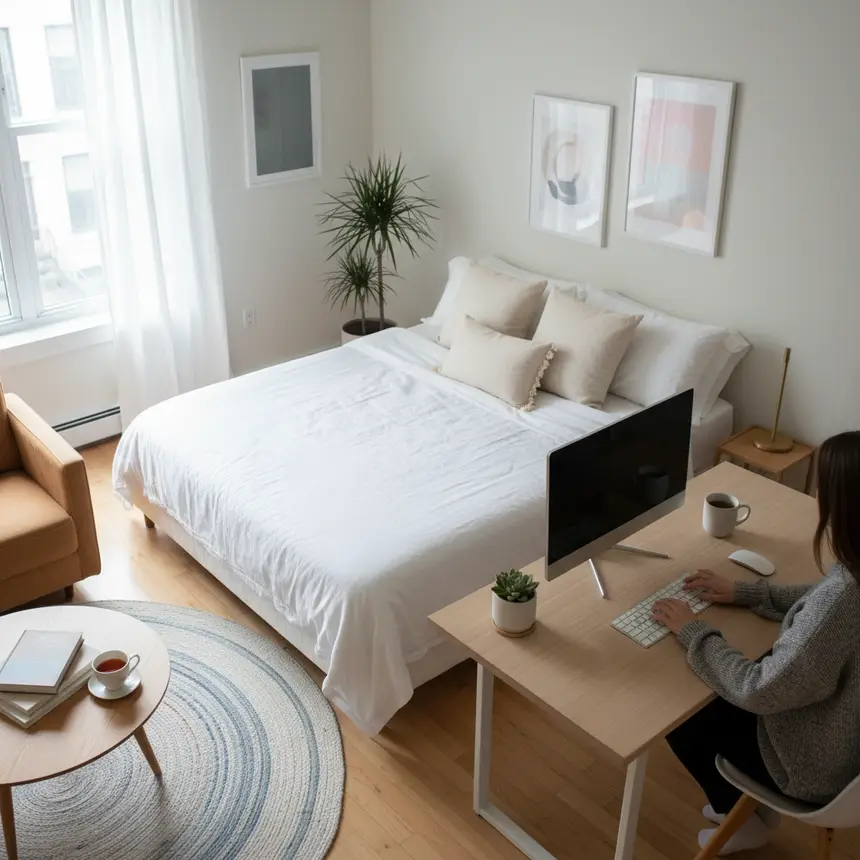
Winter heating bills can be a significant burden, especially for those living alone. Discover practical daily habits and efficient heating management tips to enjoy a warm and budget-friendly winter in your solo living space.

Why Winter Heating is a Unique Challenge for Solo Renters
For many living alone, winter often brings a recurring worry: heating bills. It's a particularly common concern for those in older apartments or small studios, where despite best efforts, heating costs can feel overwhelmingly high. This challenge stems from a combination of factors, primarily the building's inherent insulation limitations.
Rooms with large windows or extended balcony areas are especially vulnerable to external cold. Temperatures can drop dramatically, often dipping to 13-16°C after just a brief window opening for ventilation. Reheating these spaces by just one degree can take one to two hours of active heating, highlighting the need for efficient management.
Furthermore, individual lifestyle choices significantly impact heating expenses. Habits related to hot water use and overall heating approaches can cause considerable fluctuations in monthly bills. Therefore, beyond just boosting heating efficiency, it's crucial to evaluate and adjust daily routines. A smart, proactive approach is essential for a comfortable and budget-friendly winter, rather than simply turning up the thermostat.
Rooms with large windows or extended balcony areas are especially vulnerable to external cold. Temperatures can drop dramatically, often dipping to 13-16°C after just a brief window opening for ventilation. Reheating these spaces by just one degree can take one to two hours of active heating, highlighting the need for efficient management.
Furthermore, individual lifestyle choices significantly impact heating expenses. Habits related to hot water use and overall heating approaches can cause considerable fluctuations in monthly bills. Therefore, beyond just boosting heating efficiency, it's crucial to evaluate and adjust daily routines. A smart, proactive approach is essential for a comfortable and budget-friendly winter, rather than simply turning up the thermostat.

Mastering Your Home's Climate: Smart Energy Management
To alleviate the burden of winter heating bills, strategic energy management is crucial. The goal isn't just to rely less on heating appliances, but to maximize energy efficiency through improved daily habits and smart space utilization.
Complementary Heating: A Strategic Approach
Reducing dependence on central heating (like a boiler or furnace) is a key first step. Utilizing personal heating devices, such as an electric blanket, allows you to target warmth to your immediate vicinity. For instance, using a heated pad when relaxing in bed or working at your desk can significantly reduce the need for whole-room heating. You can set your central heating to a lower minimum temperature or activate it only during specific hours. Even with conscious efforts, like a 16% reduction in energy usage compared to the previous year, utility bills can still remain substantial. This demonstrates that more than just cutting back on central heating, a multifaceted strategy is necessary.
Habit Adjustments for Lower Bills
Heating costs aren't solely determined by how much you run your furnace; hot water consumption also plays a significant role. Daily hot baths or frequent hot water laundry can lead to surprisingly high utility bills. Consider reducing shower times and opting for cold water cycles for your laundry whenever possible.
Effective ventilation habits are also vital. Prolonged window opening in cold weather leads to a rapid drop in indoor temperature, requiring substantial energy to bring it back up. Instead, ventilate briefly and intensely, for about 10-15 minutes, once or twice a day. To prevent drafts, seal window and door gaps with weather stripping or draft stoppers. Installing thick thermal curtains can also considerably help in maintaining stable indoor temperatures. These small adjustments collectively contribute to a warmer and more economical winter.
Complementary Heating: A Strategic Approach
Reducing dependence on central heating (like a boiler or furnace) is a key first step. Utilizing personal heating devices, such as an electric blanket, allows you to target warmth to your immediate vicinity. For instance, using a heated pad when relaxing in bed or working at your desk can significantly reduce the need for whole-room heating. You can set your central heating to a lower minimum temperature or activate it only during specific hours. Even with conscious efforts, like a 16% reduction in energy usage compared to the previous year, utility bills can still remain substantial. This demonstrates that more than just cutting back on central heating, a multifaceted strategy is necessary.
Habit Adjustments for Lower Bills
Heating costs aren't solely determined by how much you run your furnace; hot water consumption also plays a significant role. Daily hot baths or frequent hot water laundry can lead to surprisingly high utility bills. Consider reducing shower times and opting for cold water cycles for your laundry whenever possible.
Effective ventilation habits are also vital. Prolonged window opening in cold weather leads to a rapid drop in indoor temperature, requiring substantial energy to bring it back up. Instead, ventilate briefly and intensely, for about 10-15 minutes, once or twice a day. To prevent drafts, seal window and door gaps with weather stripping or draft stoppers. Installing thick thermal curtains can also considerably help in maintaining stable indoor temperatures. These small adjustments collectively contribute to a warmer and more economical winter.
※ This post contains affiliate links. I may earn a commission at no extra cost to you.


Sustainable Warmth: Transforming Your Solo Living Experience
Implementing the heating management tips outlined above can bring about numerous positive changes, far beyond mere cost savings. The most immediate benefit you'll notice is financial relief. By setting a goal, for instance, to keep your monthly heating bill within a certain budget, and consistently practicing these small habits, you can navigate winter without budget overruns.
Furthermore, your living environment's comfort level will improve significantly. Instead of blasting the heat when it's cold, you'll learn to maintain an optimal indoor temperature while blocking drafts and conserving warmth. This creates a naturally comfortable space, free from the excessive dryness or stuffiness often associated with aggressive heating. Much like how a room with an attached balcony might self-regulate to 19°C without the heater on, simply focusing on insulation can yield substantial effects.
These practices will, in the long run, heighten your awareness of energy consumption and help establish a more sustainable lifestyle. Winter heating bills will transform from a daunting task into a manageable aspect of daily life, efficiently handled through smart living management. You'll cultivate a warm, healthy winter and, by extension, a more economical solo living experience.
Furthermore, your living environment's comfort level will improve significantly. Instead of blasting the heat when it's cold, you'll learn to maintain an optimal indoor temperature while blocking drafts and conserving warmth. This creates a naturally comfortable space, free from the excessive dryness or stuffiness often associated with aggressive heating. Much like how a room with an attached balcony might self-regulate to 19°C without the heater on, simply focusing on insulation can yield substantial effects.
These practices will, in the long run, heighten your awareness of energy consumption and help establish a more sustainable lifestyle. Winter heating bills will transform from a daunting task into a manageable aspect of daily life, efficiently handled through smart living management. You'll cultivate a warm, healthy winter and, by extension, a more economical solo living experience.
Frequently Asked Questions
Q. How can I efficiently maintain indoor temperatures while reducing heating costs?
A. Instead of setting your heating system too high, aim for a comfortable temperature (e.g., 20-22°C) and supplement with personal heating devices like electric blankets and warm throws to boost your perceived warmth. Prioritizing draft sealing and insulation is also key.
Q. Are there practical ways to improve insulation in an older rental apartment?
A. Yes, sealing window and door gaps with weather stripping is effective. Attaching bubble wrap (insulation film) to windows can also help. Installing thick blackout or thermal curtains significantly aids in blocking drafts.
Q. Does frequent hot water use impact my heating bill?
A. Absolutely, hot water consumption directly affects your gas heating bill. Shortening shower times and using cold water for dishwashing or laundry can help reduce hot water usage, contributing to lower heating expenses.
Q. Ventilation is necessary, but I'm concerned about indoor temperatures dropping too much. Any good tips?
A. In colder seasons, ventilate briefly and intensely for about 10-15 minutes, once or twice a day. Opening all windows simultaneously for a short period allows for quick air exchange, minimizing the overall drop in indoor temperature while refreshing the air.
Q. Can using an electric blanket significantly reduce heating costs?
A. An electric blanket is highly efficient for warming specific areas, like your bed. Strategically using it to reduce your reliance on central heating can lead to considerable savings. However, prolonged use will incur electricity costs, so finding a balanced approach is important.