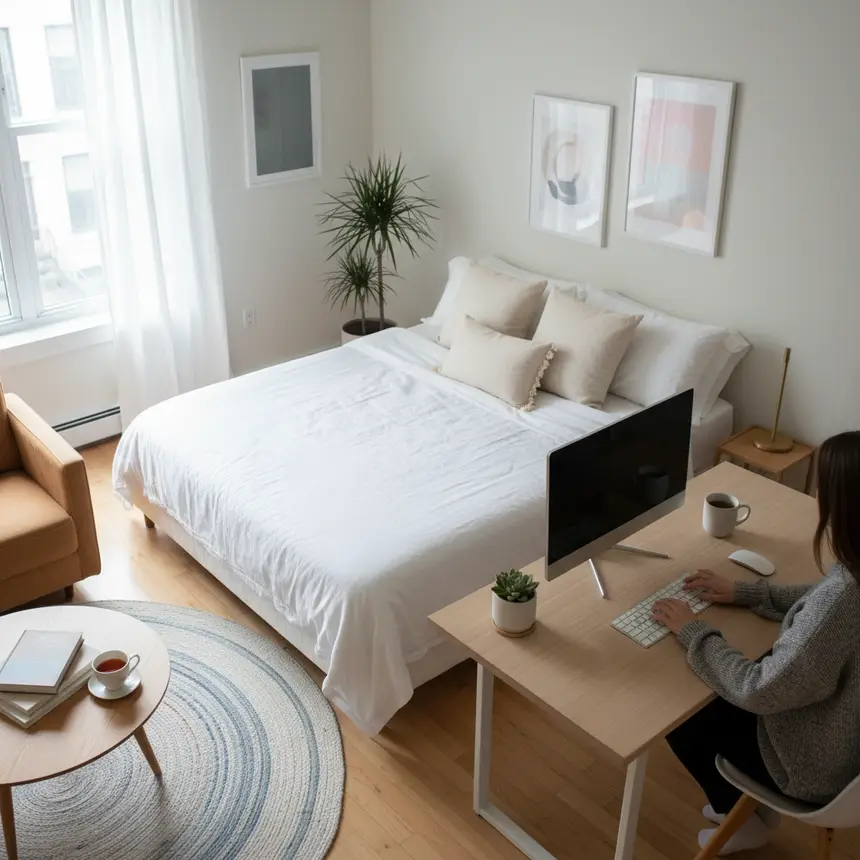
Discover smart spending habits for independent living. Learn effective strategies for planned purchases and thoughtful financial management to efficiently save on living expenses.

Navigating the Financial Maze: Why Smart Spending is a Challenge for New Renters
Embarking on independent living often brings a surprising revelation about expenses. Beyond rent, groceries, and transportation, the endless stream of items needed for daily life can quickly drain your bank account. While online shopping offers unparalleled convenience, it can also lead to impulsive and unnecessary purchases. Cultivating wise spending habits and making deliberate purchases are crucial for enhancing your quality of life as an independent renter. This guide will explore effective strategies for managing your finances, reducing cost burdens, and fostering mindful consumption for a more comfortable and fulfilling independent lifestyle.

Essential Information Strategies for Savvy Consumption
Effective money management for renters hinges on thorough research and planning before any purchase. It's about more than just finding the cheapest option; it’s about understanding value and making informed choices.
- 1. The Value of Timing and Research: Many retailers offer significant discounts during specific periods, such as year-end sales, holiday promotions, or seasonal clearances. By planning your purchases around these times, you can often acquire necessary items at a more favorable price. Researching typical discount cycles for items you need and comparing prices across various platforms is a smart move.
- 2. Maximizing Savings Through Additional Benefits: Online stores frequently provide introductory offers for new sign-ups or discount codes for purchases exceeding a certain amount. Make it a habit to check for these benefits before completing a transaction to reduce your overall expenditure. Also, explore any loyalty programs or partnerships your credit cards or service providers might offer.
- 3. Learning from Others' Experiences: Before buying, reviewing feedback from other consumers is incredibly helpful. Look beyond just positive comments; pay attention to criticisms and examine real-world photos or detailed usage experiences. This allows you to gain a balanced perspective on the product's pros and cons, leading to a more confident purchasing decision.
※ This post contains affiliate links. I may earn a commission at no extra cost to you.


Cultivating Daily Routines for Frugal Living
Intentional spending isn't just for major buys; it begins with small, consistent habits. Implement these daily routines to effectively manage your living expenses.
- 1. Developing a Sense for Purchase Timing: Utilizing tools that track price fluctuations for specific items can help you determine if now is the opportune moment to buy. For non-urgent items, you might wait for a price drop or purchase proactively before an anticipated increase. This information can also help predict stock clearances or end-of-season sales.
- 2. A Checklist to Prevent Unexpected Costs: When buying online, remember that additional charges like shipping fees, return costs, or even customs duties can apply. This is especially true for international purchases, where unforeseen expenses can be substantial. Always make it a habit to review the retailer's shipping and return policies before completing your order to avoid unwelcome surprises.
- 3. Personal Rules to Curb Impulse Buying: When you find an item you like, consider adding it to your cart but wait a day or two before buying. Use this time to reflect: Is this truly a necessity? Are there viable alternatives? Will I regret this purchase later? This practice prevents clutter and ensures your money goes toward items that genuinely enhance your independent life.

Making Sustainable Choices for a Fulfilling Independent Life
Smart spending goes beyond saving money; it significantly enhances the overall quality of independent living and contributes to a sustainable lifestyle. Consider options that support resource circulation and environmental responsibility.
Instead of always buying new, exploring second-hand marketplaces can be an excellent way to acquire necessary items at a fraction of the cost. Well-maintained pre-owned goods not only offer substantial savings but also represent an eco-friendlier consumption choice by reducing waste. When engaging in second-hand transactions, always inspect the item's condition carefully and opt for secure payment methods. Through thorough preparation and a planned approach, you can achieve financial stability and a more satisfying daily life. May your smart spending habits enrich your journey of independent living.
Instead of always buying new, exploring second-hand marketplaces can be an excellent way to acquire necessary items at a fraction of the cost. Well-maintained pre-owned goods not only offer substantial savings but also represent an eco-friendlier consumption choice by reducing waste. When engaging in second-hand transactions, always inspect the item's condition carefully and opt for secure payment methods. Through thorough preparation and a planned approach, you can achieve financial stability and a more satisfying daily life. May your smart spending habits enrich your journey of independent living.
Frequently Asked Questions
Q. What's the first step for managing living expenses efficiently when starting independent life?
A. The most crucial first step is to create a budget by identifying both fixed and variable expenses. Make a list of necessary items, compare prices online and offline, and establish a reasonable purchasing plan.
Q. What information should I check first when buying items online?
A. Beyond the product details, prioritize checking shipping fees, return and exchange policies, and real user reviews. This is essential for avoiding unexpected costs and ensuring a satisfactory purchase.
Q. What habits can help reduce impulse buying?
A. An effective strategy is to implement a personal rule, like the '24-hour rule,' where you add an item to your cart but wait a day or two before deciding to purchase, allowing time for reflection.
Q. What precautions should I take when buying second-hand items?
A. When buying second-hand, communicate thoroughly with the seller to ascertain the item's actual condition. It's best to meet in person for exchanges or use secure payment systems offered by reputable platforms. Also, consider the risk of damage during shipping.
Q. How much can I save by timing my purchases during specific sale periods?
A. Taking advantage of specific sale periods can result in significant savings, often 10% to 30% or more, compared to regular prices. If an item isn't urgently needed, planning your purchase around these times can greatly reduce your expenses.