Discover practical strategies for managing loneliness while living alone. Learn how to transform your space, enrich your daily routine, and build resilience in your independent life.

The Unspoken Side of Independent Living
For many who once cherished their solitude at home, embarking on independent living often brings an unexpected wave of emotions. What begins as an exciting venture into personal freedom can sometimes evolve into a profound sense of emptiness, a feeling akin to a tree uprooted and swaying precariously. While others may see the allure of a private sanctuary, the reality of spending countless hours alone can foster a deep-seated loneliness living alone. This sensation is particularly amplified during periods of professional or personal uncertainty, pressing down heavily on one's spirit. It can be challenging to confide in busy friends or family, especially when met with comments like, "Isn't it great to live by yourself?" However, rather than seeing this loneliness as something to merely avoid, it can be viewed as an invitation to understand and nurture oneself more deeply. It's an opportunity to build firm roots within your own living space, forging a stronger sense of self.

Small Actions, Big Shifts: Rekindling Your Daily Spark
When the depths of loneliness bring on a sense of inertia, actively moving your body can be a powerful antidote to a stagnant mind. Instead of waiting for a shift in mood, take the initiative to engage in simple physical activities. This could mean signing up for a local fitness class, taking a brisk walk around your neighborhood, or even just stretching at home. You'll likely find that even minimal movement helps to circulate blocked energy and lift your spirits. Creating an auditory landscape with your favorite music is another excellent strategy. Silence can sometimes amplify feelings of isolation and loneliness living alone, whereas background tunes can dramatically alter the ambiance and inject vitality into your space. During times when it's easy to neglect meals, prioritizing simple, nutritious eating habits becomes even more crucial. Swapping out quick frozen meals for fresh, easy-to-prepare dishes can provide a surprising sense of accomplishment and contribute significantly to your overall well-being. These small, consistent efforts directed at your physical self invariably ripple out, boosting your mental and emotional resilience.
※ This post contains affiliate links. I may earn a commission at no extra cost to you.


Cultivating Your Space and Self Through Daily Rituals
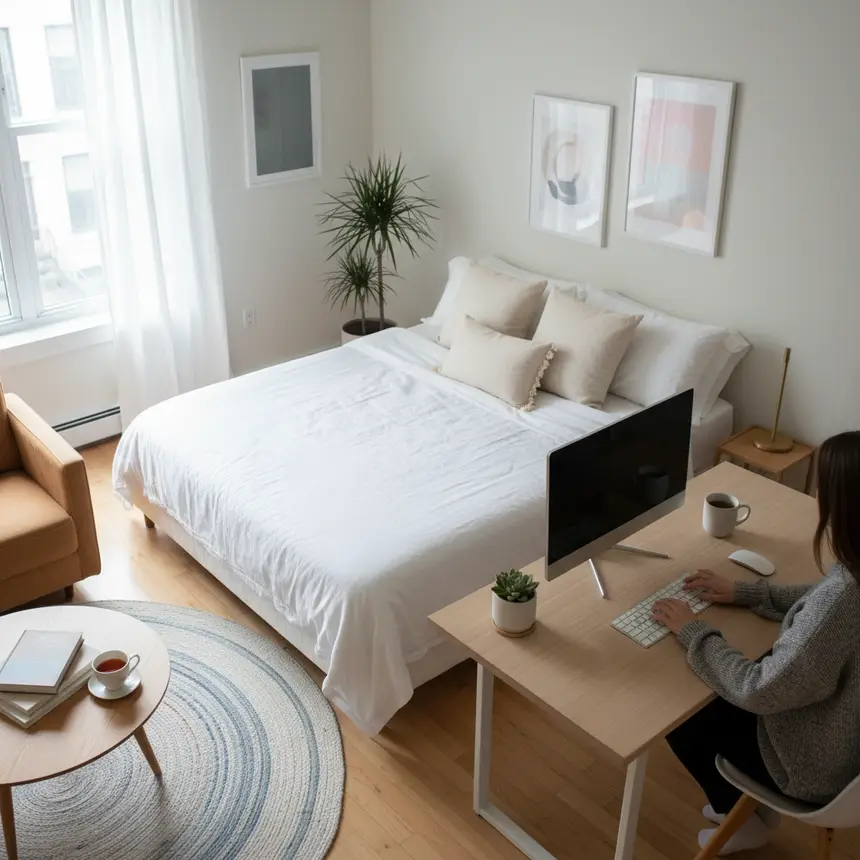
Engaging in the mindful upkeep of your living space can foster a profound sense of psychological well-being, acting as a powerful tool against loneliness living alone. Begin your day with simple rituals: making your bed and opening a window to let in fresh air. These seemingly minor habits create a refreshing start to your day and cultivate a deeper appreciation for your home. Regular cleaning and decluttering are equally important. A disorganized environment can contribute to mental clutter, so even minimal tidying can bring a sense of calm. Consider dedicating just 15 minutes each evening to tidy a specific area, like the kitchen counter or living room. Furthermore, introducing a living plant into your home and tending to it can offer unique benefits. The act of caring for a non-verbal companion, even if it’s just a houseplant, can positively impact mental health and add a quiet vibrancy to your daily life. By consistently practicing these personal routines, your living space transforms from mere shelter into a supportive sanctuary that nurtures and uplifts you.

A Journey of Self-Discovery: Building Inner Strength
Experiencing loneliness living alone is a perfectly natural part of the journey, not a sign of weakness. What truly matters is how you choose to respond to these feelings by actively creating positive changes for yourself. Sometimes, stepping outside your comfort zone to explore new places or engaging in small acts of self-care—like getting a new haircut or indulging in a skincare routine—can provide an immense boost. When you look in the mirror and feel a renewed sense of satisfaction, it naturally elevates your self-esteem and invigorates your motivation to set new goals. Independent living offers countless opportunities for learning and personal growth. Through the process of navigating loneliness, you uncover your inner strengths and evolve into a more resilient individual. Your home can then transcend being just an empty space; it becomes a comforting haven where you can find solace and recharge. In this journey, you are not alone, and every effort you make to care for yourself will shine brightly.
Frequently Asked Questions
Q. What's the first thing I can try when feeling lonely while living alone?
A. To combat inertia, it's beneficial to start by simply moving your body. A short walk around your neighborhood or some light stretching can make a difference.
Q. Should I reach out to others when I'm feeling lonely?
A. Absolutely. Sharing your honest feelings with trusted friends or family can be very helpful, and seeking professional support is also a wise choice if needed.
Q. My apartment seems to amplify my loneliness. How can I change my space?
A. Regularly ventilating, cleaning, and decluttering your space can significantly enhance psychological comfort. Consider adding a small plant or filling your home with your favorite music.
Q. It's hard when people say living alone isn't lonely.
A. The perception of solo living often differs from the reality. It's important to acknowledge your own feelings and focus on consistent, small efforts to care for yourself.
Q. Any tips for finding renewed energy when daily life feels monotonous?
A. Try playing your favorite music, starting a simple exercise routine, or setting small, achievable goals (e.g., trying a new recipe) to gain a sense of accomplishment. Personal grooming can also be a great source of vitality.