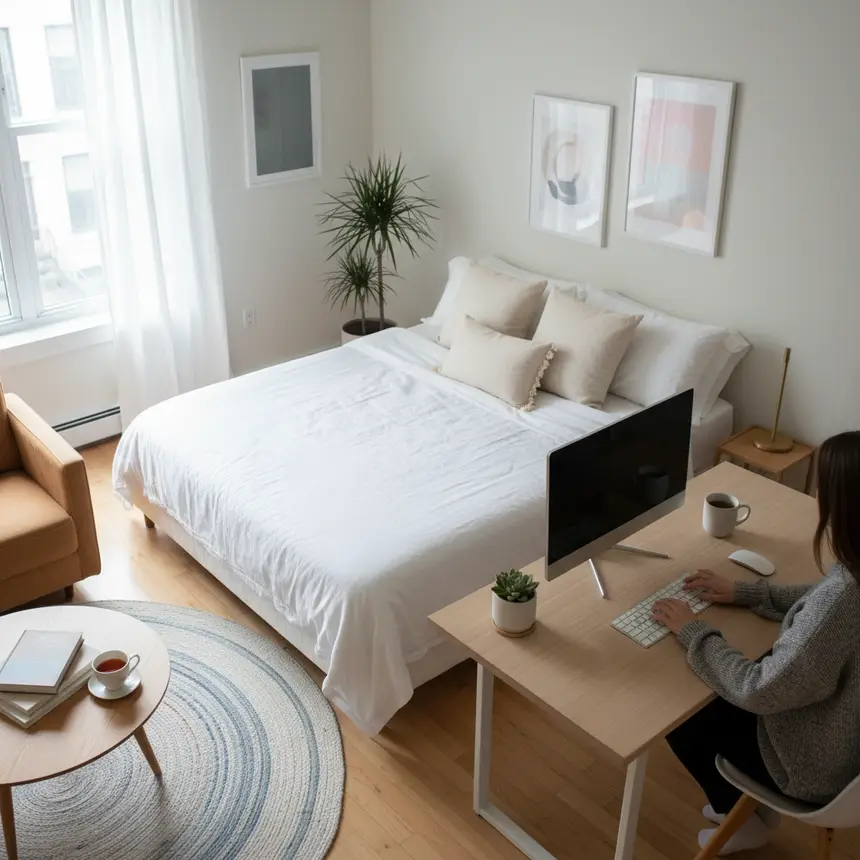
Are you struggling with humidity in your solo living space? Discover effective strategies for indoor moisture control to prevent dampness and mold. Transform your home into a fresh, healthy sanctuary.

Tired of Dampness? Reclaiming Your Cozy Corner from Stubborn Humidity
Living independently often brings a sense of freedom and personalized style. Yet, this ideal vision can quickly be challenged by an uninvited guest: humidity. Especially during rainy seasons or humid summers, a solo apartment can feel less like a sanctuary and more like a perpetually damp cave. This pervasive indoor moisture isn't just uncomfortable; it can lead to musty odors clinging to clothes, unsightly mold spots creeping up walls, and a general feeling of stickiness that makes relaxing difficult. The good news is, you don't have to live with it. Tackling apartment humidity is entirely achievable. Let's explore practical home moisture management techniques to create the fresh, healthy living space you deserve.

Unmasking the Culprits: Why Your Home Might Be a Humidity Hotspot
Why does home humidity often feel so relentless in smaller living spaces? Several factors contribute. Limited ventilation, a common issue in apartments, means moist air gets trapped easily. Indoor activities like cooking, showering, or drying laundry without proper air circulation significantly increase ambient humidity. When indoor humidity levels consistently climb above 70%, it creates an ideal breeding ground for bacteria and mold. This not only damages paint and furnishings but can also impact respiratory health. Furthermore, high humidity can attract pests during warmer months. Understanding these causes is the first step toward effective indoor moisture control and maintaining a healthier, more pleasant environment.
※ This post contains affiliate links. I may earn a commission at no extra cost to you.


Practical Strategies for Achieving Optimal Indoor Air Quality
Combatting high home humidity can be simplified with a few strategic approaches. One of the most impactful methods involves utilizing specialized moisture reduction devices. For instance, selecting a unit capable of removing over 20 liters of moisture per day can be effective for various room sizes, from a compact studio to a more spacious living area. Opting for models with generous water tank capacity also reduces the hassle of frequent emptying. Furthermore, consider devices with dedicated drying features for laundry or damp footwear, which prevents adding more moisture to your indoor air. Many modern units also incorporate self-cleaning functions or internal drying cycles, ensuring the appliance itself remains hygienic. Proactive indoor moisture control is key to a truly comfortable home.

Cultivating a Fresh Space: Your Daily Humidity Management Routine
Small, consistent habits are powerful tools in addressing apartment humidity. Here's a practical routine to keep your space fresh:
- Ventilate Daily: Open your windows for at least 10 minutes each morning and evening. Even on humid days, brief air circulation can improve indoor air quality and prevent stagnation.
- Smart Use of Dehumidifying Devices: On particularly damp days, actively run your moisture reduction appliance. Placing it near laundry drying areas, kitchens, or bathrooms, where humidity tends to be highest, maximizes its efficiency. Many models offer quiet modes, perfect for overnight use without disturbing sleep.
- Promptly Dry Wet Items: After showering, wipe down wet surfaces in the bathroom. Don't leave damp towels or wet umbrellas lying around; wash them promptly or hang them to dry in a well-ventilated spot.
- Regular Appliance Maintenance: If you use an appliance for moisture control, ensure its internal components, like fans or filters, are regularly inspected and cleaned. This not only boosts the device's efficiency but also contributes to better overall home moisture management and extends its lifespan.

Embrace a Healthier Solo Life: The Transformative Power of Moisture Control
Mastering indoor moisture control goes beyond simply eliminating dampness; it's an investment in your overall well-being and quality of life. Imagine waking up to fresh-smelling linens, stepping into a home free of musty odors, and no longer worrying about mold or humidity-related skin irritations. A light, airy atmosphere within your personal space can significantly enhance your mood, boost productivity, and make your home a genuinely restorative retreat. Effective home moisture management is no longer a luxury but a fundamental component of a healthy, vibrant solo living experience. Start implementing these simple changes today and discover the profound difference a truly dry, fresh home can make!
Frequently Asked Questions
Q. Why is humidity control important in summer?
A. During summer, high temperatures and humidity create an ideal environment for mold, bacteria, and pests to thrive. This can lead to health issues like allergies and respiratory problems, unpleasant odors, and damage to furniture, making effective humidity management crucial for a comfortable living space.
Q. What's the most effective way to use a dehumidifying device?
A. Dehumidifying devices work best in enclosed spaces. Keep windows closed and prioritize placing the device in areas with high moisture, such as bathrooms, kitchens, or laundry drying areas. Using it during the most humid times of the day or in a quiet mode overnight can also be very effective.
Q. What daily habits can reduce humidity in a small space?
A. In small spaces, ventilation is key. Air out your home for at least 10 minutes twice a day. After showering, close the bathroom door, run the exhaust fan, and wipe down wet surfaces. When drying laundry indoors, use a dehumidifying device or try to dry clothes in a separate, well-ventilated area.
Q. Do you have tips for preventing mold before it appears?
A. Mold thrives in warm, damp conditions, so maintaining indoor humidity between 50-60% is ideal. Regularly wipe down surfaces prone to condensation, especially windows and walls in winter. Also, pull furniture slightly away from walls to allow air circulation, which helps prevent moisture buildup.
Q. How can I reduce humidity when drying laundry indoors?
A. When drying laundry indoors, place a dehumidifying device near the drying rack to speed up drying and effectively reduce indoor humidity. Ensure sufficient space between clothing items and use a fan or circulator to improve air movement, which further aids in moisture removal.