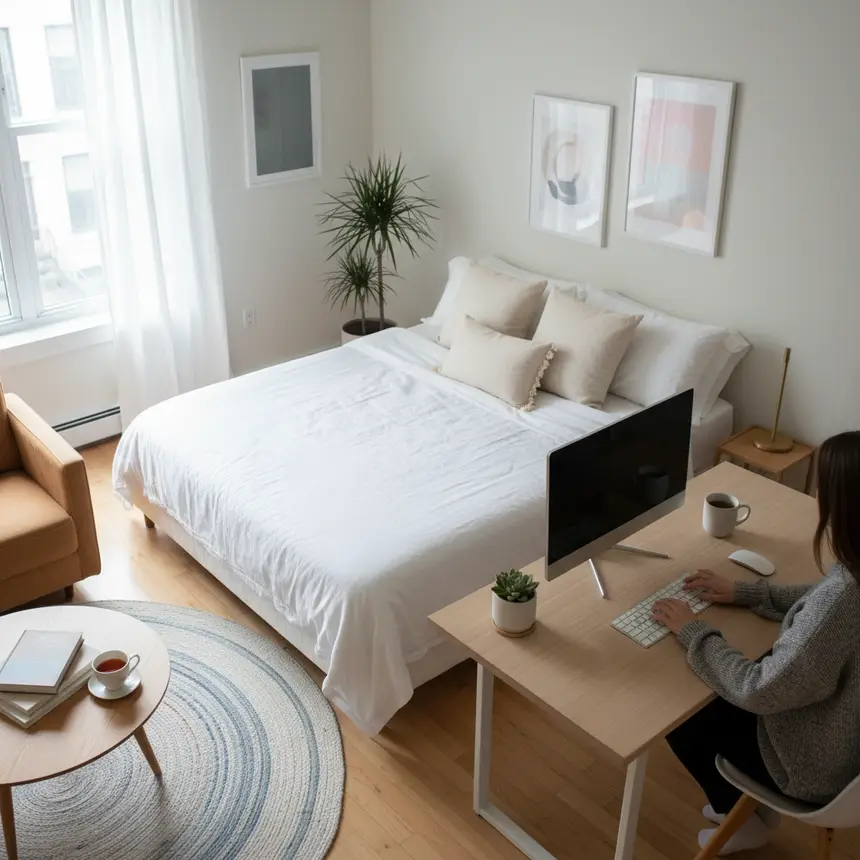
Tackle unpleasant odors in your apartment with practical strategies. Learn how to maintain a fresh and comfortable small living space, improving your daily life.

Small Spaces: The Art of Deliberate Management
For many dwellers, keeping a compact living space fresh is a familiar challenge. Unlike larger homes, a studio or small apartment is a concentrated environment where minor oversight quickly impacts air quality. Just as some ecosystems thrive in controlled settings, our small homes demand meticulous internal management. A fresh indoor environment boosts mental clarity and daily satisfaction. This isn't just about surface tidiness; it's understanding small-space dynamics and proactively tackling issues diminishing comfort.

Uncovering the True Sources of Everyday Odors
One relatable struggle in compact spaces is pervasive everyday odors. Food smells, damp bathrooms, or accumulated laundry are common factors, but most odors stem from environmental management. In smaller footprints, these elements concentrate, rapidly becoming distinct stenches. For instance, perishable waste left over 24 hours can emit strong ammonia-like odors, deteriorating air quality. Damp towels foster microbial growth, causing musty smells. This affects relaxation and causes stress. Recognizing "odors are born from the environment" is the crucial first step.
※ This post contains affiliate links. I may earn a commission at no extra cost to you.


Systematic Space Management for Lasting Freshness
Systematic habits are key to a fresh living space.
- Daily Micro-Management: Remove visible pollution sources (crumbs, dust) once or twice daily. Brief, regular tidying maintains freshness.
- Regular Cleaning: Dedicate weekly time for thorough cleanup. Keeping floors clean reduces dust and improves air quality. During humid months, shorten this cycle to every five days.
- Absorbent Materials: In high-moisture areas (bathrooms, kitchens), use materials that rapidly absorb and dry. Preventing stagnant water is crucial for odor control.
- Consistent Air Circulation: Open windows wide for at least 10 minutes, twice daily or more. This dispels odors and reduces indoor pollutants, essential for fresh air.

Practical Steps You Can Implement Today
Consistent implementation ensures a fresh living space. Here are concrete, actionable steps:
- 1. Kitchen Odor Sources: Dispose of food waste promptly in sealed containers; wipe stove and sink immediately after cooking. Clean drains every three days using baking soda and vinegar.
- 2. Bathroom Moisture/Mold: Run exhaust fan 10+ minutes after showering; wipe wet surfaces. Clean mold-prone corners weekly with citrus-based cleaners.
- 3. Clothes/Bedding: Don't leave used items damp; place in laundry basket or dry immediately. Wash bedding every two weeks; air outside on sunny days for sanitization.
- 4. Ventilation Routine: Open windows for cross-ventilation for 10 minutes, twice daily (morning/before bed). Use an air purifier on days with poor outdoor air quality.
- 5. Personal Belongings: Use dehumidifiers in closets/shoe cabinets; ventilate regularly. Periodically wipe down personal items to prevent dust.

Your First Step Towards Sustainable Freshness
Achieving a fresh, comfortable small living space isn't an overnight miracle. Just as an organism thrives with consistent care in a stable environment, your apartment becomes a sanctuary with steady, thoughtful management. It's the cumulative effect of simple, daily habits that create significant transformation. Instead of hesitation, commit to one small action today. A clean, odor-free space will infuse your life with positive energy, reduce stress, and empower you to live more vibrantly. Take that first step now.
Frequently Asked Questions
Q. Do I need to clean my small apartment every day to prevent odors?
A. Rather than extensive daily cleaning, focus on promptly addressing small sources of contamination, like immediately disposing of food waste or washing used dishes. Supplement this with a more comprehensive cleaning once a week for best results.
Q. How often and for how long should I ventilate for effective odor control?
A. It's effective to open windows wide for air circulation at least twice a day, for about 10 minutes each time. Opening multiple windows to create cross-ventilation is most impactful.
Q. What if a specific odor persists despite regular cleaning?
A. Identifying the exact source of the odor is key. Check drains, garbage disposals, trash bins, and any damp areas. After removing the source, use odor eliminators (rather than just air fresheners) and ensure thorough ventilation. Natural deodorizers like baking soda or spent coffee grounds can also be helpful.