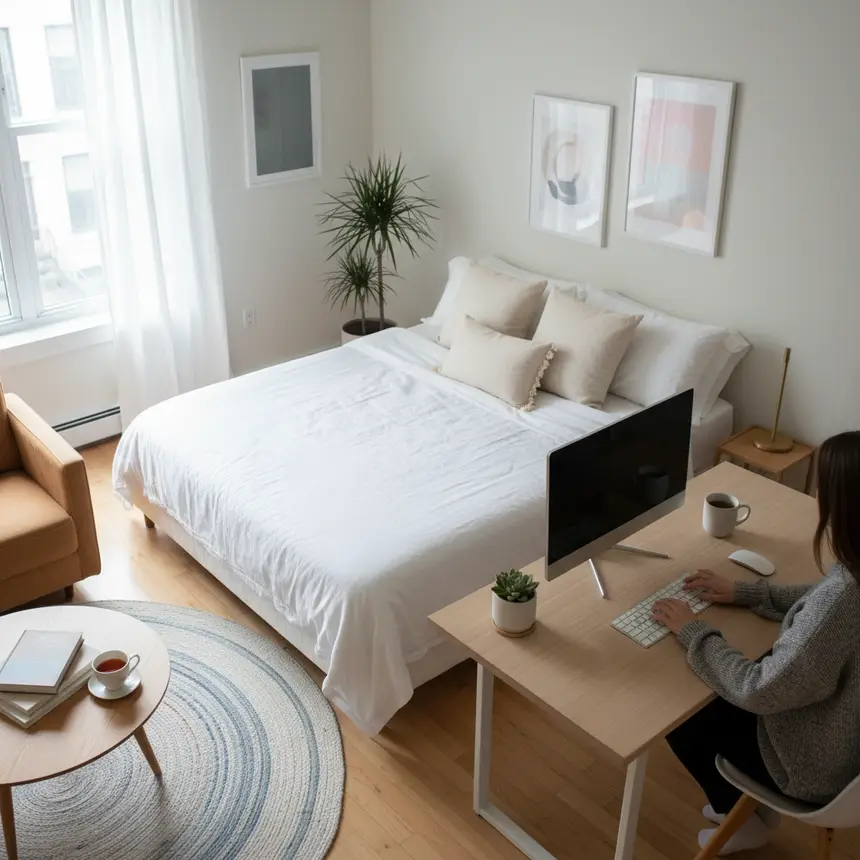
Struggling with winter heating bills in your studio? Discover practical tips for single-person households to save money and stay cozy. Learn smart energy management for a warm, budget-friendly home.

Embracing Winter Warmth Without Breaking the Bank
As the crisp air signals the arrival of winter, for those living alone, concerns about heating costs often become a real stressor. We all want to stay warm and comfortable, but seeing our bank balance dwindle can be disheartening. Many renters can relate to this challenge. Winter heating expenses can consume a significant portion of a monthly budget, sometimes leading to unexpected financial strain if not managed proactively. Is there a clever way to maintain warmth efficiently while keeping living costs in check? Today, let's explore practical tips that can help reduce heating bills with just small changes in daily habits. Let's embark on the first step towards a healthier, warmer winter!

Unseen Energy Drain: Are Your Habits Contributing to High Bills?
It's common for warmth to escape our homes, and for unnecessary energy consumption to drive up heating costs, often without us realizing it. While it's easy to assume high heating bills are simply 'part of winter,' the truth is, inefficient habits might be the real culprit. From inadequate maintenance of heating systems to incorrect usage and even minor cooking practices in the kitchen, energy waste can occur at various points. Recognizing that small, daily actions accumulate to make a significant difference in your expenses is key. The journey to efficient energy management begins with accurately identifying these waste factors.
※ This post contains affiliate links. I may earn a commission at no extra cost to you.


Maximize Savings with Practical Daily Habits
To alleviate heating costs and maintain a comfortable indoor environment, adjusting a few daily habits is essential.
- Regular Heating System Check-ups: Before winter fully sets in, it's wise to inspect your boiler and pipe conditions. Accumulation of foreign matter in pipes can reduce heating efficiency, leading to higher energy consumption. Simple checks and cleaning can significantly boost your system's performance.
- Smart Temperature Management When Away: For short outings, instead of completely turning off your heating, utilize an 'away mode' to maintain a moderate temperature. Allowing the indoor temperature to drop too low requires more energy to reheat, and it also mitigates the risk of pipes freezing.
- Energy-Efficient Kitchen Practices: When cooking, use pots with wide bases and ensure the flame is centered and doesn't spill beyond the pot's bottom. Unnecessarily escaping flames are a major cause of gas waste. Covering pots while cooking also minimizes heat loss.
- Proper Faucet Management After Hot Water Use: Make it a habit to turn your faucet lever to the cold water side after using hot water. Leaving it on the hot side can prompt your heating system to continuously warm water, resulting in unnecessary energy use. This small habit can lead to substantial savings over time.
- Balancing Ventilation and Heating Efficiency: Even when heating, it's crucial to ventilate briefly once or twice a day. This circulates stuffy air, regulates humidity, and improves indoor air quality. Short, intense ventilation is more beneficial for both heating efficiency and health than keeping windows perpetually closed.

Building a Sustainable Routine for Heating Cost Reduction
Instead of implementing these methods as one-off actions, it's vital to integrate them into your daily routine. This means consistently checking your heating settings before leaving home in the morning, applying energy-efficient cooking methods, and verifying the hot water valve position before bed. On weekends, a light inspection of your heating system or dedicated time for indoor ventilation can also be beneficial. Such routines empower you to manage your living space and energy consumption more proactively, beyond just saving money. Consistency is ultimately the most effective key to reducing expenses.

Smarter Energy Management for a Cozier Winter
While winter heating costs are a significant part of single living, smart management and small habit changes can effectively alleviate the burden. The practical tips we've explored today will make your living space warmer and more economical. This approach isn't just about saving money; it's also a wise way of living that contributes to efficient resource use and environmental protection. Instead of trying to change everything at once, start with one or two actionable habits. We hope you enjoy a cozy and comfortable winter in your own space, free from financial worries.
Frequently Asked Questions
Q. Isn't it more economical to turn off the boiler completely when I go out?
A. Using an 'away mode' can often be more efficient in the long run. If the indoor temperature drops too low, it requires more energy to reheat, and there's a risk of pipes freezing.
Q. How often should heating pipes be cleaned?
A. Experts generally recommend cleaning heating pipes every 2-3 years for optimal efficiency. If you notice a decline in heating performance, especially in winter, it's a good idea to have them checked.
Q. What is a good indoor temperature setting for heating?
A. While personal preference varies, maintaining an indoor temperature between 68-72°F (20-22°C) is generally recommended. Supplementing with warm clothing or blankets can help you stay comfortable even at slightly lower thermostat settings.