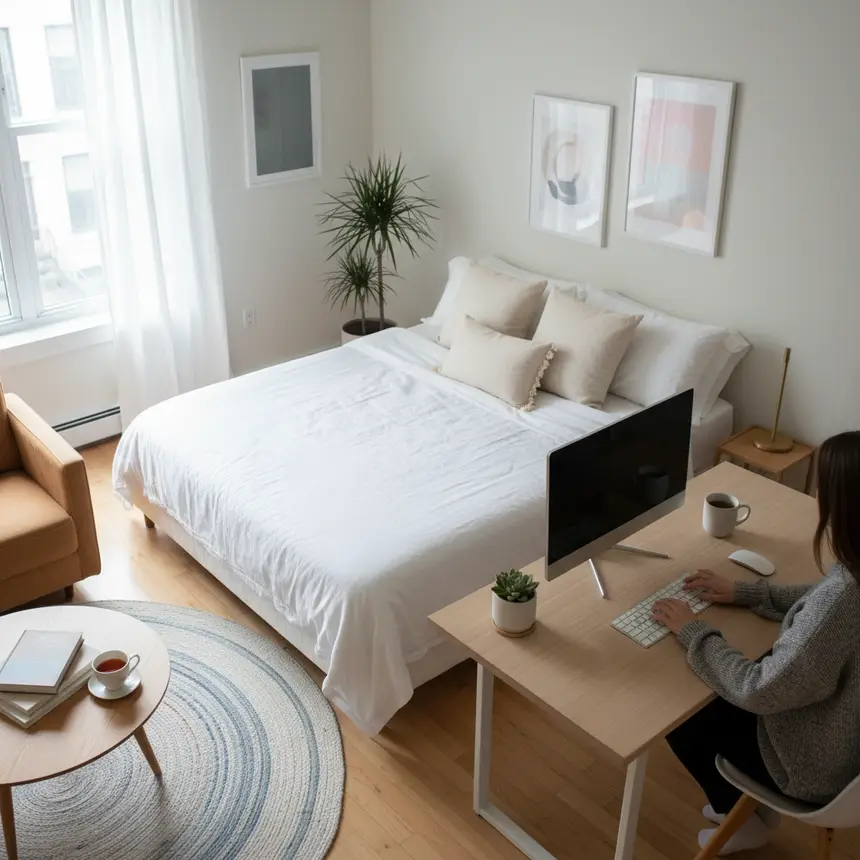
Looking for ways to stay warm this winter without high heating costs? This article shares effective strategies for zone heating and energy saving, perfect for renters and families. Discover smart winter heating tips for a cozier home.

Battling Winter's Chill: Your Home Heating Dilemma
As the colder months arrive, many homeowners and renters face a common challenge: how to maintain a comfortable indoor temperature without incurring exorbitant heating costs. This concern is particularly acute for those in smaller living spaces, like studio apartments, or families with young children who require extra warmth in specific areas. The dread of a high utility bill often forces us to endure chilly rooms, leading to discomfort. Imagine bathing an infant in a cold bathroom – it's not just unpleasant, it's a constant worry. These everyday scenarios push many to seek more strategic heating solutions beyond simply cranking up the central thermostat. This guide will explore practical approaches to keep your specific living areas cozy and inviting, helping you navigate winter efficiently.

Your Guide to Choosing the Right Supplemental Space Heater
Selecting an effective supplemental heating device can feel overwhelming, given the array of options like fan heaters, ceramic heaters, and panel heaters. The best choice depends heavily on your specific needs, especially when considering areas prone to moisture, such as bathrooms, or homes with small children. Prioritize models with essential safety features, including water resistance and an automatic shut-off mechanism that activates if the unit is accidentally tipped over. For families, a child-lock function is also a crucial consideration. Understanding the heating method is key: forced-air heaters provide quick warmth but can dry out the air and emit a distinct odor. In contrast, radiant or convection heaters warm spaces more gently and evenly, without direct airflow, leading to less dryness and no unpleasant smells. Many of these units offer flexible placement options, usable as freestanding devices or wall-mounted, making them adaptable for various rooms like living areas or bedrooms.
※ This post contains affiliate links. I may earn a commission at no extra cost to you.


Integrating Efficient Heating into Your Daily Routine
Smartly incorporating a supplemental heating device into your daily habits can significantly enhance comfort while reducing energy expenses. The principle is simple: heat only the areas you need, when you need them. For instance, pre-heating a bathroom for about 10 minutes before a shower can transform a cold space into a warm, inviting one. This not only makes bathing more pleasant but also helps prevent that sudden chill when you step out. This strategy is equally effective in other zones, such as a dressing room in the morning or a home office during work hours. Rather than running a full central heating system for the entire house, using a supplementary heater for 2-3 hours daily in specific rooms can lead to substantial energy savings. Many households find this approach adds only about $15-$25 to their monthly bill, a far more economical solution than heating the whole home indiscriminately. Modern devices often include timer functions, allowing you to set them to operate for a desired duration and then automatically switch off, maximizing efficiency and conserving residual warmth.

Embracing a Cozy Winter with Smart Heating Solutions
Adopting a strategic approach to home heating can truly transform your winter experience. By focusing on targeted warmth for specific spaces, rather than universally heating your entire dwelling, you can achieve a comfortable environment while keeping energy costs manageable. The simple pleasure of stepping into a gently warmed bathroom after a shower, or comfortably getting dressed in a cozy bedroom on a chilly morning, significantly enhances daily life. These thoughtful heating adjustments can enable you to lower your central heating thermostat, contributing to both personal comfort and budget control. As the colder months approach, consider how a targeted warming strategy can bring an added layer of comfort and tranquility to your home. Discover your own solution for a warm and peaceful winter, making every day feel more inviting.
Frequently Asked Questions
Q. What is the best way to keep my home warm while saving on heating bills?
A. The most effective approach is to utilize supplemental heating devices for specific zones, actively use timer functions, and enhance your home's overall insulation. Sealing drafts around windows and doors can also make a significant difference.
Q. What are the most important factors to consider when choosing a supplemental heater?
A. Prioritize safety features like water resistance and automatic power shut-off. Also, consider the heating method (whether it dries the air or produces odors) and its versatility in terms of placement and mobility. For homes with children, a child-lock function is also advisable.
Q. Why do convection heaters tend to dry out the air less?
A. Convection heaters warm the air indirectly and circulate it naturally, rather than blowing hot air directly. This process results in less moisture being removed from the air compared to forced-air heating methods, making the environment feel less dry.
Q. Will using a supplemental heater significantly increase my electricity bill?
A. Generally, using a supplemental heater for 2-3 hours in specific areas is more cost-effective than running a full central heating system for extended periods. The actual cost depends on usage duration and the heater's power consumption, so checking its energy efficiency rating and using it judiciously is important.