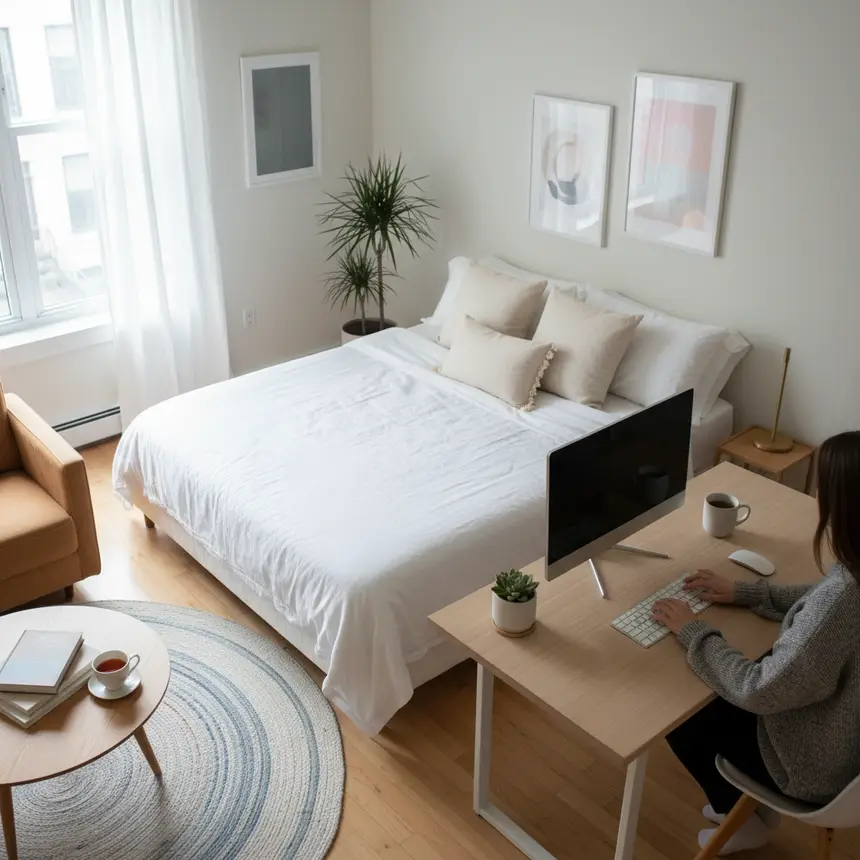
Solve your winter heating worries for solo living! Discover practical energy-efficient methods to create a cozy, warm space without high electricity bills. Transform your independent living experience with smart heating habits.

The Modern Solo Dweller's Winter Dilemma: Coziness vs. Cost
As winter arrives, a common challenge faces those living in smaller, independent spaces: how to stay warm without dreading the monthly utility statement. Stepping into a chilly apartment after a long day can instantly drain one's energy and morale, especially for those prone to cold hands and feet. The desire to dial up the heat is strong, yet the thought of escalating electricity costs often holds us back. This creates a unique dilemma for solo residents aiming for a comfortable, inviting home environment without the financial strain. Dealing with heating concerns can significantly diminish the satisfaction of living independently. Fortunately, by adopting warm and energy-efficient practices, we can smartly navigate this dilemma.

Smart Strategies for a Warm and Wallet-Friendly Home
Achieving both warmth and energy savings requires a thoughtful approach. Rather than simply turning up the heat, implementing efficient energy management practices can transform your compact living space into a comfortably warm sanctuary.
1. Intelligent Temperature Management for Cost Savings
Effective temperature control is foundational. Opt for heating devices with automatic temperature regulation to maintain a consistent, pleasant indoor climate. Aim for a comfortable range, perhaps around 73-77°F (23-25°C), to minimize unnecessary energy consumption. A smart tactic is to initially use a higher setting to quickly warm the room, then reduce it to a lower, maintenance level once the desired warmth is achieved. This two-stage heating method can significantly contribute to lowering your electricity bill.
2. Cultivating a Healthy Indoor Heating Environment
Using heating appliances can sometimes lead to dry or stuffy air. Prioritizing indoor air quality is crucial for both comfort and health. Certain heating units come equipped with filters that trap dust and can be regularly cleaned, promoting fresher air and potentially improving heating efficiency. Additionally, heating methods that warm the air without directly burning fuel or excessively drying the air can help maintain a more comfortable humidity level.
3. Optimizing Space with Strategic Heating Unit Placement
In smaller living areas, the placement of your heating device plays a vital role. To ensure heat distributes evenly rather than congregating in one spot, consider units with oscillation features or portable designs that can be moved as needed. Units with wheels, for instance, offer the flexibility to provide warmth in the living area, kitchen, or bedroom, maximizing the heating effect while reducing overall power usage. This strategic spatial management enhances comfort and energy conservation.
1. Intelligent Temperature Management for Cost Savings
Effective temperature control is foundational. Opt for heating devices with automatic temperature regulation to maintain a consistent, pleasant indoor climate. Aim for a comfortable range, perhaps around 73-77°F (23-25°C), to minimize unnecessary energy consumption. A smart tactic is to initially use a higher setting to quickly warm the room, then reduce it to a lower, maintenance level once the desired warmth is achieved. This two-stage heating method can significantly contribute to lowering your electricity bill.
2. Cultivating a Healthy Indoor Heating Environment
Using heating appliances can sometimes lead to dry or stuffy air. Prioritizing indoor air quality is crucial for both comfort and health. Certain heating units come equipped with filters that trap dust and can be regularly cleaned, promoting fresher air and potentially improving heating efficiency. Additionally, heating methods that warm the air without directly burning fuel or excessively drying the air can help maintain a more comfortable humidity level.
3. Optimizing Space with Strategic Heating Unit Placement
In smaller living areas, the placement of your heating device plays a vital role. To ensure heat distributes evenly rather than congregating in one spot, consider units with oscillation features or portable designs that can be moved as needed. Units with wheels, for instance, offer the flexibility to provide warmth in the living area, kitchen, or bedroom, maximizing the heating effect while reducing overall power usage. This strategic spatial management enhances comfort and energy conservation.
※ This post contains affiliate links. I may earn a commission at no extra cost to you.


How Smart Heating Transforms Daily Life
Adopting these heating strategies in your daily life can go beyond mere energy savings. You'll experience a noticeable improvement in your overall well-being and satisfaction with your living space. As the chill dissipates and warmth fills your home, you'll feel a tangible enhancement in your everyday life.
1. Enhancing Sleep Quality with Optimal Room Temperature
A well-tempered room is essential for restful sleep. Extreme cold or heat can disrupt sleep cycles. Smart heating habits, such as setting the temperature to a cozy 75°F (24°C) before bed and then lowering it to 72°F (22°C) for sustained warmth through the night, can ensure you wake up feeling refreshed and ready for the day.
2. Boosting Productivity in a Comfortable Environment
A cold indoor environment can dampen motivation and slow down activity. Conversely, a suitably warm space can significantly enhance productivity, whether you're studying or working from home. By utilizing a portable heating unit to warm only the immediate area where you're active, you can maintain comfort and focus without incurring high costs for heating the entire apartment. The days of struggling with numb fingers and toes will become a thing of the past.
3. Finding Peace of Mind Through Cost-Effective Comfort
Alleviating concerns about heating expenses directly translates to a reduction in financial stress. This peace of mind permeates all aspects of solo living. Enjoying a warm home without the constant anxiety of a surprising utility bill allows you to fully relax and relish your personal space. Winter no longer needs to be a season to dread, but rather a time for cozy comfort and tranquility.
1. Enhancing Sleep Quality with Optimal Room Temperature
A well-tempered room is essential for restful sleep. Extreme cold or heat can disrupt sleep cycles. Smart heating habits, such as setting the temperature to a cozy 75°F (24°C) before bed and then lowering it to 72°F (22°C) for sustained warmth through the night, can ensure you wake up feeling refreshed and ready for the day.
2. Boosting Productivity in a Comfortable Environment
A cold indoor environment can dampen motivation and slow down activity. Conversely, a suitably warm space can significantly enhance productivity, whether you're studying or working from home. By utilizing a portable heating unit to warm only the immediate area where you're active, you can maintain comfort and focus without incurring high costs for heating the entire apartment. The days of struggling with numb fingers and toes will become a thing of the past.
3. Finding Peace of Mind Through Cost-Effective Comfort
Alleviating concerns about heating expenses directly translates to a reduction in financial stress. This peace of mind permeates all aspects of solo living. Enjoying a warm home without the constant anxiety of a surprising utility bill allows you to fully relax and relish your personal space. Winter no longer needs to be a season to dread, but rather a time for cozy comfort and tranquility.
Frequently Asked Questions
Q. What are the key criteria for choosing a heating device for a small living space?
A. The choice depends on your room size, insulation quality, and personal preferences. It's advisable to look for highly energy-efficient models with automatic temperature control and portability for ease of movement. Also, consider options that help maintain indoor humidity levels to prevent excessive dryness.
Q. What specific steps can I take to save electricity when using a heater?
A. Maintain your indoor temperature around 68-72°F (20-22°C), and remember to turn off or switch your heater to economy mode when you leave. A good strategy is 'staged heating': initially run it on a higher setting to quickly warm the room, then lower it to sustain warmth. Sealing drafts around windows and doors also significantly helps.
Q. How can I reduce indoor dryness caused by heating appliances?
A. Using a humidifier or placing wet towels in the room can help regulate humidity. Heaters that use convection or indirect heating methods, rather than direct fan heaters or those with open flames, tend to be better for maintaining indoor moisture. Regular ventilation is also essential.
Q. Can using a portable heater help reduce my overall heating costs?
A. Yes, focusing heat on specific areas where you're active, instead of warming the entire apartment, can lead to significant savings. For example, using a portable heater only when you're working at your desk or relaxing on the couch allows for efficient energy use without the expense of heating unoccupied spaces.