Unlock the secrets to serene solo living. Discover practical strategies for efficient organization, mindful space utilization, and sustainable cleaning routines to transform your studio apartment into a peaceful, well-managed sanctuary. Start your journey today!

H2. Is Your Small Apartment a Sanctuary or a Stressor?
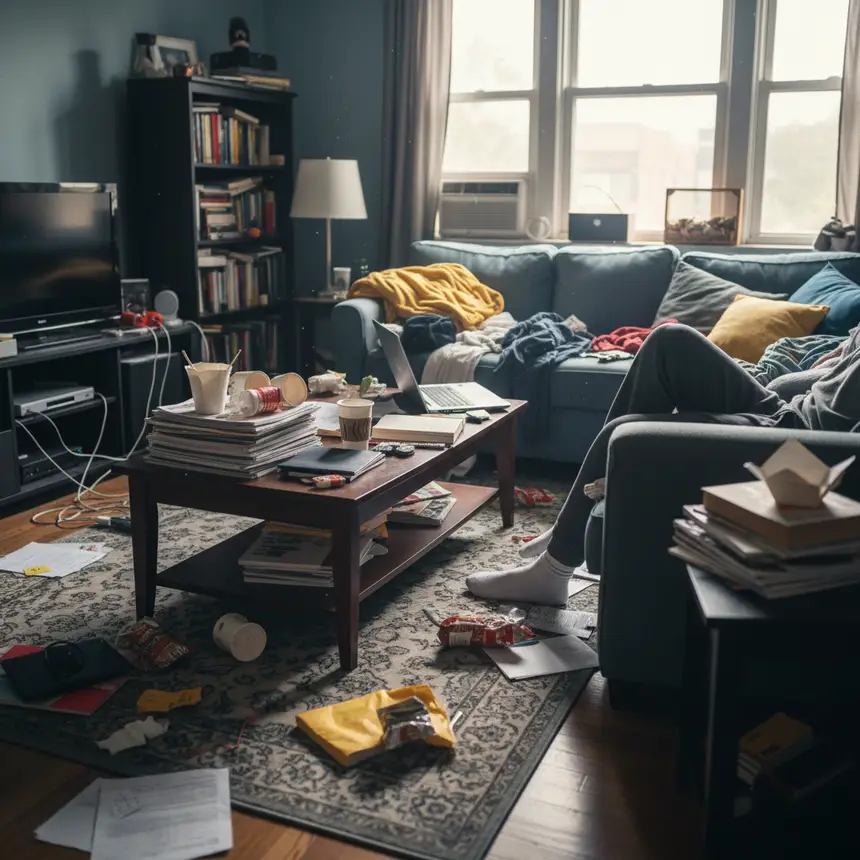
For many, a studio apartment is more than just a living space; it's a personal retreat, a place for rest and rejuvenation. However, it can quickly transform into a source of stress when clutter takes over. Piles of clothes, forgotten dishes, and misplaced items can make an already small area feel even more cramped and overwhelming. This visual and physical disarray can significantly impact your mental well-being, making it difficult to relax or focus. When your living environment feels chaotic, it often mirrors a similar feeling internally, diminishing your overall sense of peace and productivity. A well-organized space, on the other hand, promotes mental clarity, fosters better habits, and ultimately enhances your quality of life. If your apartment currently feels more like a storage unit than a haven, it's time to re-evaluate its purpose and function.

H2. Unpacking the Roots of Disorganization in Compact Homes
Why do small spaces so often fall victim to disarray? The reasons are typically multifaceted, stemming from common habits and the unique challenges of compact living. Firstly, inefficient routines play a significant role. It's easy to drop items wherever convenient after a long day, or to postpone decluttering. Over time, these small neglects accumulate, making the space feel perpetually untidy. Secondly, a lack of strategic space utilization is often a culprit. Without a clear plan for storage and traffic flow, items quickly exceed the available room. Overlooking vertical storage or the back of doors means missing out on valuable real estate. Lastly, time constraints and perceptions of being 'too busy' prevent consistent tidying. The thought of a major clean-up can be daunting, leading to procrastination. This often means neglecting less visible but important tasks, like airing out cabinets or deep cleaning appliance compartments. Recognizing these underlying causes is the first step toward building sustainable solutions for a more harmonious home.
※ This post contains affiliate links. I may earn a commission at no extra cost to you.


H2. Practical Strategies for Efficient Apartment Organization and Flow
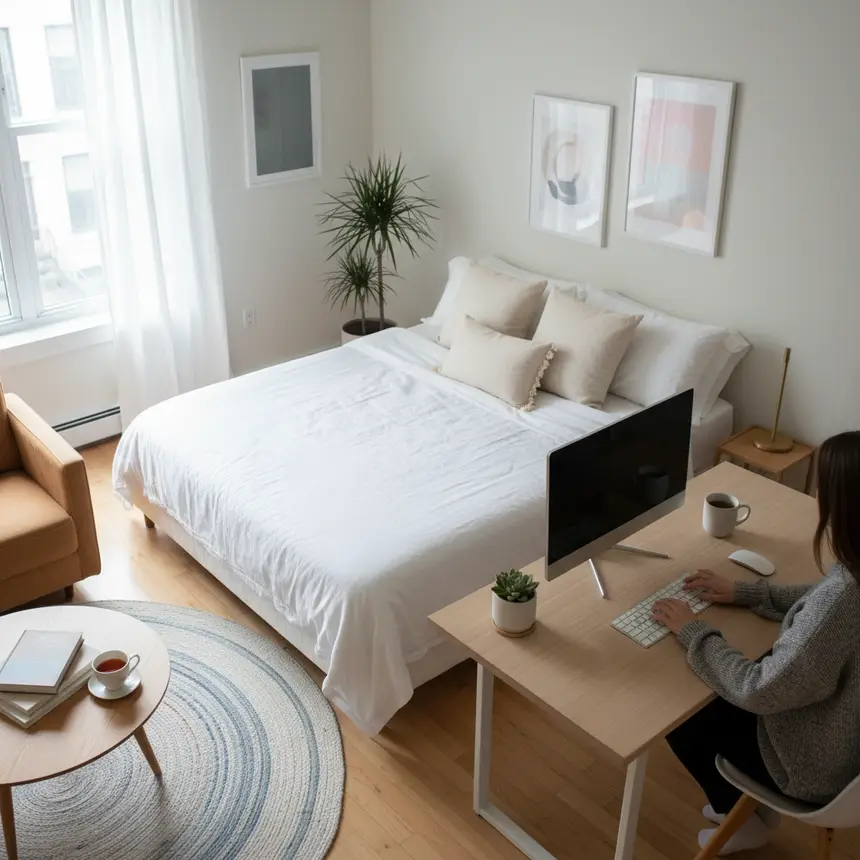
Transforming your apartment into an efficient and serene space involves implementing practical organization, cleaning, and flow management strategies. Begin by adopting a 'zone-based' approach to tidying. Designate specific areas for different activities – a work zone, a sleep zone, and a cooking zone. For example, in the kitchen, ensure frequently used items are easily accessible, while less common tools are stored away neatly. Regularly declutter by assessing items: if it's worn out, broken, or hasn't been used in a long time, it's time to let it go. This mindful disposal, like replacing an old, worn blanket, creates room for what truly serves you. Next, optimize your daily flow by minimizing unnecessary movement. Arrange furniture and storage to support your daily activities, reducing the effort needed to access items. Establish a 'micro-cleaning' routine. Instead of waiting for a full-scale deep clean, dedicate 5-10 minutes each day to specific tasks, such as wiping down countertops or cleaning out a small drawer. This consistent effort not only keeps your space tidy but also contributes to a more restful environment, particularly your sleep zone. A well-organized living area promotes a calm mind, leading to deeper, more restorative sleep and reducing overall fatigue.

H2. Cultivating Sustainable Habits for Mindful Home Management
Maintaining an organized and peaceful living space is an ongoing journey that benefits from sustainable habits and a flexible mindset. The key is to 'start small and be consistent.' Instead of aiming for an overhaul, pick one small area or task each day, such as tidying your bedside table before sleep or doing dishes immediately after a meal. These small, achievable victories build momentum. Furthermore, practice 'conscious consumption' when bringing new items into your home. Before making a purchase, ask yourself if it's truly essential and if you have a designated place for it. Consider alternatives to disposable items; for instance, opting for reusable cloths instead of single-use wipes not only reduces waste but also promotes a more intentional lifestyle. Finally, embrace the philosophy of 'focusing on what you can control.' While many external factors are beyond our influence, the state of our personal living space is largely within our power to shape. Strive for a space that feels comfortable and functional for you, rather than pursuing an unattainable ideal of perfection. Celebrating small improvements and giving yourself grace throughout the process will foster a positive relationship with your home and enhance your overall well-being.
Frequently Asked Questions
Q. Where should I begin when organizing a small apartment?
A. Start with the areas you use most frequently or that tend to get cluttered fastest, like your bedside table or desk. Tackling these visible spots first can provide immediate satisfaction and motivation to continue with other areas.
Q. How can I maintain a cleaning routine with a busy schedule?
A. Implement a 'micro-cleaning' approach. Dedicate 5-10 minutes daily to a specific task, such as wiping down kitchen counters or cleaning the bathroom mirror. For larger tasks, schedule them weekly, breaking them into smaller, manageable chunks.
Q. What are the benefits of decluttering, especially in a small home?
A. Decluttering not only frees up physical space but also provides mental clarity. Less clutter means fewer things to manage, easier access to necessities, and reduced stress. It also encourages more mindful consumption habits.
Q. How can I improve my sleep environment in a studio apartment?
A. Prioritize a clean, quiet, and dark sleep zone. Regularly wash bedding, ensure your mattress is comfortable, and use blackout curtains to block light. Try to keep this area free from work-related items to promote relaxation.
Q. What are some smart tips for managing a small kitchen efficiently?
A. In a small kitchen, immediate clean-up is key: wash dishes right after use. Utilize vertical space with shelves or hooks. Regularly check and organize your refrigerator and pantry using clear containers to easily see and access ingredients.