Feeling overwhelmed by clutter in your small living space? Discover clever storage solutions and practical tips to transform your apartment into a functional and peaceful retreat. Learn how small habits can lead to a more organized and spacious life.

The Solo Living Struggle: When Your Space Feels Smaller Than It Is
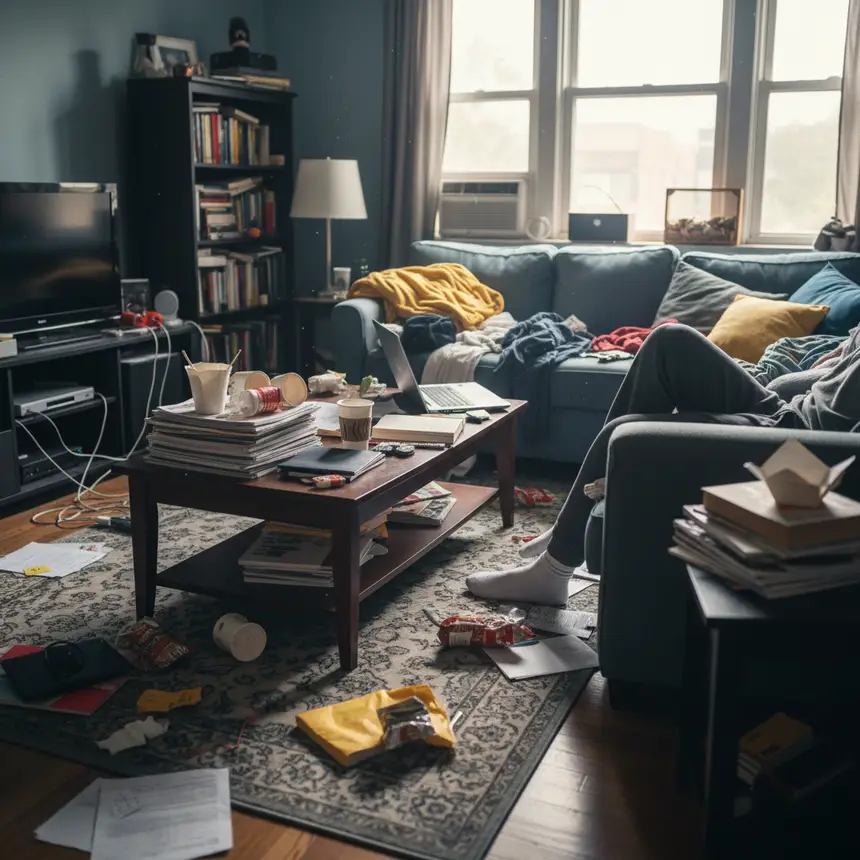
Embarking on solo living often starts with dreams of a cozy, personalized haven. Yet, over time, a small apartment can quickly become a cramped, overwhelming space, buried under a growing pile of possessions. From clothes and kitchen gadgets to books and hobby gear, the constant search for items, inevitably leading to them being left scattered, is a relatable challenge for many. The desire for a serene, uncluttered home where you can truly relax often clashes with the reality of a busy, compact living area. This frustration isn't just about aesthetics; it impacts daily convenience and can contribute to mental fatigue. But there's good news: with smart solo pad storage strategies and effective space maximization techniques, you can overcome these hurdles. View organizing not as a chore, but as a valuable investment in your overall well-being. Even minor adjustments can bring significant satisfaction.

Decoding the Mess: Building Smarter Habits for a Tidy Life
A primary cause of cluttered living spaces is possessing more items than genuinely needed. We often cling to belongings with a "just in case" mentality or for sentimental reasons. Yet, this accumulation obstructs effective space maximization and can lead to unnecessary stress.
The initial step in any effective solo pad storage plan is decluttering. Establishing clear criteria for what to keep and what to release is crucial. Consider these guidelines when reviewing your possessions:
By confidently decluttering, you free up valuable space for items that truly enhance your life. Equally important is the habit of assigning a specific "home" to every item. Instead of leaving things scattered, consistently returning them to their designated spot after use will help maintain order. Start by choosing one drawer or shelf and applying the "six-month rule" to kickstart your decluttering process.
The initial step in any effective solo pad storage plan is decluttering. Establishing clear criteria for what to keep and what to release is crucial. Consider these guidelines when reviewing your possessions:
- Items you haven't used in the past six months.
- Broken items with no firm repair plans, or those already replaced.
- A select portion of old mementos that take up excessive room.
By confidently decluttering, you free up valuable space for items that truly enhance your life. Equally important is the habit of assigning a specific "home" to every item. Instead of leaving things scattered, consistently returning them to their designated spot after use will help maintain order. Start by choosing one drawer or shelf and applying the "six-month rule" to kickstart your decluttering process.
※ This post contains affiliate links. I may earn a commission at no extra cost to you.


Strategic Storage: Unlocking Your Apartment's Full Potential
After decluttering, the next step is to efficiently use your remaining space. Effective solo pad storage involves understanding each area's unique characteristics and applying tailored solutions.
The Long Game: Sustaining an Organized Lifestyle
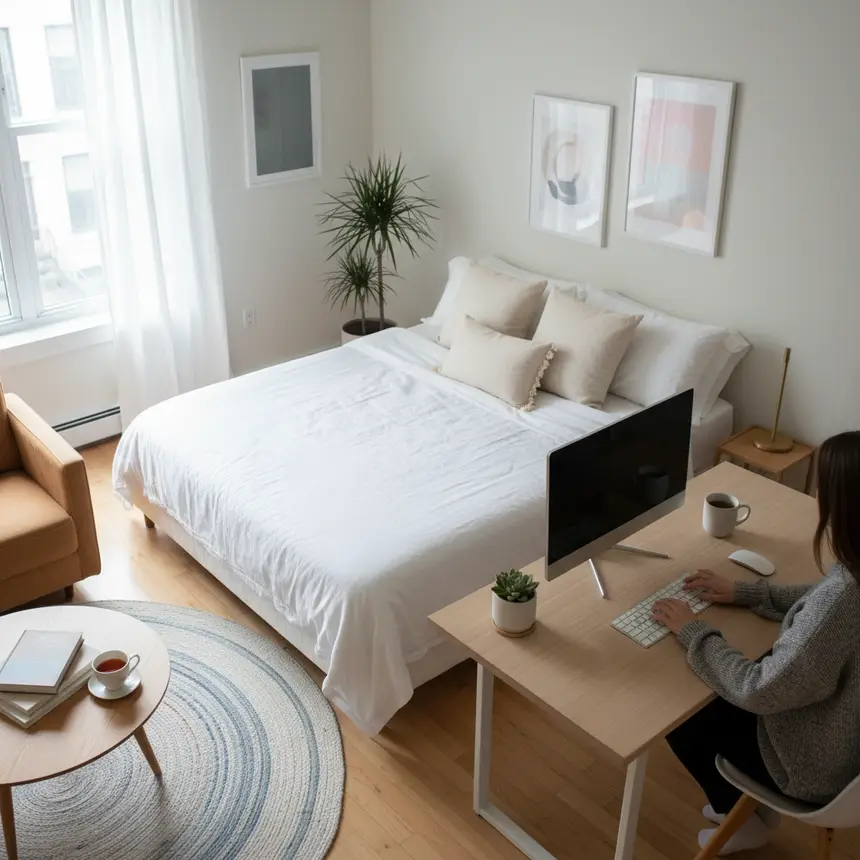
Even the best storage system needs consistent upkeep. Organizing isn't a one-time task; it's an ongoing lifestyle management habit. Dedicate five minutes daily to a quick tidy-up, and immediately return items to their designated spots after use. Periodically review your systems and consider a "one in, one out" rule. These efforts create a perpetually pleasant and personalized living space. Remember, smart solo pad storage enriches your daily life beyond just arranging items.
- In the kitchen, maximize vertical space. Install narrow wall shelves or use drawer dividers and small bins in cabinets for dishware and cooking tools. Transparent containers for dry goods enhance visibility.
- Actionable Tip: Attach a magnetic strip or adhesive hooks inside cabinet doors for knives or small utensils to free up counter space.
- For the bedroom and living area, blend comfort with neatness. Consider storage-integrated furniture (e.g., ottoman, bed with drawers). Use flat bins under the bed for bulky seasonal items. In closets, employ hanging organizers or drawer dividers for clothes and accessories, boosting space maximization.
- Actionable Tip: Use vacuum seal bags for off-season clothing or bedding to reduce volume, storing them under your bed or on high shelves.
- Discover hidden spaces. Don't overlook wall-mounted shelves, pegboards, and over-the-door pocket organizers as excellent solutions. Slim pull-out units can fit into narrow gaps between furniture for cleaning supplies or pantry items.
- Actionable Tip: Use small boxes or baskets on your desk or shelves to gather pens, chargers, and small items for a tidier look.
The Long Game: Sustaining an Organized Lifestyle
Even the best storage system needs consistent upkeep. Organizing isn't a one-time task; it's an ongoing lifestyle management habit. Dedicate five minutes daily to a quick tidy-up, and immediately return items to their designated spots after use. Periodically review your systems and consider a "one in, one out" rule. These efforts create a perpetually pleasant and personalized living space. Remember, smart solo pad storage enriches your daily life beyond just arranging items.
Frequently Asked Questions
Q. Where's the best place to start organizing a small apartment?
A. Begin with decluttering. Sort through items you haven't used in the past six months or broken items you won't repair. This initial purge creates immediate space. Afterward, focus on assigning a permanent home for everything that remains.
Q. How do I decide what to keep and what to get rid of when decluttering?
A. Ask yourself: "Does this item provide real value to me now?", "Have I used it in the last six months?", or "Is it irreplaceable?" Prioritize practicality over the vague idea of "someday" use.
Q. My apartment has very little storage space. What are some effective strategies?
A. Maximize vertical space with wall shelves, pegboards, over-the-door organizers, and under-bed storage. Also, utilize narrow gaps between furniture with slim storage units to free up floor space.
Q. What are practical tips for keeping my apartment organized when I have a busy schedule?
A. Implement a "5-minute tidy" routine each evening and a "one in, one out" rule. Spend just a few minutes putting things away before bed, and when you buy something new, aim to let go of an old item in its category.