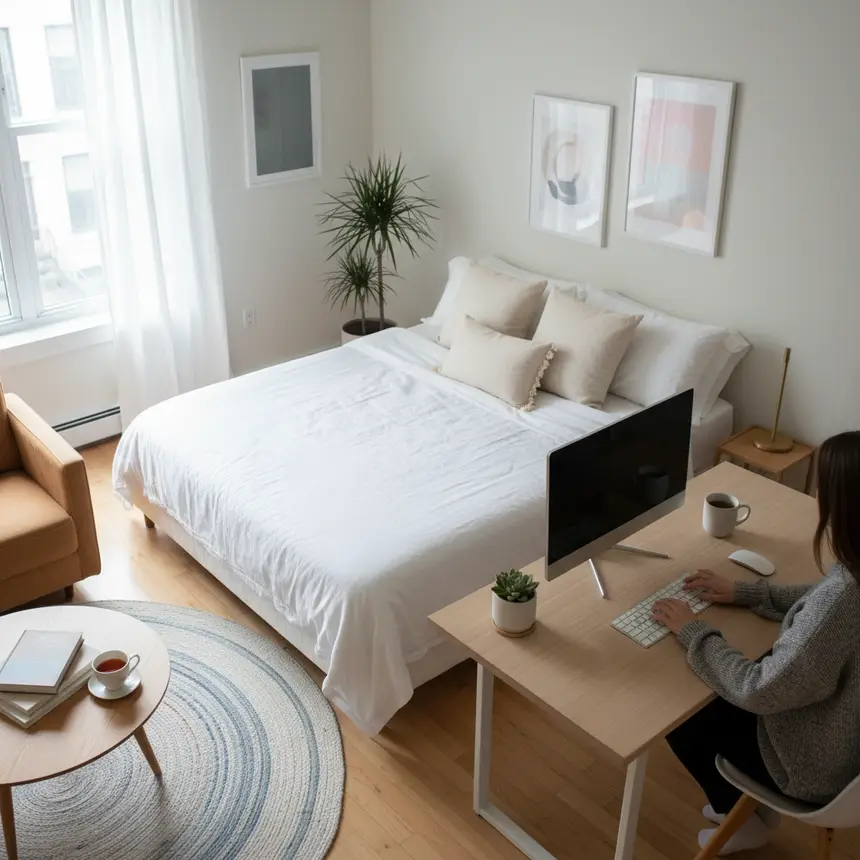
Navigating the joys of living alone but struggling with a dwindling wallet? Discover practical tips to manage your finances effectively and create an efficient home routine. Small changes can lead to significant positive impacts.

The Hidden Costs of Independent Living
Embracing solo living brings freedom, but often comes with unexpected financial challenges. Many living alone find their bank balance surprisingly low at month's end, even without major splurges. A few food deliveries, daily coffee runs, or small online purchases quickly add up, draining funds unnoticed. These 'small leaks' in daily spending are a common reality for those living independently. Managing a compact living space can also contribute, as clutter accumulates and disorganization creates mental stress, hindering efficient home management. Ultimately, these factors create a quiet but persistent drain on your finances and overall well-being.

Unpacking the Reasons Behind Overspending and Management Woes
Much of the financial struggle in solo living stems from inefficient daily habits. The burden of cooking often leads to reliance on takeout, easily adding over $70-$100 (approximately 100,000 KRW) to monthly food expenses. Similarly, focusing solely on rent when choosing a home, without thoroughly checking utility and maintenance fees, can lead to higher long-term costs. A difference of just $20-$30 (20,000-30,000 KRW) in monthly fees can accumulate to $240-$360 (240,000-360,000 KRW) annually. Neglecting simple energy-saving practices, like unplugging unused electronics or adjusting thermostat settings, also inflates utility bills. Lastly, maintaining unused online subscriptions or making frequent small purchases of household items are common culprits that quietly escalate spending, turning minor habits into significant financial burdens.
※ This post contains affiliate links. I may earn a commission at no extra cost to you.


Smart Home Management for a Fiscally Savvy Solo Life
A key to reducing solo living expenses is rethinking meal habits. Try a 'minimalist cooking routine': grocery shop once or twice a week and stick to 2-3 simple recipes. Replicating easy dishes like stir-fries or pasta can significantly cut down on takeout orders. Energy efficiency is also crucial. Turn off lights when leaving a room, unplug electronics to avoid phantom power drain, and adjust your thermostat seasonally. Even lowering your heating by a degree or two in winter and using extra layers can save $20-$30 (20,000-30,000 KRW) monthly on utilities. Beyond this, regularly review your spending habits. Opt for bulk purchases or subscription services for household essentials like cleaning supplies to lower unit costs and prevent impulse buys. Periodically check and cancel any unused online subscriptions to reduce fixed expenses. Optimizing your living space also indirectly saves money by preventing lost items or duplicate purchases. Utilize vertical storage, under-bed organizers, or multi-functional furniture to make the most of a small footprint. A well-organized space contributes to a well-managed budget.

Actionable Tips for Sustainable Solo Living
To maintain consistent financial health, establish personal spending "boundaries." For instance, commit to dining out only once a week or limiting cafe visits to twice a week. These rules simplify decisions and boost your financial control. While a detailed budget isn't necessary, try a simple tracking method. Focus on logging major expenses or categories to understand where your money goes. Simply knowing your spending patterns can motivate you to reduce unnecessary outlays. Achieving savings of over $70-$100 (100,000 KRW) monthly is a realistic goal through these efforts. Managing a solo household doesn't require drastic overhauls; it's about gradually integrating small, smart habits into your daily life. From minor energy adjustments to dedicated meal prep and regular financial check-ins, these steps combine to create a more efficient and fulfilling independent lifestyle. Pick one or two tips from this guide to start with today, and watch your solo living journey transform.
Frequently Asked Questions
Q. Where should I start when trying to save money living alone?
A. Focus on food and utility expenses first. Reduce takeout orders by establishing a simple home cooking routine. Also, practice energy-saving habits like unplugging unused electronics and maintaining a moderate indoor temperature.
Q. Budgeting feels overwhelming. How can I simplify it?
A. You don't need to track every single expense perfectly. Try recording only major expenditures weekly or monthly, or use a banking app to review your spending history. The key is to understand your general spending patterns.
Q. What are effective ways to curb impulse purchases?
A. Before buying, ask yourself: "Do I truly need this?" and "Are there alternatives?" Setting specific spending rules for categories, like "one new clothing item per month," can also help control discretionary spending.