Don't let fatigue and sensitivity define your solo living experience. Discover effective lifestyle management habits and practical organization tips to reclaim your vitality and create a fulfilling personal space.

The Shadow of Tiredness and Irritability in Solo Living
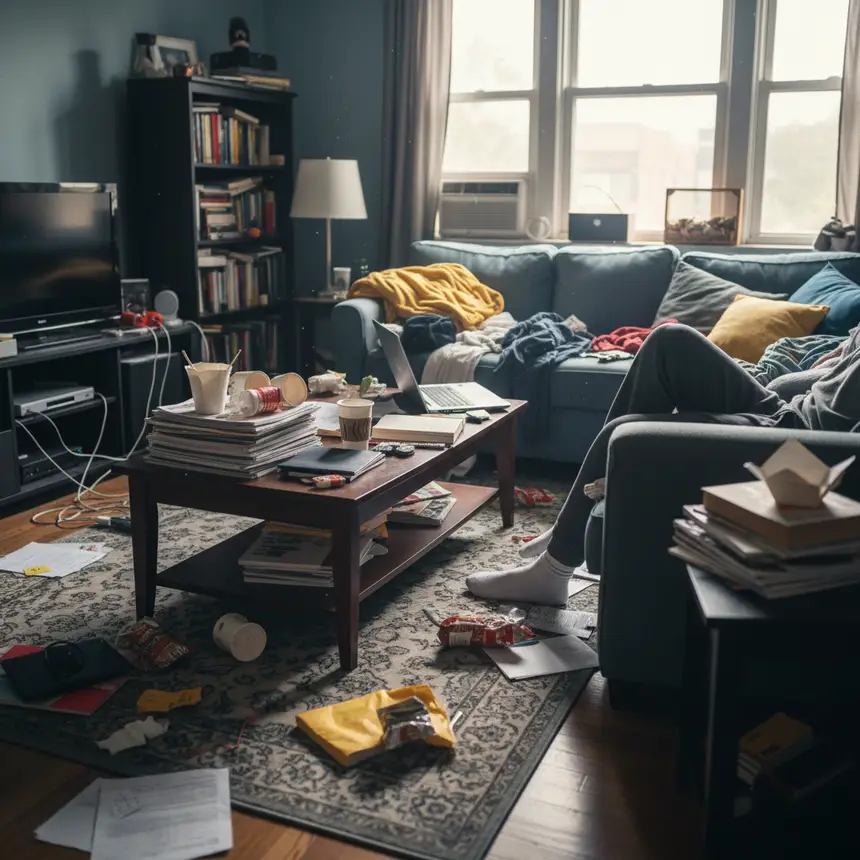
Building and maintaining your own living space, especially when living alone, demands considerable energy. It's common to find yourself drained and easily frustrated by small things, particularly when faced with a messy home after a busy day or wasting precious time searching for misplaced items. That groggy feeling upon waking, the sharp dip in focus by afternoon, and the subtle mental burden of a disorganized environment are universal challenges for anyone managing their own household. When sleep doesn't feel restorative, and minor inconveniences trigger disproportionate irritation, it impacts more than just physical energy – it affects overall quality of life. Recognizing how deeply our surroundings influence our mental well-being and energy levels is the first step. Understanding this connection reveals how small shifts in habit can unlock a significant boost in vitality.

Reclaiming Your Energy: Auditing Habits for a More Vibrant Life
To reduce fatigue and sensitivity while living solo, it's not enough to simply rest; a comprehensive review and improvement of your entire lifestyle are essential. The factors that deplete our energy range from tangible physical clutter to unseen psychological stressors. For instance, the seemingly minor act of searching for misplaced items, if it happens daily, accumulates into significant mental fatigue. Just as various nutrients synergistically support different bodily functions, effective home management relies on multiple interconnected elements to create optimal efficiency. It’s crucial to adopt a holistic approach that encompasses overall lifestyle patterns, rather than focusing on just one area of organization. While immediate changes might not be apparent, consistent effort for about two weeks often leads to noticeable improvements in focus and overall well-being. For example, a simple five-minute tidy-up of your bedroom before bed can create a more conducive sleep environment and set a positive tone for the next morning. These small, consistent actions, like putting items back in their designated spots, will not only declutter your physical space but also calm your mind. Pay attention to the positive signals your body sends as you try different methods; this process is foundational to establishing your unique home management routine.
※ This post contains affiliate links. I may earn a commission at no extra cost to you.


Practical Guide to Organizing Your Space and Mind for Sustainable Solo Living
Effective home management for reducing fatigue and sensitivity begins with practical, actionable steps. The key is to start with small, sustainable habits rather than trying to overhaul everything at once.
1. Give Every Item a 'Home': Assign a specific place for everything you own. Developing the habit of returning items to their designated spots after use will dramatically cut down on time wasted searching and reduce stress. Labeling drawers or storage bins can make this even easier.
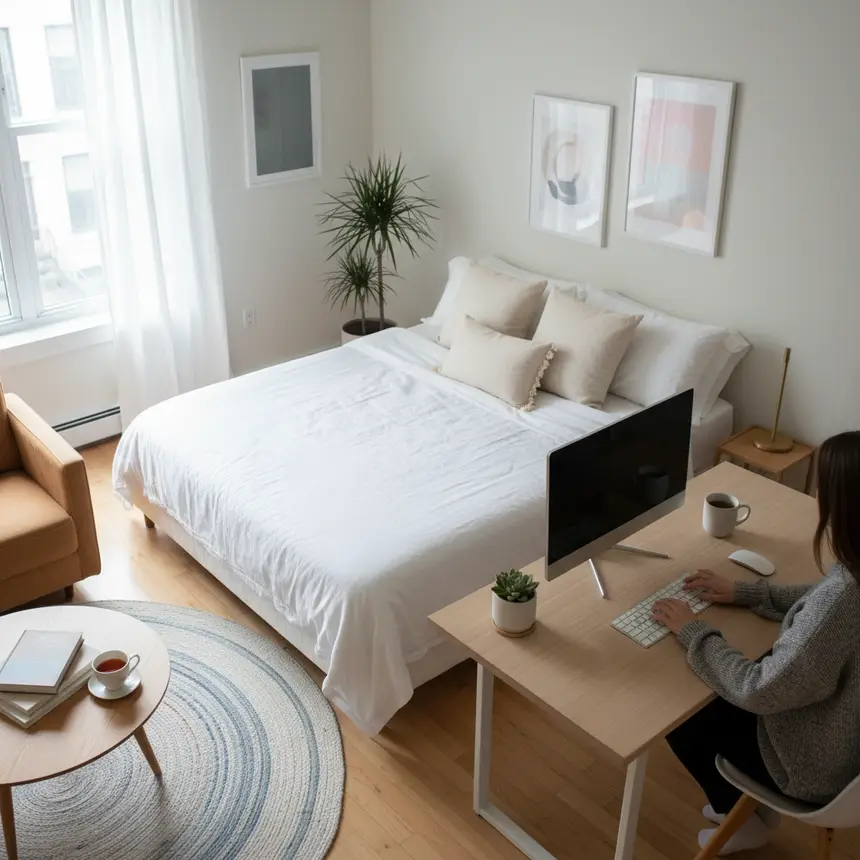
2. Establish a '5-Minute Tidy' Routine: Dedicate about five minutes at the start or end of your day to lightly straighten up your immediate surroundings. Small actions like making your bed or clearing clutter from your desk contribute to a larger sense of order. This creates a clean psychological bookend to your day, fostering a sense of calm.
3. Weekly 'Core Zone' Management: Once a week, designate a specific area like the bedroom, kitchen, or bathroom for a deeper organizational session. Be decisive about decluttering unnecessary items and re-evaluating storage based on usage frequency. The goal here is not perfection, but rather 'doing as much as you can right now.'
4. Adapt Routines to Your Energy Patterns: Just as you might take supplements at a specific time, tailor your cleaning and organizing activities to your personal body clock and energy levels. If you're a morning person, schedule more active tasks for the morning; if you're a night owl, reserve less strenuous activities for the evening when you still have energy. For example, doing laundry in the well-ventilated morning or tidying the kitchen while preparing dinner connects tasks organically and boosts efficiency.
These practical guidelines do more than just make your space cleaner; they significantly contribute to mental spaciousness and renewed vitality. The most important aspect is not to try and do everything at once, but to find what works for you and consistently follow through with a flexible attitude. These small, accumulated changes will ultimately complete your unique and sustainable solo living lifestyle, allowing you to break free from fatigue and sensitivity and enjoy a more fulfilling daily life.
1. Give Every Item a 'Home': Assign a specific place for everything you own. Developing the habit of returning items to their designated spots after use will dramatically cut down on time wasted searching and reduce stress. Labeling drawers or storage bins can make this even easier.
2. Establish a '5-Minute Tidy' Routine: Dedicate about five minutes at the start or end of your day to lightly straighten up your immediate surroundings. Small actions like making your bed or clearing clutter from your desk contribute to a larger sense of order. This creates a clean psychological bookend to your day, fostering a sense of calm.
3. Weekly 'Core Zone' Management: Once a week, designate a specific area like the bedroom, kitchen, or bathroom for a deeper organizational session. Be decisive about decluttering unnecessary items and re-evaluating storage based on usage frequency. The goal here is not perfection, but rather 'doing as much as you can right now.'
4. Adapt Routines to Your Energy Patterns: Just as you might take supplements at a specific time, tailor your cleaning and organizing activities to your personal body clock and energy levels. If you're a morning person, schedule more active tasks for the morning; if you're a night owl, reserve less strenuous activities for the evening when you still have energy. For example, doing laundry in the well-ventilated morning or tidying the kitchen while preparing dinner connects tasks organically and boosts efficiency.
These practical guidelines do more than just make your space cleaner; they significantly contribute to mental spaciousness and renewed vitality. The most important aspect is not to try and do everything at once, but to find what works for you and consistently follow through with a flexible attitude. These small, accumulated changes will ultimately complete your unique and sustainable solo living lifestyle, allowing you to break free from fatigue and sensitivity and enjoy a more fulfilling daily life.
Frequently Asked Questions
Q. Where should I start to reduce fatigue and sensitivity in my solo living situation?
A. Begin by evaluating your living space and daily habits. A disorganized environment, especially, can unconsciously trigger stress and fatigue. Start with a small habit, like tidying for just 5 minutes each day, to improve your physical environment and promote mental calm simultaneously.
Q. I try to organize, but it always gets messy again. What approach should I take?
A. Organization is an ongoing process, not a one-time event. Focus on developing the habit of 'giving every item a home and putting it back.' Consistent small actions will naturally lead to a more organized space and slow down the rate at which clutter accumulates. You should feel a difference after about two weeks of consistent effort.
Q. I struggle with time management in my solo living. Are there any effective tips?
A. Identify your energy patterns and schedule important household tasks accordingly. If you have high energy in the morning, do major cleaning then. If your focus dips in the afternoon, tackle lighter tasks like organizing small items or planning for the next day. Using a 'to-do list' to prioritize tasks can also be very helpful.
Q. My apartment is small, and storage is always a concern. Any good tips?
A. In small spaces, maximizing vertical storage is key. Utilize wall shelves, multi-tiered drawers, and under-bed storage containers to free up floor space. Additionally, make it a habit to regularly declutter unnecessary items to effectively manage limited storage.
Q. How does home management affect fatigue and sensitivity?
A. An organized environment reduces unnecessary stimuli and chaos, alleviating mental fatigue and improving focus. Furthermore, a predictable and controllable environment provides psychological comfort, helping to reduce sensitivity. Small changes in daily habits can positively transform your overall energy levels and mood.