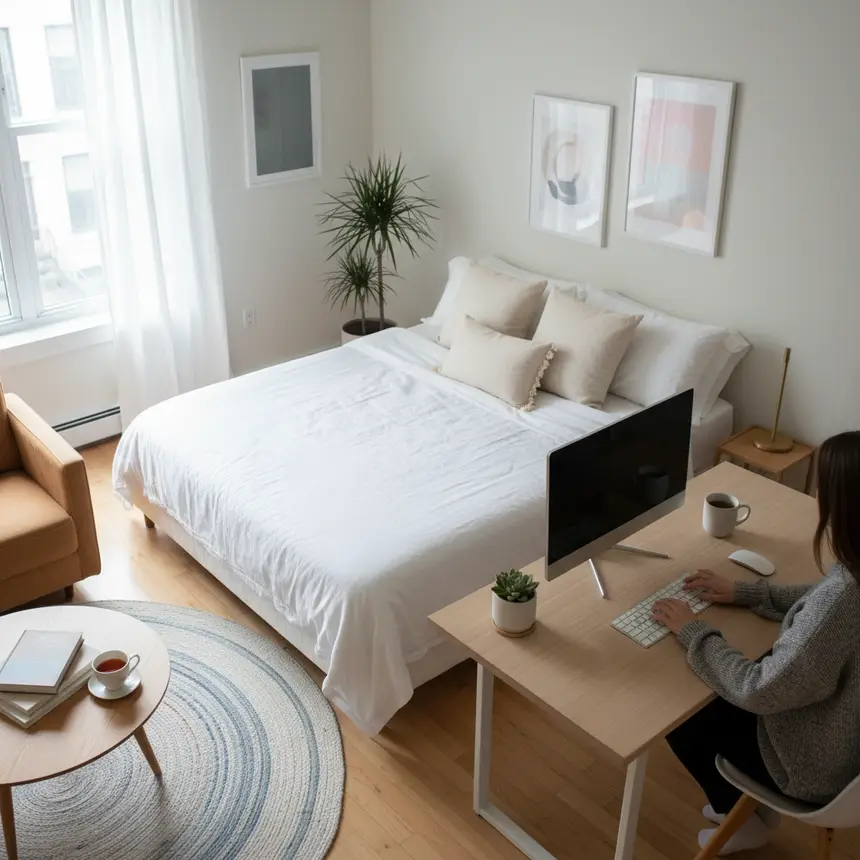
Discover how to create home management routines that fit your unique personality and lifestyle. Learn practical ways to maintain an organized and comfortable self-living space.

Crafting Your Personal Home Management Approach
Navigating household chores when living alone can often feel like a daunting task. Piles of clothes on the bed, a sink full of dishes, or dusty floors might leave you wondering, 'Where do I even begin?' Some individuals prefer a structured plan for organizing, while others are more inclined to research new tools. There are even those who opt to simply tolerate the mess for as long as possible.
These varied home management habits in self-living situations stem from unique personal tendencies. There's no single right way to maintain a home; understanding yourself is the first step towards effective lifestyle management. Start by objectively observing your current organizational style and daily patterns, then explore methods that genuinely work for you to cultivate a comfortable living space.
These varied home management habits in self-living situations stem from unique personal tendencies. There's no single right way to maintain a home; understanding yourself is the first step towards effective lifestyle management. Start by objectively observing your current organizational style and daily patterns, then explore methods that genuinely work for you to cultivate a comfortable living space.

Why Do Our Spaces Feel Stagnant? Understanding Your Organizational Style
A common question among those living independently is, 'Why does my home always seem messy, no matter how much effort I put in?' A primary reason for an unstable home management routine is attempting to organize or clean in ways that don't align with one's natural inclinations. Some people thrive on structured, systematic task completion, finding comfort in planning every step. Others prioritize logic and efficiency, preferring to analyze the best methods before taking action.
Conversely, some are influenced by their emotions, tidying when the mood strikes, or prefer a flexible, spontaneous approach to chores. For instance, a structured individual might feel anxious without a predefined checklist, while an analytical person might delay starting as they search for the optimal tool or method. An emotional person might suddenly clean their entire home on a good day, and a spontaneous individual might tackle large tasks in concentrated bursts when motivation hits. Understanding your specific organizational habits is crucial for setting realistic goals instead of overwhelming ones, paving the way for consistent lifestyle management. By recognizing your inherent behavioral patterns, you can discover more effective cleaning and space management strategies tailored just for you.
Conversely, some are influenced by their emotions, tidying when the mood strikes, or prefer a flexible, spontaneous approach to chores. For instance, a structured individual might feel anxious without a predefined checklist, while an analytical person might delay starting as they search for the optimal tool or method. An emotional person might suddenly clean their entire home on a good day, and a spontaneous individual might tackle large tasks in concentrated bursts when motivation hits. Understanding your specific organizational habits is crucial for setting realistic goals instead of overwhelming ones, paving the way for consistent lifestyle management. By recognizing your inherent behavioral patterns, you can discover more effective cleaning and space management strategies tailored just for you.
※ This post contains affiliate links. I may earn a commission at no extra cost to you.


Effective Strategies: Harmonizing Your Habits with Your Home
By aligning your home management routine with your unique personality, chores can transform from a source of stress into an enjoyable process. The key is to find and apply methods that are effective for you, rather than blindly following generic advice.
- For the Structured Individual: Try mapping out your tasks for the week, or create a daily mini-checklist for specific areas. The goal is to break down chores into manageable sections—for example, Monday for kitchen countertops, Tuesday for bathroom mirrors—to maintain consistency without feeling overwhelmed.
- For the Analytical Individual: Before buying new cleaning products, thoroughly research their functionality and space-saving potential. Opt for multi-functional tools or efficient storage solutions to minimize preparation time. Focus on establishing a streamlined system that, once set up, works effortlessly. Consider tools that combine dusting and mopping to save time and effort.
- For the Emotionally Driven Individual: Set the mood before you start. Play your favorite music or diffuse essential oils to create an uplifting atmosphere. The cleaning process itself can become a form of self-care. Using cleaning products with scents you enjoy can also make the task more pleasant.
- For the Flexible Individual: Embrace 'power cleaning' sessions. When you feel a burst of energy, dedicate 30 minutes or an hour to intensely focus on a specific area. On other days, concentrate only on putting items back in their designated spots, saving larger clean-ups for when inspiration strikes. For instance, after work, if you feel motivated, spend 15 minutes solely on kitchen tidying.

Building Sustainable Routines: Small Steps for Big Impact
Home management in self-living isn't about grand plans, but rather a collection of small, actionable habits that cumulatively create significant change. Focus on setting minimal daily goals and consistently adhering to them.
1. The 5-Minute Tidy-Up: Before going to bed each night, spend just five minutes putting away misplaced items in your living room or bedroom. This small habit can lead to a more refreshing start to your next day.
2. The 'One In, One Out' Principle: When you purchase a new item, commit to decluttering a similar item you already own. This prevents unnecessary accumulation and promotes efficient space utilization.
3. Scheduled Decluttering Sessions: Designate one specific day each month as your 'decluttering day.' Use this time to sort through unused items, expired foods, or anything you no longer need. It's a natural way to tidy your space without feeling pressured.
4. Create a Reward System: Acknowledge your small victories in organizing by treating yourself. Listening to your favorite music or enjoying a warm cup of tea after completing a task can create positive associations, boosting your motivation for your home management routine.
1. The 5-Minute Tidy-Up: Before going to bed each night, spend just five minutes putting away misplaced items in your living room or bedroom. This small habit can lead to a more refreshing start to your next day.
2. The 'One In, One Out' Principle: When you purchase a new item, commit to decluttering a similar item you already own. This prevents unnecessary accumulation and promotes efficient space utilization.
3. Scheduled Decluttering Sessions: Designate one specific day each month as your 'decluttering day.' Use this time to sort through unused items, expired foods, or anything you no longer need. It's a natural way to tidy your space without feeling pressured.
4. Create a Reward System: Acknowledge your small victories in organizing by treating yourself. Listening to your favorite music or enjoying a warm cup of tea after completing a task can create positive associations, boosting your motivation for your home management routine.

Beyond Perfection: Embracing Your Unique Home Journey
Home management in self-living doesn't adhere to absolute rules or a single perfect method. What truly matters is understanding your personal rhythm and tendencies, then consistently nurturing your space accordingly. Instead of striving for perfection and getting stuck before you even start, cultivate the courage to progress at your own pace.
Some find stability through structured organizational habits, while others discover joy in spontaneous space utilization. It's perfectly fine if your cleaning tools aren't the latest models, or if you're not an early riser. Instead of being critical, encourage yourself with the thought, 'I'm doing well enough,' as you discover your own unique approach. A space infused with your effort and intention will naturally become your most comfortable and pleasant sanctuary. We encourage you to start building your personalized home management routine today, leading to a more fulfilling self-living experience.
Some find stability through structured organizational habits, while others discover joy in spontaneous space utilization. It's perfectly fine if your cleaning tools aren't the latest models, or if you're not an early riser. Instead of being critical, encourage yourself with the thought, 'I'm doing well enough,' as you discover your own unique approach. A space infused with your effort and intention will naturally become your most comfortable and pleasant sanctuary. We encourage you to start building your personalized home management routine today, leading to a more fulfilling self-living experience.
Frequently Asked Questions
Q. Where's the best place to start organizing a small apartment?
A. Begin with the most visible cluttered area, like your desk or bedside table, and spend 5-10 minutes tidying it. Small successes can build momentum for larger tasks.
Q. What are essential cleaning tools for someone living alone?
A. Consider versatile tools like a multi-surface mop or a handheld vacuum. Choose items that are easy to grab and use, based on the size of your space and common messes.
Q. How can I manage home tasks when I have a very busy schedule?
A. Implement the 'one-minute rule': if a task takes less than a minute, do it immediately (e.g., wash a used mug). Also, dedicate short, focused 30-minute cleaning sessions during your free time on weekends.
Q. Any tips for decluttering when it feels overwhelming?
A. Try the 'one-year rule': if you haven't used an item in a year, consider letting it go. For sentimental items, take a photo to preserve the memory. Start with a small designated box for items you're considering discarding.
Q. How can I maintain my organizational habits through frequent moves?
A. When packing, label boxes meticulously with their contents. Consider a 'minimalist move' by only taking items you truly need. In your new space, make it a habit to designate a specific 'home' for every item.