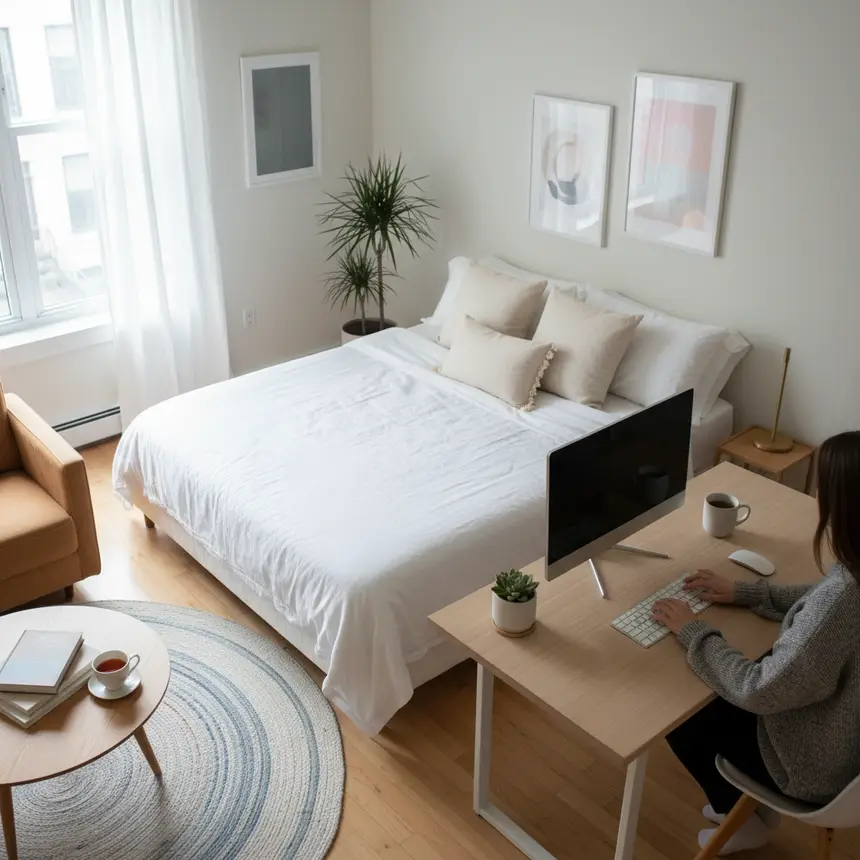
Struggling with dampness in your solo apartment even in chilly winter? Discover practical tips to identify and effectively manage indoor humidity, from condensation to poor ventilation, creating a pleasant and healthy living environment.

Unmasking Winter's Unseen Foe: Dampness in Your Solo Living Space
Many of us associate winter with dry air, yet surprisingly, our solo apartments can often feel unexpectedly damp. That clammy floor underfoot, a musty smell greeting you in the morning, or condensation clinging to windows – these are common signs of apartment humidity. Far from just being an annoyance, persistent dampness can impact your well-being and the cleanliness of your home. The primary culprits behind this seasonal winter humidity are usually condensation from temperature differences and insufficient ventilation during colder months, both of which hinder proper indoor humidity management.
- Understanding Condensation: This occurs when warm, moist indoor air meets colder surfaces like exterior walls or windows. The water vapor in the air then turns into liquid droplets, often collecting on floors or walls. This highlights the importance of condensation prevention for a truly pleasant environment.
- The Ventilation Challenge: When temperatures drop, we naturally keep windows closed, trapping moisture from daily activities like cooking, showering, or even breathing. This trapped vapor then settles on cooler surfaces, exacerbating the dampness and often leading to stale indoor air. Such conditions contribute heavily to winter humidity issues.

Smart Solutions for a Dry Home: Practical Habits for Solo Dwellers
Achieving effective indoor humidity management doesn't require expensive gadgets or complex renovations. With a few simple, consistent habits, you can significantly improve your living environment. Here are actionable strategies to maintain a truly pleasant environment.
1. Embrace Regular, Brief Ventilation: Even when it's cold, make it a habit to open your windows wide for at least 10 minutes, twice a day – ideally in the morning and evening. Maximizing airflow by opening multiple windows to create a cross-breeze is key. Setting a timer can help you stay consistent and effectively tackle apartment humidity.
2. Strategic Surface Drying with Alcohol: Instead of a wet mop, use a dry cloth sprayed with a diluted alcohol solution to wipe down damp floors or walls. Alcohol evaporates quickly, leaving surfaces dry and preventing stickiness and potential mold growth. A 70% alcohol-to-water ratio is generally effective for proactive indoor humidity management.
3. Deploy Absorbents in Vulnerable Spots: Place commercial moisture absorbers or even crumpled newspapers in areas prone to dampness, such as inside closets, shoe racks, or behind furniture. Newspapers are surprisingly effective and should be replaced regularly to aid in winter humidity control.
4. Integrate Moisture Control into Daily Routines:
1. Embrace Regular, Brief Ventilation: Even when it's cold, make it a habit to open your windows wide for at least 10 minutes, twice a day – ideally in the morning and evening. Maximizing airflow by opening multiple windows to create a cross-breeze is key. Setting a timer can help you stay consistent and effectively tackle apartment humidity.
2. Strategic Surface Drying with Alcohol: Instead of a wet mop, use a dry cloth sprayed with a diluted alcohol solution to wipe down damp floors or walls. Alcohol evaporates quickly, leaving surfaces dry and preventing stickiness and potential mold growth. A 70% alcohol-to-water ratio is generally effective for proactive indoor humidity management.
3. Deploy Absorbents in Vulnerable Spots: Place commercial moisture absorbers or even crumpled newspapers in areas prone to dampness, such as inside closets, shoe racks, or behind furniture. Newspapers are surprisingly effective and should be replaced regularly to aid in winter humidity control.
4. Integrate Moisture Control into Daily Routines:
- After showering, always leave the bathroom door open and run the exhaust fan for a while to quickly dispel steam, contributing to pleasant environment conditions.
- When drying laundry indoors, hang items near a window or, if possible, open the window slightly to encourage air circulation. This helps maintain a pleasant environment.
- Always use your kitchen hood when cooking to extract both steam and odors.
※ This post contains affiliate links. I may earn a commission at no extra cost to you.


The Joy of a Dry Apartment: Big Impact from Small Efforts
Consistently applying these indoor humidity management techniques will undoubtedly lead to a noticeably improved, pleasant environment in your apartment. For instance, my routine involves opening windows for ventilation each morning and running the bathroom fan before heading out. I always activate the kitchen hood while cooking, and in the evening, I lightly wipe down any damp floor or window areas with an alcohol solution to combat winter humidity. Regularly replacing newspaper in moisture-prone spots is also part of it, offering crucial condensation prevention.
While it might feel like an extra step initially, these small habits cumulatively transform the air quality in my apartment, reducing that unpleasant stickiness and easing worries about mold. Crucially, they play a significant role in condensation prevention, which is a primary cause of damp patches on floors and walls. The comfort of a dry indoor space goes beyond mere cleanliness; it significantly enhances overall quality of life. Consistent, mindful effort is the foundation for a healthier and happier solo living experience, especially in managing apartment humidity.
While it might feel like an extra step initially, these small habits cumulatively transform the air quality in my apartment, reducing that unpleasant stickiness and easing worries about mold. Crucially, they play a significant role in condensation prevention, which is a primary cause of damp patches on floors and walls. The comfort of a dry indoor space goes beyond mere cleanliness; it significantly enhances overall quality of life. Consistent, mindful effort is the foundation for a healthier and happier solo living experience, especially in managing apartment humidity.
Frequently Asked Questions
Q. Why does my apartment get humid in winter?
A. Winter humidity is primarily caused by condensation due to the temperature difference between warm indoor air and cold exterior surfaces, along with reduced ventilation in colder weather. Moisture from daily activities gets trapped and condenses on cooler surfaces or settles on the floor.
Q. Are there any precautions when using alcohol for cleaning?
A. Yes, alcohol is flammable, so avoid using it near open flames or heat sources. Always dilute it with water, and it's advisable to test a small, inconspicuous area first, especially on delicate furniture or flooring materials, to prevent damage.
Q. How often and for how long should I ventilate my apartment in winter for it to be effective?
A. For effective winter ventilation, aim for at least two times a day, in the morning and evening, for more than 10 minutes each time. It's most effective to open multiple windows simultaneously to create a cross-breeze, rapidly exchanging the indoor air with fresh air.
Q. Besides commercial dehumidifiers or newspapers, are there other ways to reduce humidity?
A. Yes, natural absorbents like charcoal or used coffee grounds can be placed in damp areas to help. Additionally, carefully chosen indoor plants can sometimes regulate humidity, and maintaining a consistently warm indoor temperature can help reduce condensation.
Q. I've found mold in my apartment; what should I do?
A. For small mold spots, you can wipe them with a diluted alcohol solution or a commercial mold remover on a dry cloth. Immediately dry the affected area and address the root cause of the humidity to prevent recurrence. For severe mold issues, it's best to seek professional help.