The ultimate laundry guide for solo dwellers! Discover expert tips for washing, drying, and organizing your clothes when living alone. Keep your wardrobe neat and your outfits wrinkle-free for a more efficient and enjoyable solo living experience.

Embracing Solo Living Without Laundry Woes
Moving into your own space for the first time is often an exciting chapter, a step towards independence. However, the reality of managing daily chores can quickly set in, and for many solo dwellers, laundry often emerges as a significant challenge. Questions about how to properly wash clothes, why garments always come out wrinkled after drying, or how to neatly store them can feel overwhelming. This initial confusion can lead to procrastination, creating a cycle where you either run out of clean clothes or feel buried under a mountain of unorganized laundry. But fret not! With a few fundamental principles, you can master effective solo laundry habits and maintain a polished wardrobe effortlessly.

Say Goodbye to Laundry Disasters!
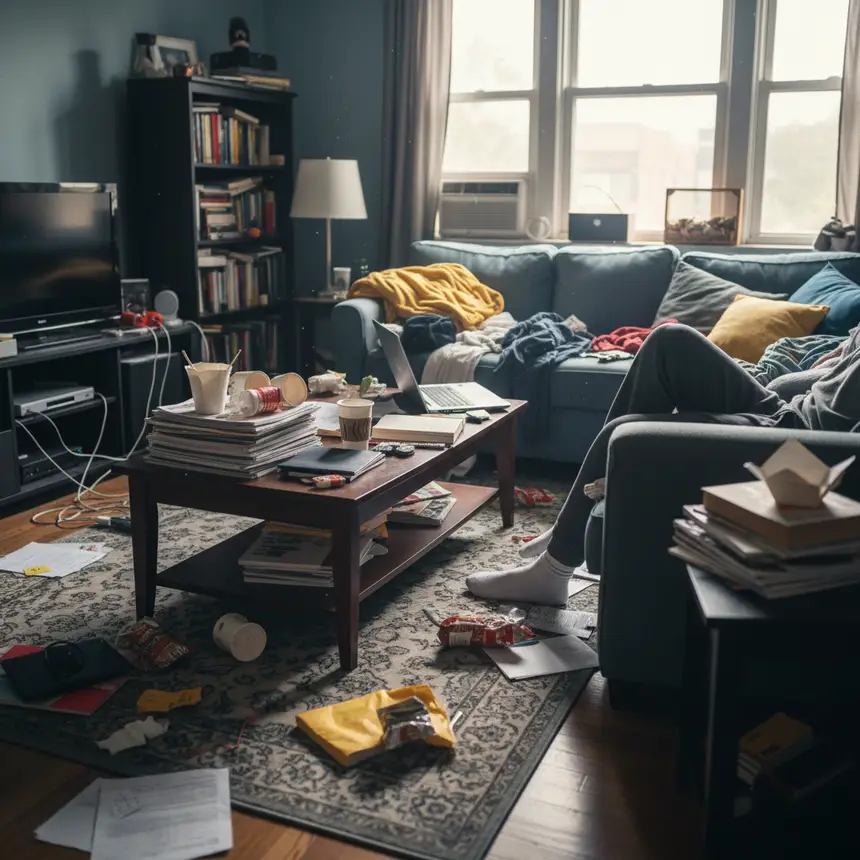
The laundry dilemmas faced by new independent residents are more varied than one might expect. From colors bleeding onto white garments and clothes shrinking or stretching, to damp items that never fully dry, and wardrobes that become a chaotic mess no matter how meticulously you fold, these scenarios underscore that laundry is more than just running a washing machine; it's a vital aspect of home management. Solo inhabitants, often dealing with smaller loads, might accidentally damage fabrics or alter colors by washing different materials and hues together. Drying can also be problematic due to limited space, causing clothes to overlap and remain damp, or developing unsightly hanger marks. These common pitfalls contribute to laundry anxiety, leading to sighs of despair over ever-growing piles of clothes.
※ This post contains affiliate links. I may earn a commission at no extra cost to you.


Clever Washing Habits for Longer-Lasting Clothes
Even a few preparatory steps before washing can significantly minimize fabric damage and boost laundry efficiency. Primarily, it's crucial to sort your laundry by color and fabric type. Dark-colored clothes prone to bleeding and delicate items (like silk or knits) should ideally be washed separately or hand-washed. For stained garments, pre-treat the soiled areas with a spot cleaner before washing for a more thorough clean. When using a washing machine, the key is to avoid overloading it; filling the drum about 70% allows sufficient water and detergent circulation for effective cleaning and reduces wear and tear on your clothes. Select the appropriate wash cycle—standard, delicate, or wool—based on the fabric type, and use cold or lukewarm water for most garments to prevent shrinkage and distortion. After the wash cycle, try to remove clothes promptly from the machine to dry, preventing mildew or stubborn wrinkles.

Maximizing Space with Smart Drying and Organizing Techniques
In a compact living space, efficient drying and storage of laundry are essential life skills. When hanging clothes on a drying rack, ensure adequate space between items for proper air circulation; avoid overcrowding. Thicker items like jeans dry faster if turned inside out. To prevent wrinkles, give clothes a good shake right after washing to smooth them out before hanging. For items requiring hangers, use wide-shouldered or non-slip hangers to maintain garment shape, and lay knitwear flat on a drying rack to prevent stretching. Once clothes are dry, fold and put them away immediately to keep your space tidy. T-shirts and pants can be folded using a 'vertical storage' method, which saves space in drawers or wardrobes and makes items easy to find. Small items like socks and underwear are best kept in separate organizers for improved efficiency. By adopting these organizing methods, preparing for a neat outfit becomes considerably simpler.

Achieve a Polished Solo Life with Pristine Clothes
What might initially seem like a daunting task, solo laundry eventually becomes a manageable routine, developing into your own personalized system over time. From sorting clothes and operating the washing machine correctly, to efficient drying and space-saving folding techniques, each step is a valuable lesson in managing an independent life. A neatly organized wardrobe and readily available clean clothes will add a touch of satisfaction and confidence to your daily routine. Your appearance is a significant factor in first impressions and a way to express yourself. Take these tips and discover your own ideal laundry management methods. Even small changes in your habits can enrich and elevate your solo living experience. Why not tackle that overflowing laundry basket right now?
Frequently Asked Questions
Q. What's the best way to hand wash clothes if I don't have a washing machine?
A. Fill a basin with lukewarm water, add a mild detergent, and let the clothes soak for 5-10 minutes. Gently agitate and then rinse thoroughly to remove all suds. When squeezing out water, avoid twisting; instead, press the garment between towels to minimize fabric damage.
Q. How can I remove food odors from my clothes?
A. When washing, add a small amount of white vinegar instead of fabric softener, or hang clothes in a sunny spot to dry after washing. Soaking clothes with odors in a solution of water and baking soda can also be effective.
Q. My clothes always come out wrinkled. Should I iron them immediately after drying?
A. To prevent wrinkles, gently shake and smooth out clothes before hanging them to dry. Fold them promptly once dry. If ironing is not feasible, lightly mist clothes with water and hang them on a hanger; the creases may naturally relax as they dry.
Q. My towels feel stiff after washing. How can I keep them soft?
A. Avoid using fabric softener on towels. Instead, add a tablespoon or two of white vinegar during the wash cycle to help maintain softness. When drying, shake them vigorously before hanging, and if using a dryer, opt for a low heat setting.
Q. Is it okay to run the washing machine with a very small load?
A. Running a washing machine with very few items can be inefficient in terms of electricity and water usage. It's more effective to either use laundry balls or combine the small load with other similar items to fill the drum about 70%. Alternatively, use a small load or economy cycle if your machine has one.