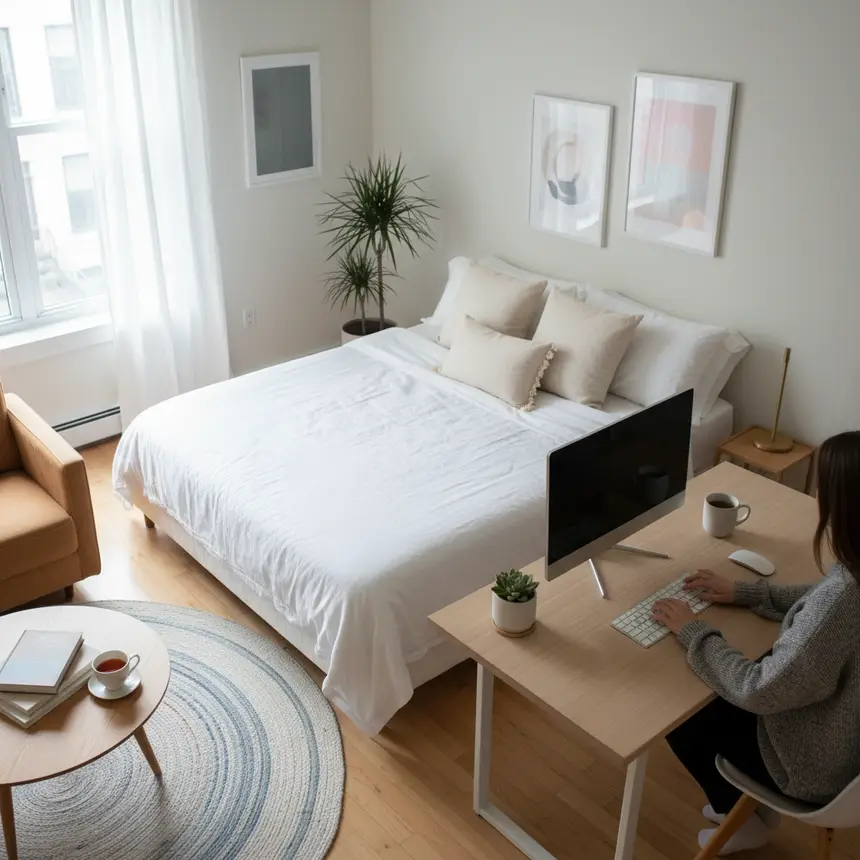
Struggling to maintain a balanced diet while living alone? Discover practical meal prep tips and ingredient management hacks to transform your kitchen efficiency. Say goodbye to mealtime stress and hello to healthy, delicious dishes, even on your busiest days!

The Solo Dweller's Dilemma: Balancing Time and Healthy Eating
Embracing the freedom of solo living often comes with the practical challenge of managing everything independently. For many, maintaining a healthy diet amidst a demanding schedule feels like a constant struggle. After a long day, facing an empty fridge or resorting to takeout and convenience foods becomes a familiar routine. This pattern can quickly lead to increased food expenses and nutritional imbalances, potentially impacting your well-being. However, with a smart approach, it's entirely possible to enjoy nutritious and delicious meals without compromising your busy schedule. By adopting efficient meal prep and strategic home management techniques, you can effectively save time and achieve a balanced diet for a healthier, more fulfilling lifestyle.

Smart Meal Prepping: Maximizing Kitchen Efficiency
Consistent healthy eating requires a structured approach, and meal prepping is an effective time saving solution for this challenge. By preparing and cooking ingredients in advance during your leisure time, you can ensure nutritious meals are readily available even on hectic weekdays. Here’s how to maximize your kitchen efficiency with smart meal prep strategies:
1. Plan Your Weekly Menu: Outline your meals for the week and create a shopping list. Look for versatile ingredients that can be used in multiple dishes to optimize your efforts.
2. Pre-Process Ingredients: Wash and chop vegetables according to their intended use. For instance, dice vegetables into 5-7mm cubes for stews or 1cm chunks for stir-fries, making them suitable for various recipes. Also, trim and portion meats or fish before storage.
3. Prepare Base Components: Cook foundational ingredients that can serve as a base for different meals, such as seasoned ground meat or caramelized onions. Preparing a flavorful broth in bulk is also an excellent idea for quick soup preparations.
4. Portion and Store Properly: Divide cooked meals or prepped ingredients into individual portions using airtight containers. It's generally best to consume refrigerated items within 2-3 days; for longer storage, freezing is recommended.
1. Plan Your Weekly Menu: Outline your meals for the week and create a shopping list. Look for versatile ingredients that can be used in multiple dishes to optimize your efforts.
2. Pre-Process Ingredients: Wash and chop vegetables according to their intended use. For instance, dice vegetables into 5-7mm cubes for stews or 1cm chunks for stir-fries, making them suitable for various recipes. Also, trim and portion meats or fish before storage.
3. Prepare Base Components: Cook foundational ingredients that can serve as a base for different meals, such as seasoned ground meat or caramelized onions. Preparing a flavorful broth in bulk is also an excellent idea for quick soup preparations.
4. Portion and Store Properly: Divide cooked meals or prepped ingredients into individual portions using airtight containers. It's generally best to consume refrigerated items within 2-3 days; for longer storage, freezing is recommended.
※ This post contains affiliate links. I may earn a commission at no extra cost to you.


Transforming Your Table: The Impact of Meal Prepping on Solo Life
The most significant benefit of integrating efficient meal prep into your routine is the newfound sense of ease and time saving. Returning home after a long day, instead of facing a daunting kitchen, you'll find prepped ingredients waiting, significantly reducing stress. For example, a warm, nutritious meal can be ready in under 10 minutes by simply adding pre-chopped vegetables and cooked protein like chicken or mushrooms to a simmering pre-made broth. This embodies the essence of an easy recipe that’s perfectly suited for a busy schedule.
Meal prepping goes beyond just saving time; it encourages you to listen more attentively to your body's hunger cues. Having healthy options readily available helps prevent overeating or reaching for unhealthy snacks, and the act of preparing your own meals fosters a sense of accomplishment and satisfaction. While it might seem a bit cumbersome at first, you'll quickly adapt. Starting today, these small changes in your kitchen can lead to a more enriching, healthier, and balanced solo living experience.
Meal prepping goes beyond just saving time; it encourages you to listen more attentively to your body's hunger cues. Having healthy options readily available helps prevent overeating or reaching for unhealthy snacks, and the act of preparing your own meals fosters a sense of accomplishment and satisfaction. While it might seem a bit cumbersome at first, you'll quickly adapt. Starting today, these small changes in your kitchen can lead to a more enriching, healthier, and balanced solo living experience.
Frequently Asked Questions
Q. What's the best starting point for a beginner meal prepper living alone?
A. Begin with simple ingredients that are versatile and easy to prepare, such as cooked chicken breast, vegetable sticks, or hard-boiled eggs. Once comfortable, you can gradually move on to pre-made stir-fry bases, pasta sauces, or simple soup broths.
Q. How long can I safely store my prepped ingredients and meals?
A. For optimal freshness and safety, it's best to consume refrigerated prepped meals within 2-3 days. Cooked components can often last 3-4 days, but for longer storage, freezing individual portions is highly recommended.
Q. Any tips for making meal prep less time-consuming overall?
A. Dedicate a specific time once a week for batch cooking, utilize versatile ingredients, and make the most of appliances like air fryers or ovens. Preparing larger quantities that can be divided into several meals also significantly cuts down on prep time.
Q. Is it hard to maintain nutritional balance with a meal prep routine?
A. Not at all, if you plan thoughtfully. Ensure your meal plans include a good mix of carbohydrates, proteins, healthy fats, and a variety of nutrient-rich vegetables. Combining whole grains, lean meats, and diverse produce will help you achieve a balanced diet.
Q. How can I keep my meal prep exciting and avoid flavor fatigue?
A. Vary your sauces and seasonings even if using the same base ingredients, or experiment with different cooking methods. For example, you can grill, stir-fry, or boil chicken breast to keep your meals interesting and prevent boredom.