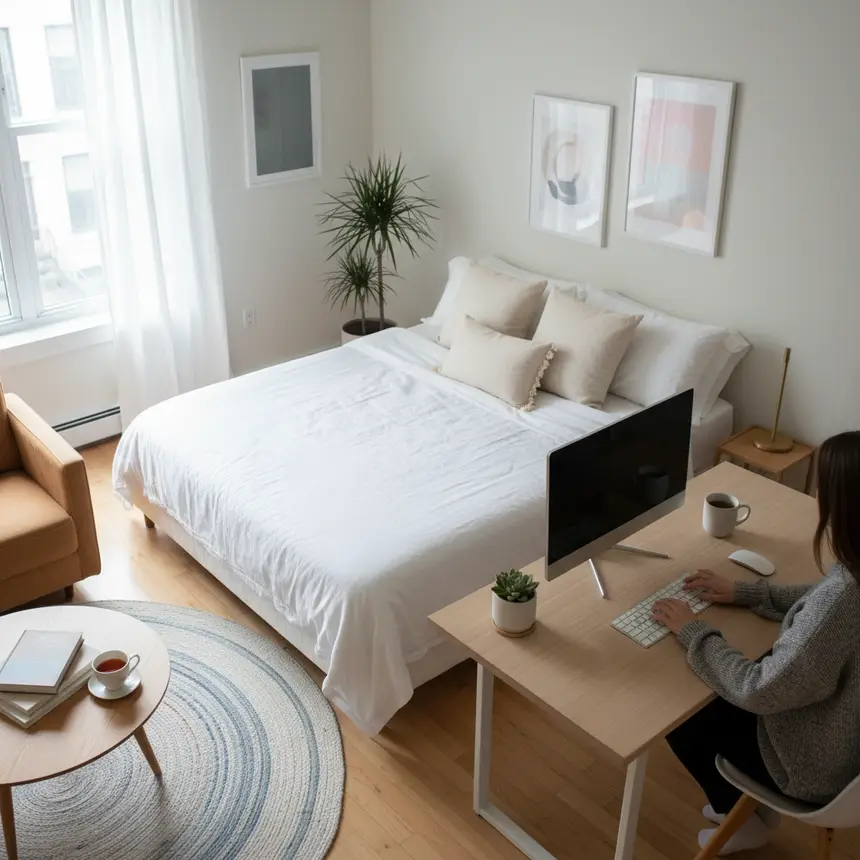
Don't let damp apartment mold get you down. Discover the causes of respiratory-threatening mold, safe removal methods, and essential daily habits to prevent its return. Practical moisture control tips for every renter.

The Battle Against Mold in Your Small Apartment
For many starting their independent journey, the dream of a personal space often comes with an unexpected foe: mold. In compact living arrangements like studio apartments or dorms, where ventilation can be tricky and humidity levels fluctuate, fighting off this unwelcome guest becomes a recurring challenge. Beyond the unsightly stains, mold spores can drift into the air, irritating our respiratory systems and potentially leading to allergies or asthma. Ignoring mold can lead to its rapid spread, making removal harder and causing damage to furniture and walls. Recognizing mold early and acting swiftly is key to protecting both your home and your health.

Where Does Apartment Mold Come From?
Mold thrives in damp, warm, and poorly ventilated environments. Understanding the main causes of mold growth in your apartment can help you prevent and remove it more effectively.
- High Indoor Humidity: Seasonal changes, like humid summers or condensation from heating in winter, create moisture on windows and walls, inviting mold.
- Insufficient Ventilation: Small apartment spaces often lack adequate airflow. If windows aren't opened regularly, stale air accumulates moisture.
- Daily Habits: Everyday activities contribute to indoor humidity. Cooking without proper ventilation, drying laundry indoors, or leaving the bathroom door closed after a shower can all raise the moisture content in your living space.
- Vulnerable Areas: Window sills, tile grout in bathrooms, the backs of furniture, and any areas that stay damp or don't get much sunlight are prime spots for mold. Older buildings with poorer insulation are particularly susceptible.
※ This post contains affiliate links. I may earn a commission at no extra cost to you.


Smart Mold Removal: Wise Choices for Renters
When tackling mold, prioritizing safe and effective methods is crucial, especially for those with respiratory sensitivities or pets.
- Choose Application Methods That Prevent Airborne Spread: Spray-type cleaners can release fine particles into the air, posing inhalation risks. Opt for gel or paste-form removers that you can apply directly to the affected area. This method helps to contain the cleaning agents, minimizing their spread into the air and protecting your respiratory health.
- Utilize Specialized Tools for Nooks and Crannies: Mold often hides in tight spots like window silicone seals or tile grout lines, where a regular cloth can't reach. Using small brushes, cotton swabs, or tools with replaceable heads can help you scrub these areas thoroughly. For hygiene, clean or replace these tools after each use.
- Swift and Efficient Removal: Look for products that allow for quick removal rather than requiring long waiting times. Apply the product, scrub, and wipe away. After removal, ensure you thoroughly wipe down the area with a clean, damp cloth to remove any residue, and then ventilate the space to dry it completely and clear any lingering odors.
- Prioritize Safe Ingredients: Always check the ingredient list of cleaning products. Products certified free from harmful chemicals or those with low-irritant formulations are safer choices, especially in households with children or pets. Low-odor products also contribute to better indoor air quality post-cleaning.

Your Daily Routine for a Mold-Free Apartment
Preventing mold from returning is as important as removing it. Adopting a few simple daily habits can help maintain a fresh and healthy living space.
- 10 Minutes a Day for Effective Ventilation: Open your windows 2-3 times a day for at least 10 minutes each time. During winter, turn off your heating before opening windows to release humid indoor air and bring in fresh air. Opening windows on opposite sides of the room creates a cross-breeze for better airflow.
- Targeted Management of High-Moisture Areas: After showering, run the exhaust fan and open the bathroom door or window to clear steam; make sure to spread out shower curtains to dry. When cooking, use ventilation and wipe up spills immediately. Promptly wipe away any condensation on window sills to prevent mold. Place desiccants or crumpled newspaper in wardrobes to absorb moisture, and open wardrobe doors occasionally to air them out.
- Thoughtful Furniture Placement: Avoid pushing furniture flush against walls, especially exterior ones, as this obstructs airflow and can create hidden pockets for mold. Leave at least a few inches between furniture and walls to allow air to circulate.

Achieving a Healthy, Comfortable Apartment Life is Within Your Reach
A mold-free apartment is more than just a clean space; it's a fundamental aspect of a healthy and high-quality lifestyle. Even in a small living area, consistent attention and effort can create a wonderfully fresh and wholesome environment. The feeling of breathing clean air and starting your day in an organized space is invaluable. Why not begin today with a small ventilation habit or a quick moisture-check routine? Your efforts will accumulate, leading to a healthy, mold-free apartment life. The more you care for your space, the better your daily life will become.
Frequently Asked Questions
Q. Why does mold seem to grow more frequently in apartments compared to other homes?
A. Apartments are often smaller, making ventilation challenging, and they might have poorer insulation. Additionally, daily activities like drying laundry indoors or cooking contribute significantly to indoor humidity, creating an ideal environment for mold growth.
Q. What precautions should I take when using mold removers?
A. Always use mold removers in a well-ventilated area, and wear gloves and a mask to prevent skin contact or inhalation. Gel or paste-type products might be safer than sprays, which can disperse fine particles into the air. After use, ensure thorough ventilation to clear any residual chemicals or odors.
Q. What's the most effective way to remove stubborn mold embedded in window silicone?
A. Mold in window silicone often penetrates deeply, not just on the surface. Apply a gel or paste-form mold remover directly to the silicone, allowing it to adhere, then scrub thoroughly with a small brush or cotton swab. After cleaning, wipe the area completely dry and keep it well-ventilated to prevent recurrence.
Q. What habits should I adopt to prevent mold from returning after removal?
A. Regular ventilation is key. Open windows 2-3 times daily, even if just for a short period, to circulate air. Always ventilate after showering or cooking, and promptly wipe away any condensation on window sills or walls. Also, leave a small gap between furniture and walls to promote air circulation.
Q. Can I use mold removers if I have children or pets at home?
A. If you have children or pets, it's essential to choose safer mold removers. Look for products certified free from harmful chemicals, those with low-irritant ingredients, or gel-type products that minimize airborne spread. Always apply when children or pets are out of the area, and ensure the space is thoroughly ventilated afterward.