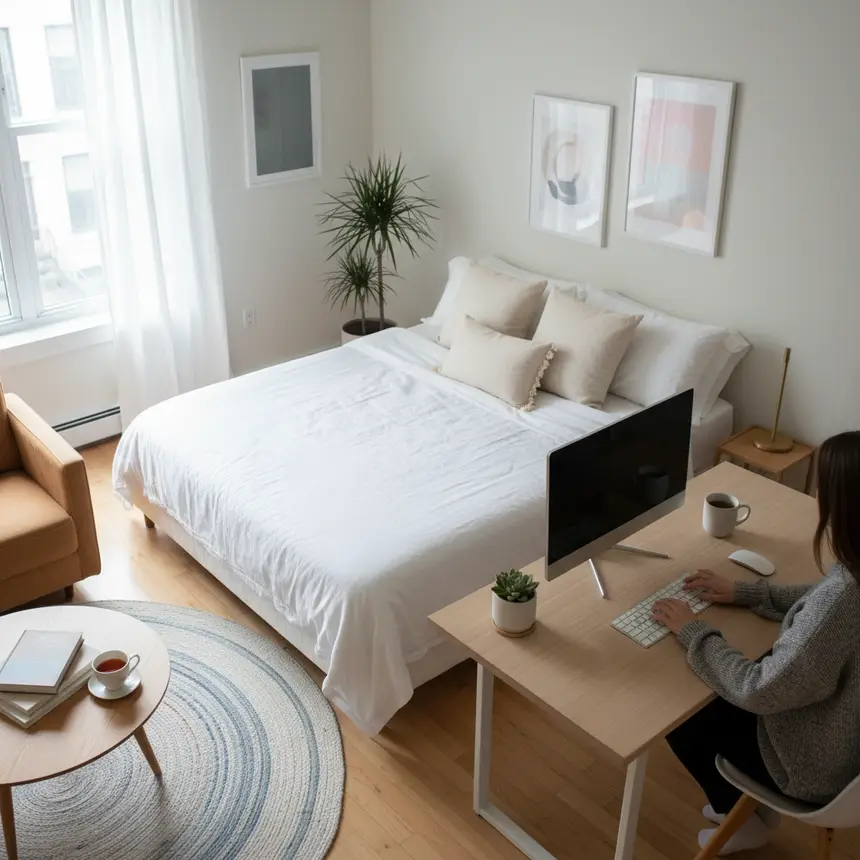
Struggling with studio apartment management? Discover practical tips to efficiently organize your compact space and minimize food waste. Learn how to cultivate a tidy and economical living experience starting today.

Why Your Studio Apartment Always Feels Overwhelmed
Embracing the freedom of living independently in a studio apartment is often exciting, but it quickly introduces a set of practical challenges. Managing a small living space is a common hurdle for many. As time passes, the accumulation of belongings and disarray in your home can easily become a source of daily stress. You might find clothes piling up in the corner of your closet that you never wear, or discover forgotten groceries nearing their expiration date on kitchen shelves. These situations can feel like a tangled ball of yarn, leaving you unsure where to begin untangling. A cluttered small space not only creates visual discomfort but also wastes your precious time by making it difficult to find what you need. For instance, imagine coming home after a long day, ready to cook dinner, only to lose all motivation when faced with a chaotic refrigerator where ingredients are mixed up and hard to locate. These issues extend beyond mere physical inconvenience, often leading to mental fatigue and a diminished sense of peace in your own sanctuary.

The Core Reasons Behind Your Apartment's Disarray
The chaos in a studio apartment typically stems from three main factors. First, a lack of consistent organizational habits. Most individuals aren't explicitly taught how to organize, so routines like putting items back in their designated spots or regularly decluttering might be underdeveloped. For example, simply tossing groceries into the fridge after a shopping trip, or draping clothes over a chair instead of hanging them up, are small actions that build into significant disorder over time. If you haphazardly store more than six different types of ingredients in your fridge at once without a plan, it becomes incredibly difficult to track what you have and how much is left, inevitably leading to waste. Second, limited space utilization skills. Studio apartments are inherently small, meaning storage solutions are often inadequate. This frequently leads to stacking items or leaving them on the floor, creating a cycle where the space feels even smaller. Finally, an absolute shortage of time. Amidst demanding work or academic schedules, finding the physical time to dedicate to tidying and cleaning can feel impossible. The thought, "I'll do it later," invariably results in accumulated chores that only create greater burden. It is this complex interplay of habits, space, and time that makes effective studio apartment management so challenging.
※ This post contains affiliate links. I may earn a commission at no extra cost to you.


Practical Strategies for an Efficient Studio Apartment
Transforming a cluttered studio into a serene and functional living space is more attainable than you might think. Significant improvements can be made by adhering to a few straightforward principles. Firstly, cultivate the habit of assigning a 'home' to every item and returning it there after use. This means, for instance, hanging clothes immediately after wearing them or placing them in the laundry basket, and washing dishes right after a meal. This is the most fundamental way to prevent items from accumulating. Secondly, embrace the art of periodic decluttering. It's beneficial to set aside time, perhaps quarterly or once a month, to sort through and clear out unnecessary items. When organizing clothes or miscellaneous belongings, try applying a simple rule: "If I haven't used it in the past six months, it's likely I won't use it in the future," and practice letting go of things you don't need. This act of clearing space is akin to 'fridge foraging,' where you use up ambiguous ingredients to create new meals; by emptying out, you open up new possibilities for how your space can be utilized. Thirdly, maximize storage efficiency by utilizing vertical space. In a compact apartment, actively using wall space and the back of doors is crucial. Opt for vertical shelving units or add additional shelves to store items upwards instead of stacking them horizontally. This can effectively double your usable space. Minimizing items on the floor will clear pathways, making your studio feel much more open and orderly.

Essential Habits for Sustainable Studio Apartment Tidiness
Effective studio apartment management is not a one-time event but rather the result of consistent effort. Here are a few practical tips to help you maintain these efforts. First, implement the '15-minute rule.' Investing just 15 minutes each night before bed to tidy your space can make a remarkable difference. This brief period, used for light cleaning or returning misplaced items, will allow you to wake up to a much fresher environment the next morning. For example, by applying a tip like organizing leftover food in clear containers so you can see everything at a glance, you can prevent unnecessary re-purchases and potentially reduce food waste by approximately 20% annually. Second, aim for a minimalist approach by bringing in only what you truly need. It's important to develop the habit of asking yourself, 'Do I really need this?' before purchasing new items. This fundamentally prevents the accumulation of unnecessary belongings. Third, integrate cleaning and organizing routines into your daily life. For instance, wiping down the bathroom after showering or tidying the dining table immediately after meals reduces the burden by making these tasks a natural extension of your daily activities. Studio apartment management is about more than just creating a pleasant environment; it's a vital process that enhances mental well-being and improves your overall quality of life. Start with small changes today to cultivate your own clean and efficient living space.
Frequently Asked Questions
Q. My studio is so small that organizing doesn't seem to make a difference. Are there any effective storage tips?
A. In small spaces, utilizing 'vertical space' is key. Use wall-mounted shelves, over-the-door organizers, and under-bed storage to free up floor space and create a sense of openness. Storing items upright instead of stacked will also make the area look much neater.
Q. Managing food in my fridge is always a struggle. How can I reduce waste?
A. When organizing your fridge, adhere to the 'first-in, first-out' principle and use clear containers to easily see contents at a glance. Additionally, designate specific zones for certain ingredients on shelves or in the door, and set a weekly 'fridge foraging' day to use up leftover items.
Q. I feel too overwhelmed to start cleaning and organizing. How can I find motivation?
A. Try approaching cleaning and organizing as a 'game.' Put on your favorite music, set a timer for 15 minutes, and focus on tidying just one small area during that time. Experiencing a small sense of accomplishment can motivate you to tackle the next task.
Q. I want to break my habit of buying too many things. What's a good strategy?
A. Practice the '3-day rule' before making purchases. If you want to buy something new, don't buy it immediately. Take 3 days to consider if you truly need it and if you have space for it in your home. This helps reduce impulse buying and fosters more mindful consumption habits.