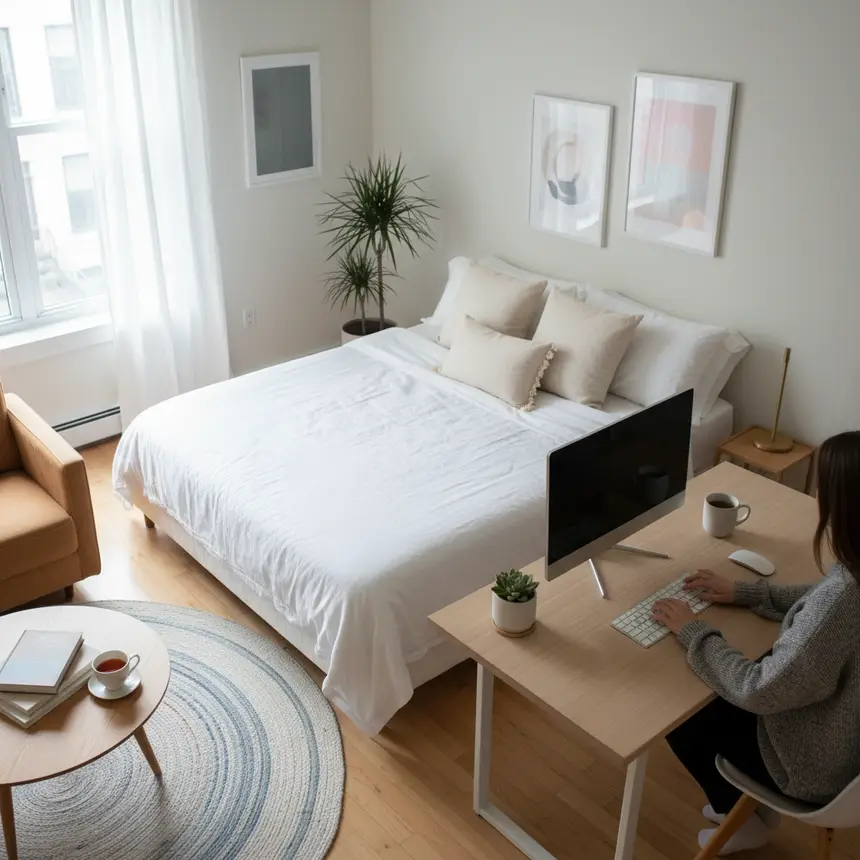
Discover simple cooking tips to stay healthy even in a busy solo life. Learn efficient meal management hacks for solo dwellers to save both time and nutrition.

Is Mealtime a Constant Challenge in Your Busy Solo Life?
For anyone living alone, the struggle to prepare a proper meal after a long, hectic day is a familiar one. While takeout and instant meals offer convenience, relying on them daily can lead to health concerns and financial strain. Cooking from scratch often feels daunting due to lack of time and complicated recipes. However, maintaining a healthy diet is crucial for enhancing the quality of solo living. The key lies in mastering 'easy solo meals' – quick, simple recipes that don't compromise on nutrition. This article aims to share practical tips for effortless cooking and developing healthy eating habits, allowing you to maximize satisfaction with minimal effort.

Solutions for Those Overwhelmed by Complex Cooking
What makes cooking so challenging for many living solo? A primary factor is undoubtedly 'lack of time.' The entire process of grocery shopping, ingredient preparation, and cooking after a tiring day can feel like a major project. Managing small quantities of ingredients also poses a challenge; seeing forgotten produce spoil in the fridge often discourages future cooking attempts. Intricate recipes seem impossible to tackle, leading many to resort to less healthy convenience foods or delivery options. This recurring pattern can disrupt long-term health. Yet, these issues are not insurmountable. With efficient time management and savvy ingredient utilization techniques for simple meals, a healthy solo lifestyle is entirely achievable.
※ This post contains affiliate links. I may earn a commission at no extra cost to you.


Maximizing Satisfaction with Minimal Effort: Smart Ingredient Use
The first step towards a healthy and convenient diet begins with 'ingredient management.' A refrigerator stocked with a variety of colorful vegetables and proteins provides vital nutrients that energize our bodies. For instance, certain types of mushrooms are packed with beneficial nutrients like beta-glucans for immune support and polyphenols for antioxidant activity. Pre-preparing these vegetables can significantly reduce cooking time. Simply wash them, remove excess water, chop them into desired sizes, and store them in airtight containers. This is similar to having minced garlic or chopped onions ready for cooking. Furthermore, utilizing basic seasonings is essential for enhancing the natural flavors of your ingredients. A few staples like salt, pepper, minced garlic, and sesame oil can create wonderfully delicious dishes. Rather than buying large quantities, it's wiser to plan your meals for the week and purchase only what you need, which helps reduce food waste.

A Solo Dweller's Routine for Quick & Healthy Meals
Now for the practical application. Convenient solo meals prioritize minimizing complex cooking steps. Here's a simple routine to prepare a quick and healthy meal:
- 1. Prepare Ingredients: Take out your pre-prepped vegetables and proteins (eggs, tofu, chicken breast, etc.). Having all ingredients visible and ready is the starting point.
- 2. Basic Cooking: Heat a pan with a small amount of cooking oil, then add minced or sliced garlic to infuse flavor. This step significantly enhances the dish's aroma. Once the garlic is fragrant, add your prepared vegetables and protein and begin stir-frying.
- 3. Seasoning and Adjustments: Season with salt, and add pepper or soy sauce to taste. Utilize the natural moisture from the vegetables to ensure even cooking over medium heat, preventing burning. Just as some dishes appear dry but release moisture as they cook, patience is key to ensuring everything is thoroughly cooked. Instead of adding more oil if it seems dry, monitor the pan's temperature and moisture levels.
- 4. Finish and Diversify: Once ingredients are nicely browned, turn off the heat and add a few drops of sesame oil for a nutty flavor. Finish with a sprinkle of sesame seeds. This simple dish can be enjoyed over warm rice as bibimbap, as a salad topping, or even as a sandwich filling, offering versatility that keeps your meals exciting and prevents monotony. Consider designating one day a week as 'Easy Meal Day' to try new simple recipes.

Healthy Eating Habits: Fueling Positive Change in Solo Living
A simple yet nutritious diet does more than just fill your stomach; it positively impacts your entire solo living experience. Regular, healthy meals provide essential energy, which can boost academic or work productivity. Moreover, the small sense of accomplishment gained from cooking for yourself builds self-esteem and enhances overall life satisfaction. There's no need to attempt elaborate gourmet dishes from the start. Begin with the 'easy meals' we've discussed – quick and healthy options. These small habits will gradually cultivate a richer and healthier solo life. Remember that healthy eating is a vital act of self-care. Why not embark on your first healthy cooking adventure today?
Frequently Asked Questions
Q. What are some realistic tips for eating healthy amidst a busy schedule?
A. Planning your weekly meals in advance and pre-chopping vegetables or proteins for portioning on weekends can significantly reduce cooking time during weekdays. Learning simple recipes that utilize air fryers or microwaves is also very helpful.
Q. What are some tips for keeping ingredients fresh for longer?
A. After washing vegetables, ensure they are completely dry before wrapping them in paper towels and storing them in airtight containers. Portion meat and fish into single servings and freeze them. It's also important to understand your refrigerator's temperature zones to store items in appropriate places.
Q. Are there basic seasoning methods that cooking beginners can easily follow?
A. Most dishes can be adequately seasoned with just salt, pepper, and minced garlic. For stir-fries, adding a tablespoon or two of soy sauce can enhance umami flavor, and having pre-made soybean paste or gochujang-based marinades can add convenience.
Q. Do you have tips for utilizing leftover ingredients wisely to avoid waste?
A. Leftover vegetables can be used in stews, fried rice, or to make soup stock. Fruits can be turned into smoothies or jams, and leftover bread can be made into croutons or French toast.
Q. What is the secret to balancing nutrition in convenient meals?
A. It's important to aim for a balanced meal including carbohydrates (rice, noodles), protein (meat, tofu, eggs), and vegetables (various colored vegetables). Any missing nutrients can be supplemented with simple additions like fruit, dairy products, or nuts.