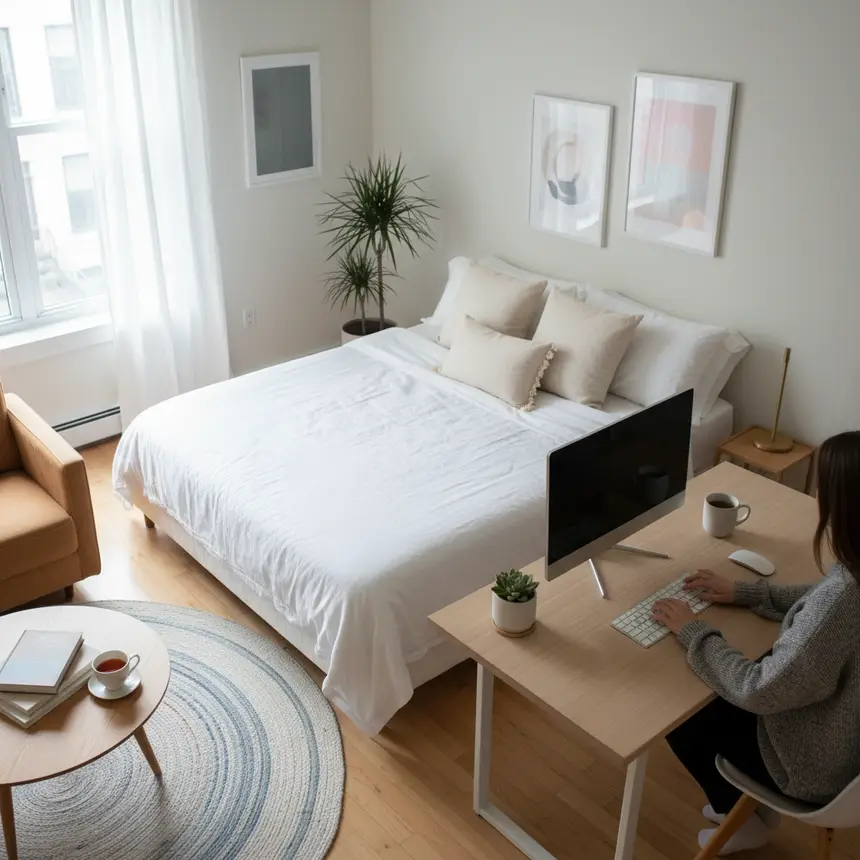
Discover practical minimalist living tips to make your small apartment feel spacious and comfortable. From smart acquisition habits to efficient space utilization strategies, find useful advice for organizing your solo living space.

The Common Challenge of Solo Living: Crafting a Visually Spacious Home
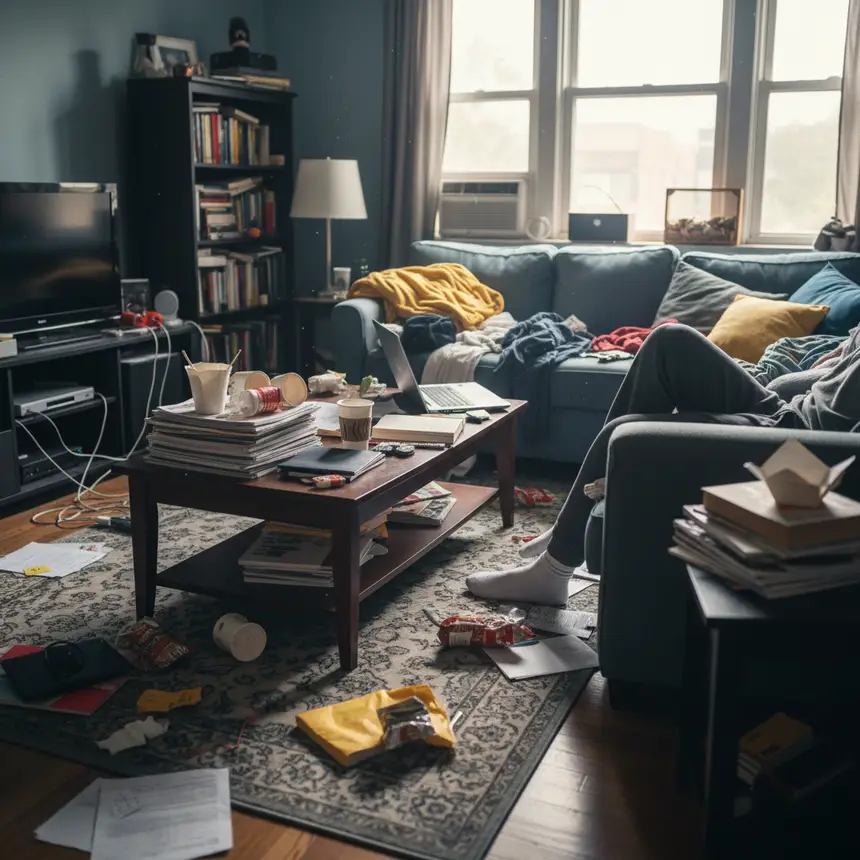
For anyone embarking on independent living, a familiar dilemma often arises. That cozy space that once felt just right slowly starts to feel cramped and overwhelming. You might think you don't own much beyond the essential furniture, yet somehow, items begin to accumulate from the entryway to the bedroom. This struggle with managing a small apartment isn't solely about having too many possessions. It fundamentally comes down to how effectively you manage and utilize what you already own. Embracing a minimalist lifestyle is key to creating a truly breathable environment and fostering a sense of greater space and comfort. It's not just about decluttering; it's about mastering smart ways to fill and maintain your living area thoughtfully.

Cultivating Mindful Acquisition and Smart Inventory Management
The journey to a more spacious home begins long before an item finds its place inside. The biggest culprits for encroaching on your living area are often those 'just in case' items that seem to accumulate, especially gifts or promotional goods that remain unopened and forgotten.
Minimizing your household inventory—like toilet paper, cleaning supplies, and shampoo—is another vital strategy for effective space utilization. Instead of stocking up excessively, adopt a 'one in, one out' principle. Designate specific spots for each type of item, and only purchase replacements when that designated spot is empty. For instance, buy a new pack of wet wipes only after the current one is completely finished. This simple habit can significantly free up your storage areas.
- Integrate New Items Promptly: When you receive a new towel set, replace your old ones immediately. If you get new dishes, put them into use and consider donating or discarding older sets. This ensures you fully enjoy the value of new items before they become outdated.
- Let Go of Unused Possessions: If you know an item won't be used, don't hesitate to give it a new home through resale or donation. Holding onto it 'just in case' inevitably leads to wasted space.
Minimizing your household inventory—like toilet paper, cleaning supplies, and shampoo—is another vital strategy for effective space utilization. Instead of stocking up excessively, adopt a 'one in, one out' principle. Designate specific spots for each type of item, and only purchase replacements when that designated spot is empty. For instance, buy a new pack of wet wipes only after the current one is completely finished. This simple habit can significantly free up your storage areas.
※ This post contains affiliate links. I may earn a commission at no extra cost to you.


Achieving a Breathable Home Through Consistent Decluttering
At the heart of minimalist living lies the principle of owning only what you can genuinely manage. This necessitates developing a consistent habit of letting go of items you don't actively need. That kitchen gadget you haven't touched in years, souvenirs from past trips, or clothes that are no longer in style—these might just be the 'clutter' occupying your valuable space.
By adopting these decluttering practices, you not only gain physical space but also reduce cleaning and organizing time, enhancing your overall quality of life. The goal isn't to empty your home completely, but to develop a smart perspective on what truly serves your daily needs.
- Evaluate Annual Usage: Consider decluttering any item you haven't used in the past year. Prioritize your current needs over the vague notion of 'someday' utility.
- Consolidate Redundant Items: If you have multiple items serving the same purpose, keep only the one you use most frequently and are most satisfied with. For example, if you own many types of mugs, keep your favorites and let go of the rest.
- Reassess Stored-Away Items: Reconsider the necessity of large items stored 'just in case,' such as a folding table only used for holidays or a special set of glasses for guests. If they aren't frequently used, explore options like donating them or storing them in a shared facility if available.
By adopting these decluttering practices, you not only gain physical space but also reduce cleaning and organizing time, enhancing your overall quality of life. The goal isn't to empty your home completely, but to develop a smart perspective on what truly serves your daily needs.

Beginning Your Journey to a Comfortable Personal Space with Small Habits
Minimalist living isn't about an abrupt, grand overhaul. It's about accumulating small, consistent habits that lead to significant transformation. If implementing all these strategies at once feels daunting, start with these manageable steps:
These small actions will collectively make organizing your independent living space much easier and more enjoyable. A well-managed and comfortable environment fosters peace of mind, injecting positive energy into your daily life. Experience true freedom in your spacious and orderly personal sanctuary.
- Today, open and use one new item you've received. Whether it's a new soap bar or a storage box, actively using it immediately enhances its value and brings vitality to your space.
- Look around your home for any household inventory items you haven't used in over a year. Take a moment to reflect on its current value and your genuine need for it.
- Choose three small, low-stakes clutter items and tidy them up right now. This could be an old pen, a stack of expired receipts, or a dusty trinket in a drawer.
These small actions will collectively make organizing your independent living space much easier and more enjoyable. A well-managed and comfortable environment fosters peace of mind, injecting positive energy into your daily life. Experience true freedom in your spacious and orderly personal sanctuary.
Frequently Asked Questions
Q. I'm overwhelmed and don't know where to start organizing my apartment.
A. Don't try to do too much at once. Begin with the least daunting area, like a single drawer or a section of your desk. The key is to get into the habit of taking out each item and asking, 'Do I really need this?' Small successes will build your motivation.
Q. It's hard to throw away sentimental items. What should I do?
A. You don't have to discard all sentimental items. Instead, set a limit for how many you keep in a designated 'memory box.' Once the box is full, practice a one-in, one-out policy. The wisdom lies in preserving a few truly meaningful items rather than keeping everything.
Q. I understand decluttering is important, but I worry about throwing away things I might need later.
A. Minimalism isn't about discarding everything. It's about making smart judgments about what is necessary for you. When organizing, ask questions like, 'Have I used this in the last year?' or 'Would my life be significantly inconvenient without this?' If you're unsure, try placing items in a 'holding box' for a month, and if you don't look for them during that time, you can confidently let them go.
Q. My apartment gets messy again quickly after I clean. What habits can help?
A. The most crucial habit is to ensure every item has a designated 'home.' Get into the routine of putting things back immediately after use. Also, try a '5-minute tidy-up' routine each night before bed. Dedicate a few minutes to straightening up your surroundings. This small effort can consistently maintain the cleanliness of your space.