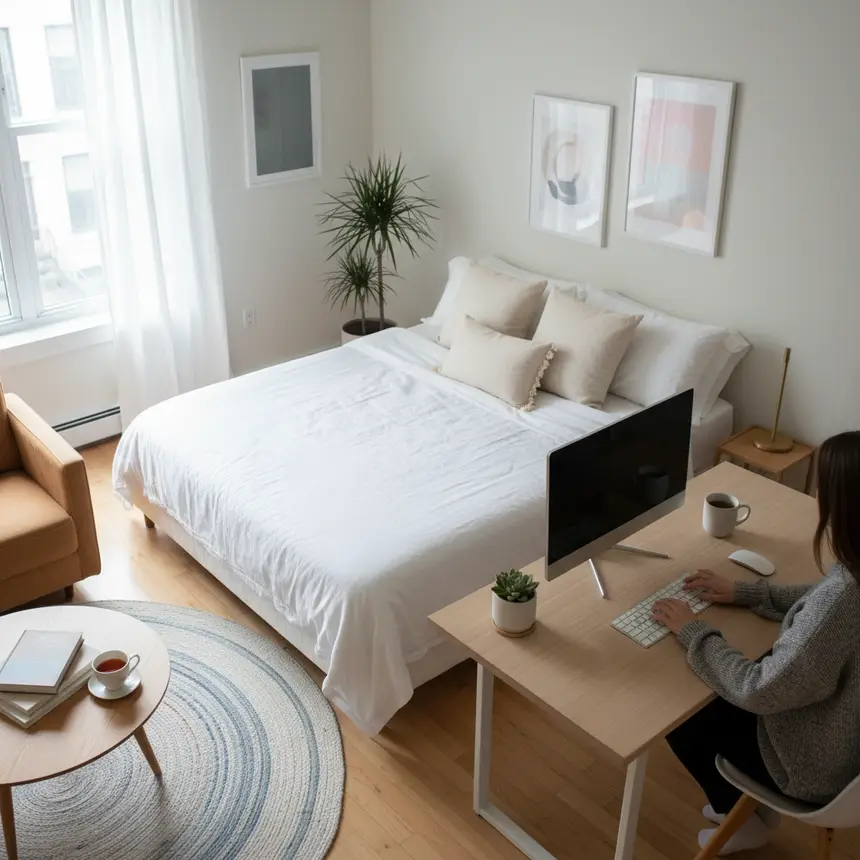
Struggling with persistent, unidentified smells in your small living space? It's often not just the drain! Discover the hidden culprits behind common apartment odors and practical tips to create a fresh, clean environment.

The Invisible Battle: Confronting Mysterious Apartment Odors
Embracing independent living, especially in a compact studio apartment, comes with its unique charms and challenges. Among these, the pervasive issue of lingering, unpleasant odors often tops the list of frustrations. You've cleaned, aired out the space, yet that "off" smell persists, making your sanctuary feel less than inviting. It's common to immediately suspect the bathroom or kitchen drain, diligently scrubbing and pouring solutions down it. However, the true sources of these stubborn smells are frequently hidden in plain sight or overlooked corners, far from the plumbing. In a studio layout, where cooking, sleeping, and living areas merge, odors tend to circulate and settle more readily. This isn't just an annoyance; a consistently stale or musty apartment can affect your mood, sleep quality, and overall well-being. So, what are these unseen enemies, and how can you reclaim a fresh and pleasant living environment? Understanding the real culprits is the first step towards a truly comfortable and enjoyable home.

Decoding the Hidden Sources of Unwanted Smells
The persistent bad smells in your apartment aren't usually a single issue but rather a combination of factors stemming from your space's design and your daily habits. First, hidden moisture and mold are major contributors. Dampness can accumulate behind furniture pressed against walls, within wallpaper, or in infrequently opened cabinets, fostering mold growth. This produces a tell-tale musty scent that's often mistaken for a sewer gas odor. Second, subtle pipe leaks or faulty connections can be the cause. Areas beneath your kitchen sink or bathroom vanity might have minor gaps or worn seals in the plumbing, allowing foul air or tiny amounts of waste liquid to escape and create an unpleasant smell. Third, your everyday appliances can be surprising sources. The interior of a washing machine, especially if left damp after use, can develop mildew and a sour smell from detergent residue. Similarly, condensation lines in air conditioning units can become breeding grounds for bacteria, emitting a stale, damp odor into your living space. Fourth, improper waste and food management significantly impact air quality. Unsealed trash cans, food scraps left out after cooking, or expired items in your fridge can quickly decompose and release strong, offensive smells. Lastly, inadequate ventilation allows these odors to linger and intensify. Small apartments often lack cross-ventilation, meaning stagnant air traps and concentrates various smells within the fabrics and surfaces of your home, making them feel more potent.
※ This post contains affiliate links. I may earn a commission at no extra cost to you.


Practical Strategies for a Fresh-Smelling Home
Tackling apartment odors effectively requires a strategic, multi-pronged approach. Start with managing moisture and preventing mold. Pull large furniture a few inches away from walls to allow air circulation. Regularly check behind these items and any damp-prone areas like bathroom walls for signs of moisture or mold. Promptly clean any mold spots with a suitable solution and use dehumidifiers in humid seasons. Prioritize inspecting plumbing connections. Open the cabinets under your sinks and visually check for any dampness, leaks, or loose pipe fittings. Small gaps can often be sealed with waterproof tape, but more significant issues might require a professional's attention. Next, focus on routine appliance maintenance. Run a washing machine cleaner through your laundry machine once a month, and always leave the door ajar after use to allow the drum to dry completely. For air conditioners, clean or replace filters every 2-4 weeks and engage the fan-only mode for 10-20 minutes after cooling to dry out internal components. Essential for freshness is improving waste and food handling. Dispose of food scraps immediately in a sealed container, and empty general trash bins frequently. Keep your refrigerator tidy, using airtight containers for food storage, and regularly wipe down shelves. Finally, and crucially, practice consistent ventilation. Aim to open windows wide for at least 10-15 minutes, two to three times a day, ideally creating a cross-breeze. This is especially important after cooking or showering to expel steam and food smells.

Sustaining Freshness: Everyday Habits for a Happy Home
Achieving an odor-free apartment isn't a one-time task but an ongoing commitment to mindful living. Integrating the systematic management strategies discussed earlier into your daily routine is key. Consider making daily ventilation your first habit when you get home, or dedicate a specific time each weekend to check and clean one appliance. Developing an awareness of subtle smell changes can also be incredibly helpful. Don't ignore a faint, unusual odor; instead, investigate its source promptly. For instance, textile items like curtains, rugs, and bedding are prone to absorbing smells, so regular washing or airing them out in sunlight can make a big difference. These small, consistent efforts compound over time, creating a significantly more pleasant space. An apartment free from unpleasant smells isn't just more enjoyable; it enhances your focus, improves your sleep, and contributes to an overall healthier, happier independent lifestyle. Stop stressing over mysterious odors and start implementing these simple steps today to transform your living space into a fresh, inviting haven.
Frequently Asked Questions
Q. My apartment still smells musty even after regular cleaning. What could be the cause?
A. Musty smells often point to hidden moisture and mold. Check behind large furniture, inside rarely opened cabinets, or even under old wallpaper for damp spots. Also, ensure appliances like your washing machine are thoroughly dry after use, and ventilate frequently to reduce indoor humidity.
Q. I'm not sure it's a drain smell, but I notice an odd odor around my kitchen sink.
A. This could be due to subtle leaks or loose connections in the plumbing underneath your sink. Inspect the pipes and seals for any signs of dampness or gaps. Sealing small gaps with waterproof tape might help, or consider calling a professional if the issue persists.
Q. I open my windows every day, but the air doesn't feel fresh. How can I ventilate more effectively?
A. Simply opening one window might not be enough. Try creating a cross-breeze by opening windows or doors on opposite sides of your apartment. Ventilate immediately after cooking or showering to quickly expel steam and strong odors, which can otherwise cling to surfaces.
Q. Are air fresheners a good solution for apartment odors?
A. Air fresheners provide a temporary masking effect rather than addressing the root cause of odors. It's more effective to identify and eliminate the source of the smell first. Air fresheners can then be used sparingly as a supplementary tool for a light, pleasant scent.
Q. Managing all these odor sources sounds overwhelming. What's the easiest starting point for a busy person?
A. The easiest and most impactful starting point is consistent ventilation. Make it a habit to open your windows wide for 10-15 minutes every morning or when you get home. Additionally, promptly disposing of food waste in sealed bags or containers will significantly reduce common odors with minimal effort.