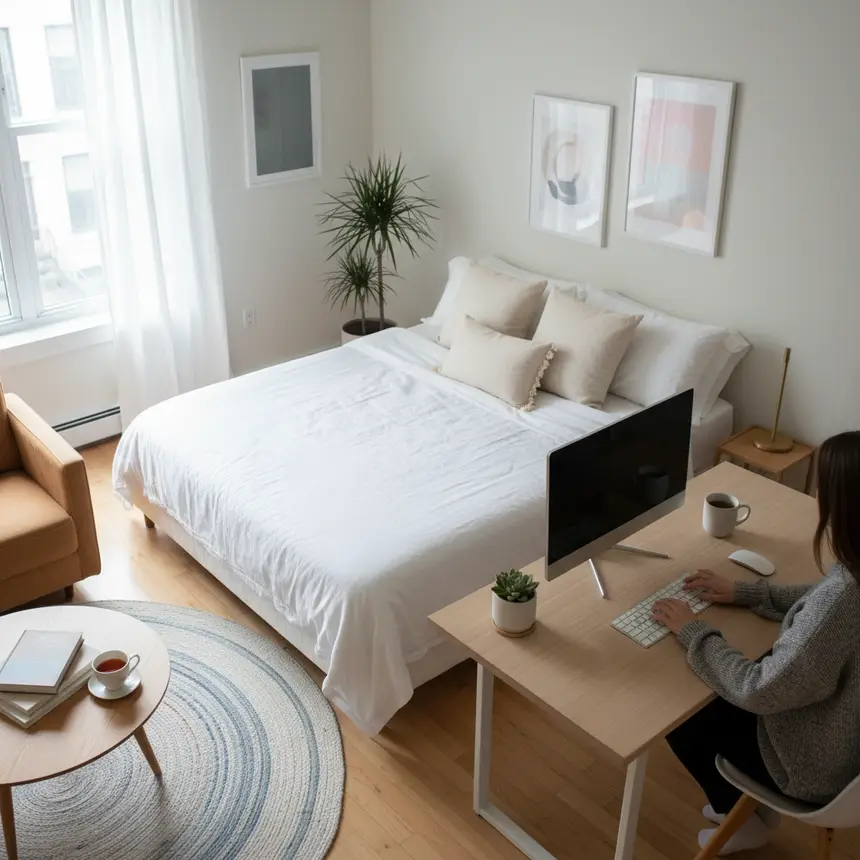
Worried about dirty walls around your computer desk? Discover practical tips for preventing wall scuffs, maintaining cleanliness, and managing your space efficiently in solo living. Keep your home spotless!

The Subtle Stress of Solo Living: Unseen Wear and Tear
Embracing solo living often comes with the vision of a perfectly cozy and personal retreat. However, as time passes, many find themselves grappling with small, persistent issues. Among these, the area around your computer desk frequently emerges as an unexpected source of frustration. Scuffs and marks on the walls where your feet might rest or your chair might brush can be more than just an eyesore; they can become a quiet worry about potential repair costs when your lease ends. These minor blemishes, encountered daily, can subtly diminish your overall satisfaction with your living space and challenge your motivation to maintain a pristine environment. While the freedom of independent living is cherished, these seemingly minor concerns can accumulate, making it harder to truly relax in a clean and organized home.

Decoding the Problem: Why Do Walls Get So Grimy?
So, why does the area around your computer desk seem to attract grime and scuffs so persistently? The root causes often lie in our unconscious daily habits and how we utilize our space. It's common for individuals to inadvertently rest their feet against the wall or bump the chair into it while absorbed in work. For those who spend an average of 7 hours or more at their desk daily, these unintentional contacts can occur several times an hour, adding up to hundreds of abrasions each month. This constant friction is a primary culprit for wall damage and discoloration. Furthermore, insufficient spacing between the desk and the wall, combined with areas prone to dust accumulation, can accelerate the problem. The junction where the wall meets the floor is particularly susceptible to collecting dust and everyday debris, which can form a stubborn film over time. It's rarely a matter of simple neglect, but rather a complex interplay of environment and routine.
※ This post contains affiliate links. I may earn a commission at no extra cost to you.


Actionable Solutions: Smart Management for a Spotless Space
It's time to explore practical strategies for preventing wall damage around your computer desk and maintaining a pristine living area. Significant improvements don't require monumental effort; a few simple, consistent habits can make a substantial difference in your solo living space.
1. Install Wall Protection:
1. Install Wall Protection:
- A vital first step to prevent wall damage is to install a physical barrier. Consider applying a clear adhesive film or placing a thin, rigid panel on the wall section most prone to contact. If direct attachment feels too permanent for a rental, a freestanding panel positioned between your desk and the wall can be an effective alternative. These protectors absorb direct friction from feet or chair movements, significantly reducing scuffs and dirt accumulation.
- Ensure there's at least a 4 to 6-inch gap between your desk and the wall. This small buffer zone allows your chair and feet to move without constantly scraping the surface. Even a minor adjustment in spacing can yield surprisingly positive results.
- Many wall blemishes begin as accumulated dust. Make it a habit to gently wipe down your wall surfaces with a soft microfiber cloth or an electrostatic duster once a week. For existing marks, use a small amount of mild, diluted detergent on a soft cloth, dabbing lightly. Always follow up immediately with a dry cloth to remove moisture and prevent damage. Crucially, always perform a patch test in an inconspicuous area before applying it more broadly.
- Consciously maintain good posture while at your desk: keep your back against the chair's backrest and your feet flat on the floor. Utilizing a footrest can also be highly beneficial. Developing mindful sitting habits helps to reduce unintentional contact with the wall.
Frequently Asked Questions
Q. What are effective ways to clean apartment walls without causing damage, especially in a rental?
A. The best approach depends on the wall finish, but generally, use a soft microfiber cloth dampened with water or a very mild, diluted all-purpose cleaner. Gently wipe the affected area, then immediately follow with a dry cloth to prevent moisture damage. Always test in an inconspicuous spot first.
Q. What are some realistic tips to prevent wall marks around a computer desk in advance?
A. A practical tip is to apply a clear protective film or place a thin, rigid panel on the wall area prone to contact. Also, ensure there's at least a 4-6 inch gap between your desk and the wall to prevent chair and feet from rubbing. Using a footrest can also help modify habits that lead to wall contact.
Q. What kind of chair should I choose to minimize wall scratches and dirt from the chair or feet?
A. To minimize wall contact, consider chairs with a compact design or those with smooth-rolling wheels. More importantly, ensure you maintain adequate space between your desk and the wall so the chair's back or wheels don't constantly scrape the surface.
Q. How can I efficiently arrange a computer desk in a small solo apartment to protect the walls?
A. In a small space, avoid pushing your desk flush against the wall; maintain a minimal gap of about 4 inches. Consider positioning your desk near a window or in a way that minimizes contact with high-traffic wall sections. Using wall-mounted shelves instead of a traditional desk or opting for a foldable desk can also free up floor space and reduce wall vulnerability.
Q. What's a good routine for maintaining walls and preventing dirt accumulation?
A. Aim for a weekly light dusting of the wall area around your desk using an electrostatic duster or soft cloth. Once a month, conduct a more thorough spot clean of any noticeable marks using a mild cleaner, and check the condition of any wall protectors you've installed. Consistent attention is key to keeping your walls clean long-term.