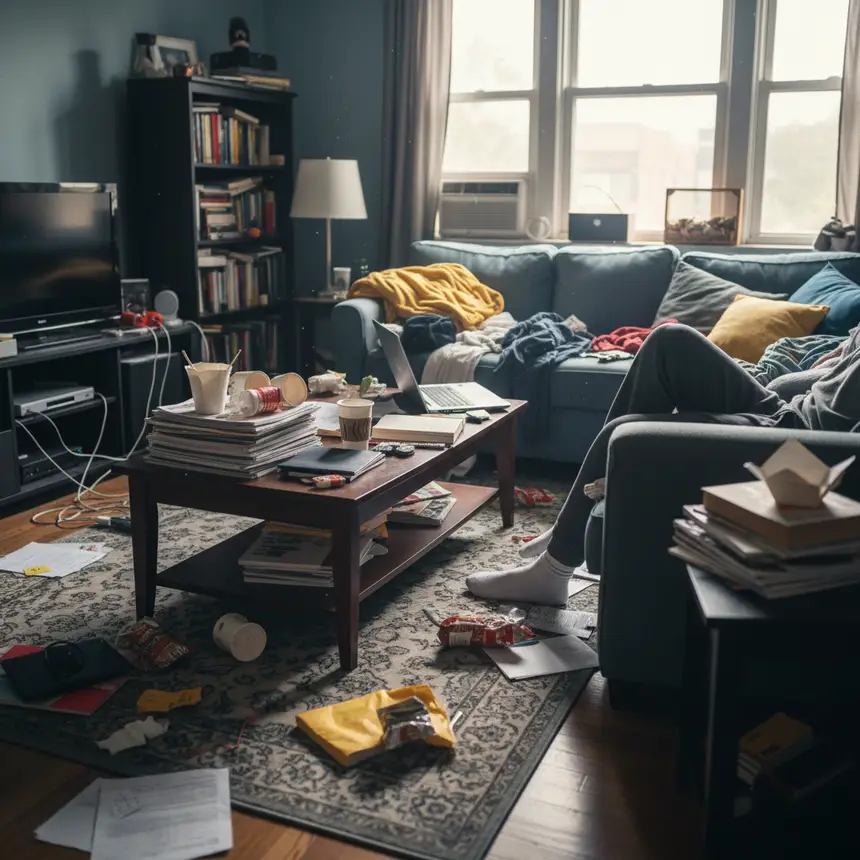
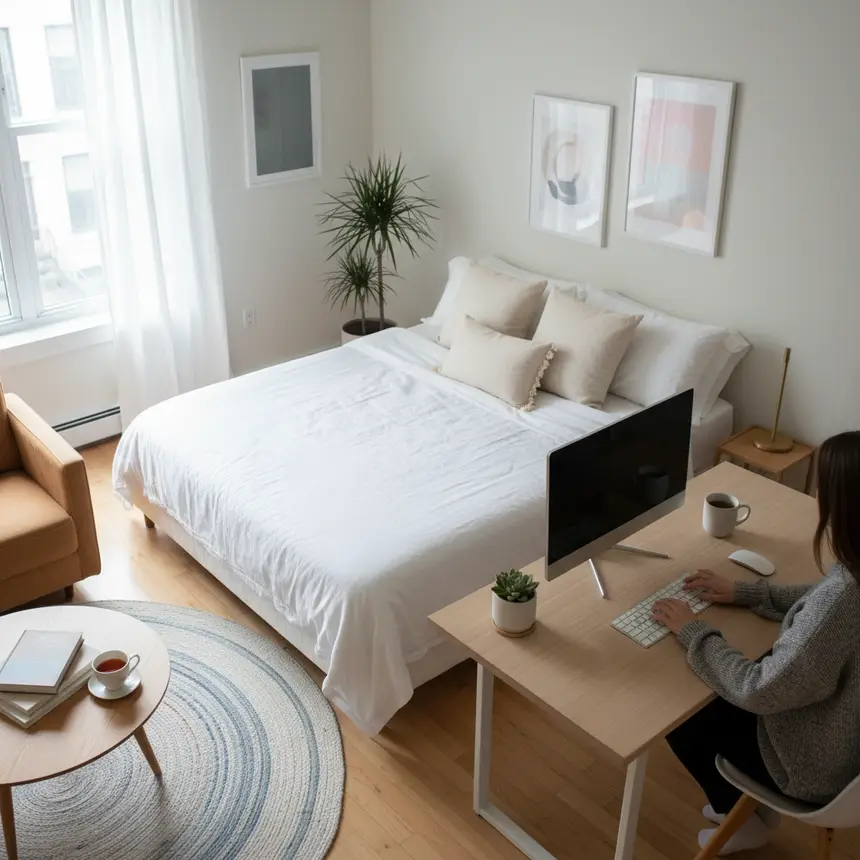
Feeling short on time in your solo living journey? Discover practical time management and habit-forming tips to create a more organized and serene space.

The Never-Ending To-Do List of Independent Living
For anyone embracing independent living, a familiar challenge often surfaces: the constant struggle with solo living time management. After a long day, returning home to a pile of dishes, laundry, and a generally untidy space can be disheartening. By the time all chores are done, personal time feels like a luxury you can rarely afford. This common experience of wishing for more time, yet feeling trapped in a cycle of endless tasks, is a core concern for many. How can we effectively manage our time amidst these recurring daily routines? This article aims to provide practical time management tips to alleviate the inconveniences of solo living and foster more efficient daily tasks for a smoother, more organized lifestyle.

Uncovering the Root Causes of Time Scarcity
Our difficulties with solo living time management often stem from several common solo living habits. First, there's the tendency to postpone small tasks, allowing them to accumulate into overwhelming burdens. For instance, leaving dishes in the sink after a meal or not putting clothes away immediately can lead to dedicating a significant chunk of your weekend to catching up. Adopting a habit of tackling these minor tasks, each taking no more than 5 minutes, can drastically reduce overall time spent.
Second, without a set routine, we often address household chores reactively, leading to inefficient movements and neglected priorities. What if you committed just 15 to 20 minutes daily to light tidying? Even this short, consistent effort can collectively save substantial time. This approach emphasizes understanding the 'flow' of your living space to prevent bigger messes.
Third, large, daunting tasks can lead to procrastination, making it hard to even begin. Instead of repeatedly dwelling on an overwhelming task like a deep clean, break it down into smaller, manageable steps. For example, rather than 'kitchen cleaning,' focus on 'wiping down the counters,' 'scrubbing the stovetop,' and 'sweeping the floor' as separate, focused efforts. This strategy, much like understanding a complex text without getting bogged down, helps you allocate your energy more effectively.
Second, without a set routine, we often address household chores reactively, leading to inefficient movements and neglected priorities. What if you committed just 15 to 20 minutes daily to light tidying? Even this short, consistent effort can collectively save substantial time. This approach emphasizes understanding the 'flow' of your living space to prevent bigger messes.
Third, large, daunting tasks can lead to procrastination, making it hard to even begin. Instead of repeatedly dwelling on an overwhelming task like a deep clean, break it down into smaller, manageable steps. For example, rather than 'kitchen cleaning,' focus on 'wiping down the counters,' 'scrubbing the stovetop,' and 'sweeping the floor' as separate, focused efforts. This strategy, much like understanding a complex text without getting bogged down, helps you allocate your energy more effectively.
※ This post contains affiliate links. I may earn a commission at no extra cost to you.


Actionable Strategies for a More Organized Solo Life
Let's explore concrete strategies for achieving more efficient daily tasks.
1. Cultivate Micro-Habits for Macro-Impact: Designate about 10 minutes each day as a 'mini-tidy window.' This could mean making your bed and a quick floor wipe before work, or washing dishes and wiping kitchen surfaces after dinner. These small, consistent actions are foundational for maintaining a clean home.
2. Plan Ahead to Reduce Overwhelm: Create a weekly or monthly schedule for larger cleaning tasks. Assign specific days for 'bathroom cleaning day' or 'laundry day,' and focus solely on those areas. This systematic approach reduces overall stress and ensures more efficient daily tasks.
3. Optimize Flow and Maximize Space: Give every item in your home a designated 'home.' Store frequently used items within easy reach, and utilize vertical storage solutions like shelves and drawers for bulkier items. Embracing minimalism by decluttering unnecessary possessions not only saves time but also reduces mental clutter.
Reclaiming Your Time and Serenity
Through these improved solo living habits, you gain more than just a clean space; you achieve mental peace and satisfaction. An organized environment often correlates with an organized mind. By consistently implementing these small habits, even in a busy solo lifestyle, you can reclaim your personal time and cultivate a richer, more fulfilling life. May these tips help illuminate your independent living journey, making it brighter and more manageable starting today.
1. Cultivate Micro-Habits for Macro-Impact: Designate about 10 minutes each day as a 'mini-tidy window.' This could mean making your bed and a quick floor wipe before work, or washing dishes and wiping kitchen surfaces after dinner. These small, consistent actions are foundational for maintaining a clean home.
2. Plan Ahead to Reduce Overwhelm: Create a weekly or monthly schedule for larger cleaning tasks. Assign specific days for 'bathroom cleaning day' or 'laundry day,' and focus solely on those areas. This systematic approach reduces overall stress and ensures more efficient daily tasks.
3. Optimize Flow and Maximize Space: Give every item in your home a designated 'home.' Store frequently used items within easy reach, and utilize vertical storage solutions like shelves and drawers for bulkier items. Embracing minimalism by decluttering unnecessary possessions not only saves time but also reduces mental clutter.
Reclaiming Your Time and Serenity
Through these improved solo living habits, you gain more than just a clean space; you achieve mental peace and satisfaction. An organized environment often correlates with an organized mind. By consistently implementing these small habits, even in a busy solo lifestyle, you can reclaim your personal time and cultivate a richer, more fulfilling life. May these tips help illuminate your independent living journey, making it brighter and more manageable starting today.
Frequently Asked Questions
Q. I'm too busy to clean; where should I start?
A. Try the '5-minute rule.' If a task can be completed in 5 minutes or less, do it immediately. This could be washing a few dishes or putting away stray clothes. These small successes build momentum for developing a consistent organizing habit.
Q. Is it efficient to try and do all chores at once?
A. Attempting to do everything at once often leads to burnout or giving up. It's far more efficient to break larger tasks into smaller units and assign specific days for certain areas, like 'kitchen Monday' or 'bathroom Wednesday.' This helps manage the workload.
Q. How do I decide what to organize first?
A. Start with the most visible and frequently used items. A good rule of thumb is to discard or donate anything you haven't used in the past six months. This immediately reduces clutter and helps clarify what needs a 'home'.
Q. What are some tips for maintaining organizing habits consistently?
A. The key is to give every item a 'home.' Always return items to their designated spot after use. Also, adopt the 'one in, one out' rule: for every new item you bring into your home, get rid of an old one. Consistency in these small actions is crucial.