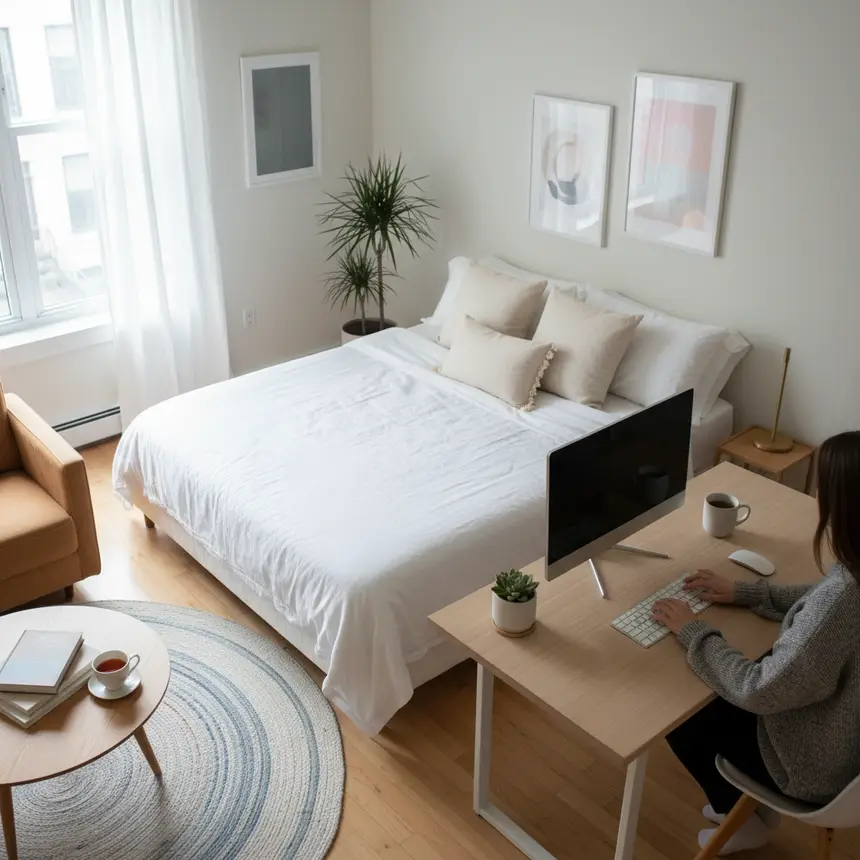
Wondering how to manage your solo living space efficiently? Reduce solo living stress and create a relaxed daily life with practical organization and cleaning habits that maximize time-saving and space utilization.

The Solo Dweller's Dilemma: Finding Peace in Your Own Space
Embracing solo living brings immense freedom and independence, yet it often comes with its own set of challenges. Among the most common stressors for those living alone are a perpetually disorganized space and a constant lack of time. It's a familiar scenario: rummaging through piles of belongings just to find one item, or sighing at a home that feels like a disaster zone after procrastinating for too long. Beyond simply tidying up, adopting efficient life management habits can save your precious time and energy. Let's explore why these habits are crucial and how you can begin transforming your space and routine. How effectively is your personal space currently managed?

Why Does My Apartment Always Feel Disordered? Unpacking Inefficient Habits
There are several reasons why a solo apartment often struggles to stay neat. Firstly, a lack of pre-planning for organization or cleaning means you're often reacting to messes rather than preventing them, leading to wasted effort and minimal results. Secondly, impulsive purchases and failing to put items back in their designated spots quickly overwhelm any storage system. Thirdly, not understanding how to maximize your space, especially in smaller apartments, leads to items piling up instead of being stored strategically. These inefficient habits diminish the satisfaction of solo living, creating a cycle of wasted time and increased stress. Take a moment to identify which of your current habits might be contributing to this inefficiency.
※ This post contains affiliate links. I may earn a commission at no extra cost to you.


Strategic Solutions for a Serene Solo Home: Organizing and Cleaning Wisdom
Bringing calm to a busy solo life starts with surprisingly simple principles for efficient management. First, cultivate the habit of giving 'everything a home.' Frequently used items should be easily accessible, while less common ones can be stored further away or out of sight. Second, optimize your space utilization. Incorporate vertical shelving, drawer organizers, and multi-functional furniture like storage beds to keep items off the floor and maximize every inch. Third, maintain 'optimal levels' of cleanliness rather than striving for perfection every time. Consistently managing dust and minor messes is more effective than attempting a deep clean only when things become overwhelming. For instance, a quick 5-minute tidy-up daily and focused cleaning of specific zones once or twice a week can yield significant results. These systematic methods help maintain a pleasant environment without excessive effort, effectively reducing solo living stress.

Mastering Solo Living: Simple Daily and Weekly Rituals
Efficient solo living isn't about one grand effort, but rather the consistent accumulation of small habits. Here are actionable routines that will gift you more ease. First, a '5-minute morning tidy' is a magical way to start your day refreshed. Simply making your bed and putting away items used the night before can instantly transform your space. Second, 'utilize your personal golden hour' to boost efficiency by avoiding peak fatigue times. Instead of forcing yourself to clean after a long workday, designate a weekend morning or any period when you feel most energized for more focused tasks. Third, adopt the 'three questions rule' before making a purchase: 'Do I truly need this?', 'Do I have a designated spot for it?', and 'Can I do without it or use something I already own?' These questions effectively curb unnecessary clutter. These routines are small acts of kindness to your future self, key to reducing stress and saving time.

Cultivating Calm: Embracing a More Intentional Solo Lifestyle
Organization and tidiness are more than just keeping a space clean; they are crucial processes for managing our minds and infusing vitality into our lives. The solo living management tips shared today aim not for immediate, drastic changes, but for creating a significant shift through the steady accumulation of small habits. Focus on making 'today a little better than yesterday' rather than pursuing perfection. An organized space reduces unnecessary worries and allows you to channel your energy toward more important endeavors. Swap abstract stress for intentional management and enjoy a more relaxed solo life. Even minor shifts in habit can make your daily routine much more pleasant and fulfilling. We encourage you to try just one new habit starting today and experience the positive transformation for yourself.
Frequently Asked Questions
Q. My apartment is small, making organization difficult. Do you have any space-saving tips?
A. In small spaces, actively utilize vertical space with shelves and multi-functional furniture (e.g., storage beds, folding tables). It's also crucial to declutter ruthlessly, keeping only what you truly need.
Q. I'm a busy working professional living alone. What's an easy cleaning routine I can follow?
A. Try a 'zone cleaning' approach: a quick 5-minute tidy-up (putting items away, wiping surfaces) before bed daily, and then dedicating a specific time on the weekend to focus on one area like the bathroom or kitchen.
Q. I keep buying things and accumulating clutter. How can I stop?
A. Before buying something new, ask yourself three questions: 'Do I really need this?', 'Do I have a designated spot for it at home?', and 'Can I make do without it or use something I already own?' This helps reduce impulse purchases.
Q. I want to start organizing but feel overwhelmed. Where should I begin?
A. Start with the area you use most frequently and that tends to get messy quickly (e.g., your desk, kitchen counter). Achieving success in a small area first can build momentum and make tackling larger spaces feel less daunting.
Q. Are there any psychological tips to reduce solo living stress?
A. Rather than aiming for perfection, adopt a mindset of 'a little bit each day' or 'better than yesterday.' Praise yourself for small accomplishments to build positive associations. Sometimes, taking a break is also an important part of self-management.