Worried about high cooling bills in your apartment this summer? Discover practical tips to improve cooling efficiency and effectively reduce your summer living expenses through smart lifestyle habits.

Embracing Summer Comfort While Managing Apartment Cooling Costs
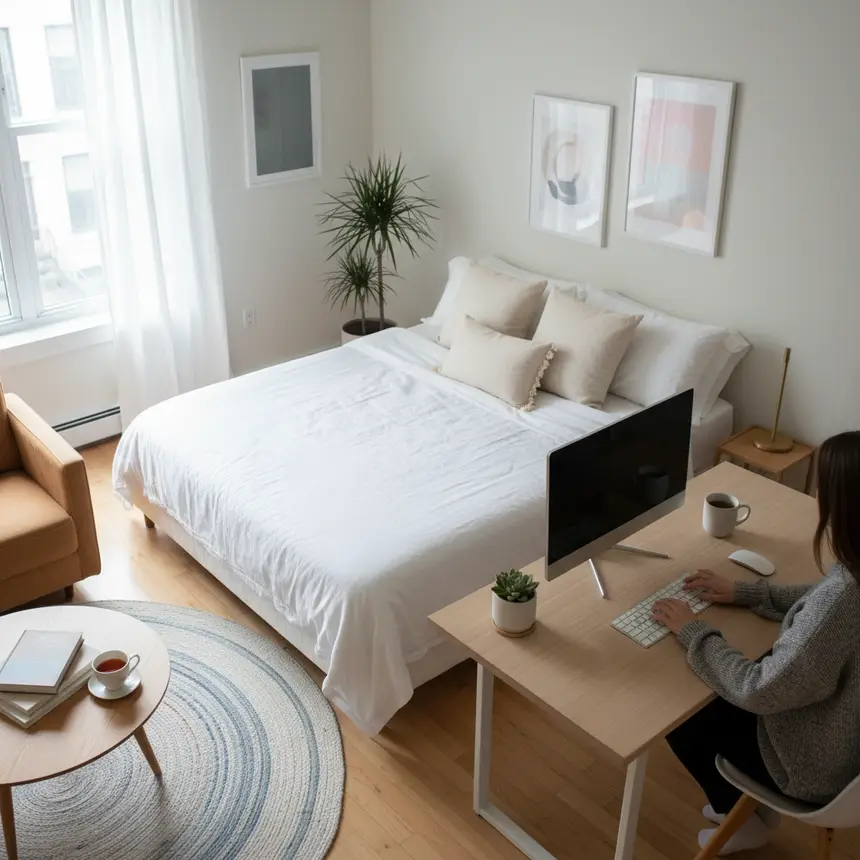
For anyone living alone, summer often brings a mix of wanting comfort and dreading the utility bill. The heat can be unbearable without air conditioning, but running it freely feels like a luxury that comes with a steep price. The good news is, you can absolutely maintain a comfortable living space without draining your wallet. By adopting a few clever habits and making smart choices, you can significantly reduce your summer cooling costs and bring more savvy to your apartment living. Let's explore some practical strategies together.

The Hidden Leaks: Why Your Cooling Costs Keep Climbing
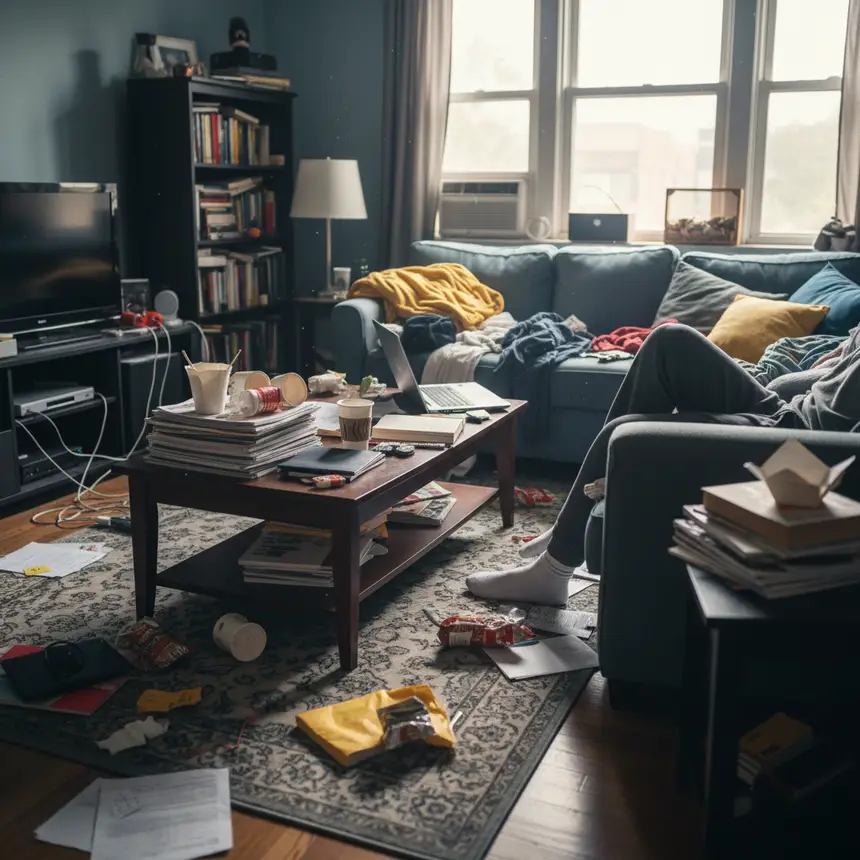
Many of us crank up the AC during the summer only to find our rooms aren't as cool as we'd like, and our bills keep climbing. This often happens because unwanted heat seeps into our apartments, or the precious cool air escapes. Picture sunlight streaming through an uncovered window, relentlessly warming your living space, or cool air vanishing through small cracks around windows and doors. Sometimes, even a neglected air conditioner filter can drastically reduce efficiency, forcing the unit to work harder and consume more power. Adding to this, using heat-generating appliances during the hottest parts of the day can further elevate your indoor temperature. These seemingly minor issues collectively undermine your efforts to save money and add significant stress to managing your summer living expenses.
※ This post contains affiliate links. I may earn a commission at no extra cost to you.


Optimizing Your Space for Maximum Cooling Efficiency
Effectively reducing cooling costs involves smart space management and adapting your daily routines. A primary step is to block external heat. During peak daylight hours when the sun is strongest, utilize thick blackout curtains or blinds to cover your windows. This simple measure can lower your indoor temperature by 2-3 degrees Celsius (about 4-5 degrees Fahrenheit), substantially easing the burden on your cooling system. Furthermore, ensuring your air conditioner operates at its best is crucial. Regularly cleaning your AC's filter, ideally every two weeks, removes dust buildup that restricts airflow. A clean filter allows for better air circulation, enabling efficient cooling with less energy. Lastly, pay attention to indoor humidity. High humidity makes the air feel warmer and reduces AC effectiveness. Using your air conditioner's dehumidify mode or a separate dehumidifier helps maintain optimal indoor humidity levels, contributing to a more comfortable and energy-efficient environment.

Daily Habits for a Cooler Home and Lighter Bill
Let's dive into practical steps you can implement right away to further trim your summer cooling expenses.
- Set your air conditioner to a moderate temperature, ideally between 26-28°C (79-82°F), and pair it with a fan or a circulator to distribute cool air throughout your space. This helps maximize the reach of your AC's cool air, improving overall efficiency.
- Prevent cool air from escaping through gaps around doors and windows by using weatherstripping or draft stoppers. This is an effective strategy even in summer to seal off heat entry and maintain indoor coolness.
- Try to limit using heat-generating kitchen appliances like air fryers, microwaves, and rice cookers during the hottest parts of the day. Using them in the evening or at night prevents additional heat buildup indoors, which otherwise forces your AC to work harder.
- Ventilate your apartment during the cooler parts of the day—early morning or late at night—and use a fan to aid air circulation. Opening windows during hot daytime hours will only invite more heat inside.
- Utilize your AC's timer function before going to bed to prevent unnecessary energy consumption overnight. Setting it to turn off after a few hours and perhaps on again before you wake up ensures you only cool when needed, potentially saving a significant amount on your next electricity bill.

The Journey to Smart Solo Living: Conquering Summer Cooling
Managing summer cooling costs is more than just saving money; it's about building a smarter, more sustainable apartment living experience. The tips shared today are realistic and immediately actionable. Implementing these strategies isn't about "enduring" the heat; it's about "efficiently managing" your cool air. These small, consistent efforts will not only make your summer more comfortable but also significantly reduce the sticker shock when your next utility bill arrives. Start integrating these practices into your daily routine today, and look forward to a cooler, more economical summer. Smart solo living truly begins with these mindful habits.
Frequently Asked Questions
Q. What's the most efficient temperature setting for an air conditioner?
A. Aim to keep your AC at 26-28°C (79-82°F) and use a fan or circulator alongside it. This helps distribute cool air more effectively, reducing power consumption while maintaining comfort.
Q. How often should I clean my AC filter?
A. It's recommended to clean your AC filter every two weeks. A dirty filter reduces cooling efficiency and can lead to higher electricity usage.
Q. What should I do when strong sunlight comes through my window during the day?
A. During the day, especially when the sun is strong, use thick blackout curtains or blinds to cover your windows. This helps block external heat from entering and keeps your indoor temperature from rising.
Q. When is the best time to ventilate my apartment?
A. The most effective time to ventilate is in the early morning or late evening, when the outdoor air is cooler than inside. Opening windows during hot daytime hours can let in more heat.
Q. How do cooking appliances affect cooling costs?
A. Heat-generating appliances like air fryers and rice cookers used during the day can raise your indoor temperature, causing your AC to consume more power. It's best to use them during the evening hours if possible.