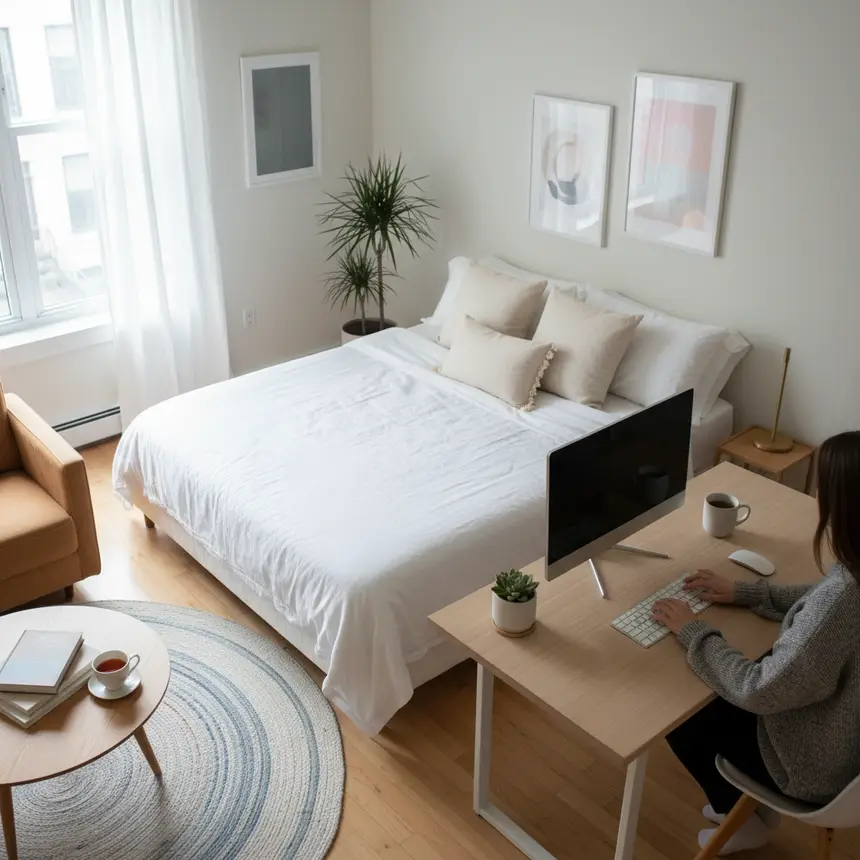
Winter heating bills can be a major stressor for apartment dwellers. Discover practical and effective ways to keep your living space warm without breaking the bank. Learn smart heating management tips to conquer the cold efficiently this season.

The Annual Winter Utility Bill Shock: Sound Familiar?
As cold winds sweep in, a familiar dread settles in for many apartment residents: the impending winter heating bill. You try to be mindful of energy use, yet that monthly statement often arrives with a number far higher than anticipated. It's common to hear a friend boast about an incredibly low bill, making your own seem astronomical in comparison. For instance, despite minimizing boiler use and relying on supplemental warmth, facing a bill close to $70 can feel disheartening. Is battling winter heating costs an unavoidable financial drain? Or is there a smarter path to staying comfortably warm without constantly fretting over expenses? Let's explore realistic strategies that help strike a balance between comfort and cost-efficiency.

Why Your Apartment Stays Cold: Unmasking the Heat Loss Culprits
Ever wonder why your apartment struggles to retain warmth, even when you're trying to conserve heat? The answer often lies in escaping warmth and inefficient heating practices. You've likely experienced how quickly indoor temperatures can plummet, perhaps from the low 70s down to the mid-50s, after just a brief window opening for ventilation. Reheating that single degree can then demand an hour or two of active heating. Spaces with large windows or those converted from outdoor areas are particularly vulnerable to heat loss. It's not uncommon to see a room, after ventilation, barely warm up from 57°F to 64°F over three hours. This disparity often points to a combination of your building's insulation quality, window sealing, and the specific room's layout. Even with a commendable 16% reduction in energy use compared to previous years, peak winter months can still see bills soar towards $150. If you find your fingertips, nose, or ankles consistently cold indoors, it's a clear sign that warmth is escaping somewhere in your living space.
※ This post contains affiliate links. I may earn a commission at no extra cost to you.


Optimizing Your Living Space for Maximum Heating Efficiency
To enjoy a cozy winter without excessive heating expenses, strategic adjustments to your living habits and apartment setup are key. Firstly, consider your space utilization: ensure heating vents or radiators are unobstructed. Furniture placement should allow heat to circulate freely throughout the room, not block a heat source. Sealing drafts is also crucial. Use weatherstripping or caulk to close gaps around windows and doors, minimizing invaluable heat loss. Maintenance also plays a significant role. Dust buildup on radiators or air vents can hinder heat transfer, forcing your system to work harder. Regular cleaning of these components can notably improve heating efficiency. Furthermore, employing thick curtains or blinds can act as an insulating barrier against cold window panes, and laying down rugs or carpets can insulate floors, preventing cold air from seeping upwards. These seemingly minor adjustments collectively contribute to substantial heating bill reductions.

Actionable Steps for Everyday Heating Cost Savings
Making a tangible dent in your heating bill doesn't require drastic measures. A few simple, consistent changes can yield noticeable results:
- 1. Maintain Optimal Indoor Temperatures: Aim for 68-72°F during active hours and lower to 64°F when sleeping or away. Use a programmable thermostat or "vacation mode" when out.
- 2. Smart Ventilation Habits: Opt for short, intense bursts of cross-ventilation for 5-10 minutes, once or twice daily. Ensure all windows and doors are fully closed and sealed afterward.
- 3. Strategic Use of Personal Heating Aids: Instead of heating the entire apartment, use personal warming devices like heated throws or electric mattress pads to directly warm yourself.
- 4. Reconsider Hot Water Usage: Reduce frequent hot baths or hot water laundry. Opt for cooler laundry cycles and shorter showers to save on heating water.
- 5. Check Faucet Positions: Ensure faucets are set to cold when not in use. Leaving them on hot can trigger your water heater unnecessarily.

Take Control: Your Path to a Warmer, Wiser Winter
Winter heating expenses are a persistent concern for many apartment dwellers. However, the solution isn't about enduring the cold or blindly accepting high costs. It's about empowering yourself with efficient heating management knowledge and putting it into practice. Start incorporating the living habits and specific actions outlined above into your routine. While it might seem a bit cumbersome initially, consistent effort will gradually lead to a surprisingly comfortable space with more reasonable utility bills. Achieving a heating bill in the sub-$75 range is entirely within reach. Small, deliberate changes accumulate to make your winter both warmer and more financially manageable. Begin today by re-evaluating your apartment's heating strategy and embrace a wiser, cozier winter season.
Frequently Asked Questions
Q. How can I effectively prevent heat from escaping through my windows?
A. You can seal window gaps with weatherstripping or caulk, and apply temporary insulation film or bubble wrap to the glass. Thick, insulated curtains or blinds are also very effective in reducing heat loss through windows.
Q. What is an ideal indoor temperature for an apartment in winter for energy saving?
A. For a balance of comfort and energy efficiency, a winter indoor temperature of 68-72°F (20-22°C) is generally recommended. Lowering it to around 64°F (18°C) when you're sleeping or away can significantly save energy.
Q. Does cleaning my radiators or heating vents really help save on heating costs?
A. Yes, absolutely. Dust and debris accumulated on radiators, baseboard heaters, or air vents can block heat transfer, forcing your heating system to work harder and consume more energy. Regular cleaning improves efficiency and reduces costs.
Q. How should I ventilate my apartment in winter to minimize heat loss?
A. In cold weather, it's best to ventilate quickly and thoroughly. Open windows wide for 5-10 minutes, once or twice a day, to rapidly exchange indoor air. Ensure all windows and doors are completely closed afterwards to prevent warm air from escaping.
Q. Are there simple ways to check for drafts in my apartment?
A. You can hold a lit incense stick or a thin piece of tissue paper near windows, doors, electrical outlets, or any suspected gaps. If the smoke or paper moves, you likely have a draft that needs sealing.