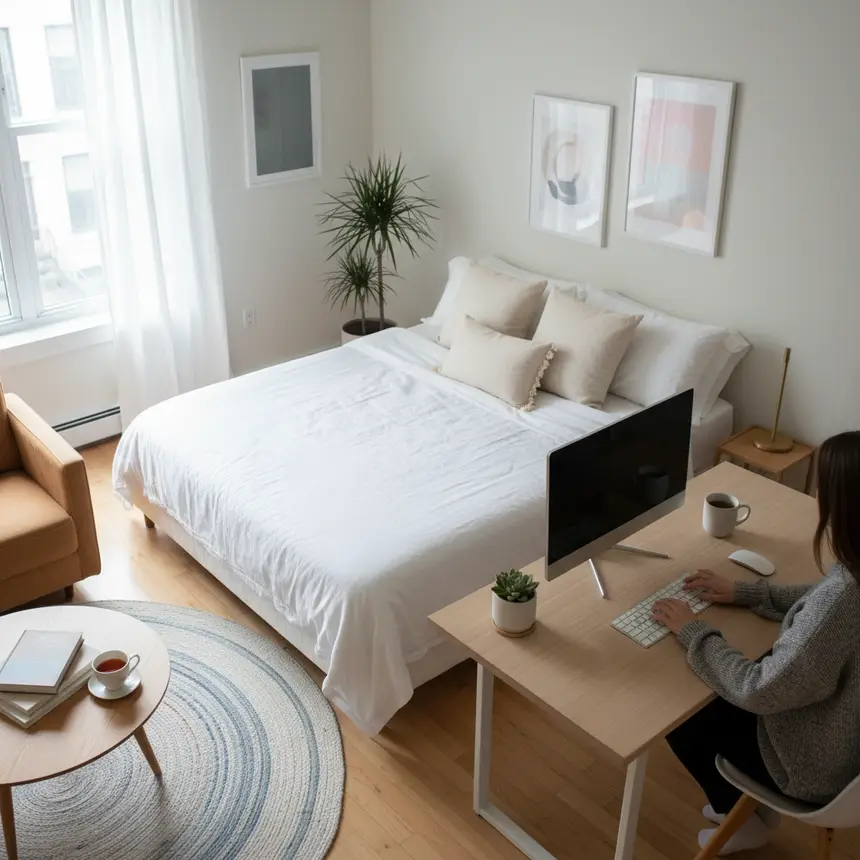
Discover practical strategies for staying warm in your small apartment without sky-high electricity bills. Learn how to choose efficient personal heating devices and implement energy-saving habits this winter.

The Chilly Reality of Winter in a Small Apartment
As winter winds sweep in, those living alone often face a dual challenge: biting cold and the daunting prospect of high utility bills. In studio apartments or compact living spaces, it's easy to feel the chill seep in, especially starting from your feet. I've often found myself struggling to focus on tasks because my feet were freezing. The dilemma is real: turn up the heat and dread the next electricity bill, or shiver through the season and compromise your comfort and well-being. This winter conundrum is a relatable experience for many independent renters.

Decoding Heating Challenges: Why Traditional Options Fall Short
When trying to find warmth, navigating the array of heating solutions suitable for a single-person household can be tricky. Heating an entire room often leads to excessive energy consumption, resulting in a significant increase in utility costs. For instance, some ambient air heaters require long preheating times, and extended use (e.g., 9 hours daily) can potentially double your monthly electricity bill. Furthermore, bulky heating units or those with exposed heating elements pose safety concerns in confined areas and can be inconvenient to store. The quest for warmth shouldn't introduce unnecessary expenses or safety risks.
※ This post contains affiliate links. I may earn a commission at no extra cost to you.


Innovative Personal Warming Strategies for Your Compact Home
The key to a warmer, more cost-effective winter in a small space lies in 'personalized, efficient heating.' This approach focuses on warming specific parts of your body rather than the entire room. Consider devices that deliver targeted warmth to both the soles and tops of your feet, extending up to your lower legs. This method can enhance circulation and elevate overall body temperature. Some units even offer textured surfaces for foot stimulation, helping to alleviate fatigue or drowsiness during work hours. An ergonomic height of approximately 4 inches (about 10cm) can also double as a footrest, promoting better posture without adding extra furniture. Look for features like rapid warm-up times (e.g., within 10-15 seconds) for instant comfort on chilly mornings, and a fan-only mode for year-round utility. Such features are often designed with low power consumption, significantly easing concerns about high electricity bills.

Beyond the Device: Everyday Habits for a Warmer, Wiser Home
In addition to smart personal heating devices, a few simple lifestyle adjustments and space management techniques can dramatically boost heating efficiency and reduce costs. Firstly, use thick curtains and draft stoppers to seal off any cold air entry points. Preventing heat from escaping through windows and doors significantly helps maintain indoor warmth. Secondly, wearing thermal layers, warm socks, and utilizing blankets can keep your body temperature stable, reducing the need for constant heating. Thirdly, ensure that heating devices are placed with adequate space around them to allow for proper heat circulation and safety. Lastly, practice short, effective bursts of ventilation to refresh the air without causing a significant drop in indoor temperature. These habits collectively contribute to a more comfortable and economical winter.

Embrace a Cozy and Cost-Effective Winter in Your Solo Sanctuary
For those living alone, a warm and budget-friendly winter is well within reach. By thoughtfully selecting personal heating solutions and integrating small, smart habits into your daily routine, you can create a comfortable and economical living environment. Take inspiration from these strategies to build your own 'smart winter plan.' The subtle changes you make can lead to significant improvements in warmth and peace of mind, making this winter more enjoyable than ever before. Here's to a healthy and happy winter season!
Frequently Asked Questions
Q. What are the key factors when choosing a personal heating device for a small space?
A. Prioritize energy efficiency, safety features, and compact design. Devices that offer targeted, rapid heating with low power consumption are often the best choice for managing utility costs in a small living area, especially if they offer multi-functional uses.
Q. Besides a heating device, what lifestyle habits can help save on heating costs?
A. Use thick curtains and draft stoppers to minimize heat loss through windows and doors. Layer your clothing and wear warm socks to maintain body heat. Also, practice short, effective ventilation to refresh air without significant temperature drops.
Q. How can I safely use a personal heater in a small apartment?
A. Always keep flammable materials away from the heater and unplug it when not in use or before going to sleep. Avoid covering the device, and ensure good airflow around it to prevent overheating.
Q. What's the best way to ventilate my apartment when using personal heating?
A. Open windows fully for 5-10 minutes, two to three times a day, to quickly refresh the air. Prolonged ventilation can cause the indoor temperature to drop significantly, negating heating efforts.
Q. Can multi-functional personal heaters, like those with footrest features, benefit posture?
A. Yes, a footrest with an ergonomic height, typically around 4 inches (10cm), can help improve sitting posture by ensuring your knees and hips are at comfortable angles while working at a desk, reducing strain on your back.