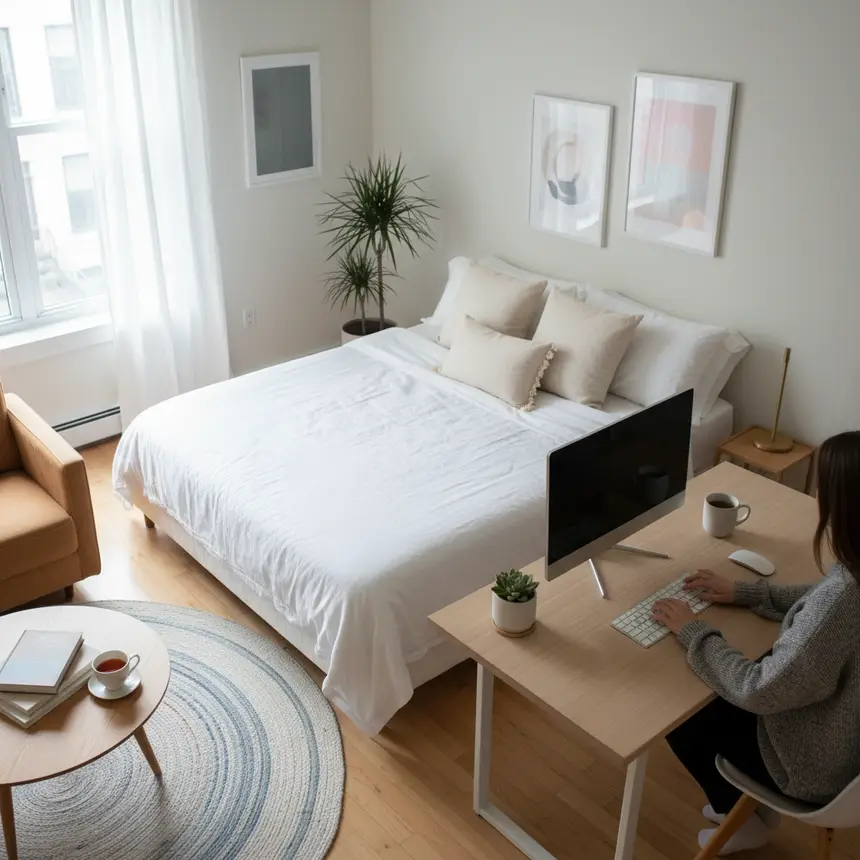
Tired of takeout? Discover how to embrace healthy eating and simple home cooking in your apartment. From clever kitchen organization to easy meal prep, learn practical tips for a balanced diet.

Breaking Free from the Takeout Trap: A Healthier Apartment Lifestyle
Life in an apartment, especially when you're living solo, offers immense freedom. Yet, for many, mealtime often becomes a daily dilemma. The allure of frequent takeout and delivery is undeniable for its convenience, but it often leads to a lighter wallet and nagging health concerns. You might find your fridge accumulating forgotten ingredients, and the thought of cooking seems too daunting, pushing you back to your phone for another delivery. This cycle is a common reality for many living independently. However, even small changes can significantly improve your diet and inject new energy into your daily routine. Why not start today by cultivating a home cooking habit with simple, healthy meals made right in your own kitchen?

Why Does Home Cooking Feel So Out of Reach for Busy Individuals?
The reluctance to cook at home stems from several common challenges. Firstly, there's the overwhelming question of "What should I eat?" The entire process of finding recipes and gathering ingredients can feel like a huge burden. Secondly, many struggle with food waste, often buying more than they can consume, especially with bulk packaging or impulse purchases. This inevitably leads to discarded food, which discourages future cooking endeavors. Thirdly, the perceived hassle of the cooking process itself, followed by the daunting task of cleaning up, can be a major deterrent. Dishes piled high, greasy stovetops – these concerns often push home-cooked meals further away, even the simple ones.
※ This post contains affiliate links. I may earn a commission at no extra cost to you.


Revolutionizing Your Kitchen for Smart Meal Management
You don't need a complicated plan to enjoy healthy meals, even in a small kitchen. Adopting a few basic principles can transform your approach to food. Start with an efficient refrigerator organization system. By knowing exactly what's inside and where, you can prioritize ingredients nearing their expiration date. Next, embrace simplified cooking methods. For instance, preparing and freezing broth in advance or using store-bought broth bases can drastically cut down on cooking time. Additionally, opting for cooking techniques that use less oil, like steaming, boiling, or baking, not only eases the cleanup but also highlights the natural flavors of your ingredients. Remember, a healthier cooking routine begins with smart ingredient management.

Crafting Your Own Healthy Cooking Routine
Here’s a practical routine to help you establish consistent, healthy cooking habits:
- 1. Weekly Meal Planning: Dedicate a short time each weekend to plan your meals for the upcoming week. Focus on one or two main dishes using frequently consumed ingredients, then brainstorm accompanying sides.
- 2. Smart Grocery Shopping: Stick to your plan and buy only what you need, ideally in smaller quantities. Utilizing single-serving ingredients or visiting local markets rather than large supermarkets can help minimize waste.
- 3. Easy Ingredient Prep: Pre-chopping vegetables and storing them, or making a large batch of soup base and freezing it in portions, can significantly reduce weekday cooking time.
- 4. Immediate Cleanup: Get into the habit of cleaning as you cook and doing dishes right after your meal. These small actions keep your kitchen consistently tidy and prevent overwhelming chores later.
- 5. Enjoy Healthier Versions: When incorporating processed foods, apply simple health-improving tricks. For example, if you're using salty canned ham, a quick blanch in hot water can remove excess sodium and impurities. Then, pan-fry it without added oil, allowing its natural fats to render, for a less greasy, less salty result.

The Big Impact of Small Changes on Your Plate
There's no need to overhaul your entire diet overnight. Simply replacing takeout with one or two simple home-cooked meals a week is a fantastic start. The sense of accomplishment from preparing your own food, coupled with the satisfaction of fresh, wholesome ingredients, offers more than just sustenance. It contributes to both a healthy body and a positive mindset. Even amidst a busy apartment lifestyle, investing time in yourself by developing healthy cooking habits is a worthwhile endeavor. Your dining table will become richer, and your life, healthier.
Frequently Asked Questions
Q. I'm worried cooking takes too much time. How can I manage?
A. For easy home cooking, minimizing time is key. Try prepping ingredients on the weekend or focusing on quick recipes during the week. For example, use pre-made broth or adapt one main ingredient into several simple side dishes.
Q. It's hard to buy small quantities of ingredients for one person. Any tips?
A. Many stores now offer single-serving ingredients or meal kits tailored for one-person households. Consider shopping at local markets or using online grocery delivery services to buy just what you need. Leftover vegetables can often be repurposed for stir-fries or stews.
Q. I have a preconception that healthy food isn't tasty. Is that true?
A. Healthy eating doesn't mean sacrificing flavor. You can enhance the natural taste of ingredients with minimal seasoning, or by adding herbs and spices. Instead of just salt, try using soy sauce or fish sauce for a deeper umami, and a few drops of flavorful oil at the end can elevate the dish.
Q. My fridge organization is a mess. What are some effective tips?
A. Organize your fridge by zones and use clear containers to easily see what you have. Place older items at the front and newer ones at the back to follow a "first-in, first-out" rule, which helps reduce food waste. Regular, consistent tidying is the most effective strategy.