Independent living sounds exciting, but often presents unexpected challenges. Discover practical tips for organizing, cleaning, and habit formation to keep your personal space comfortable and efficient.

Living Solo: Between Expectation and Reality
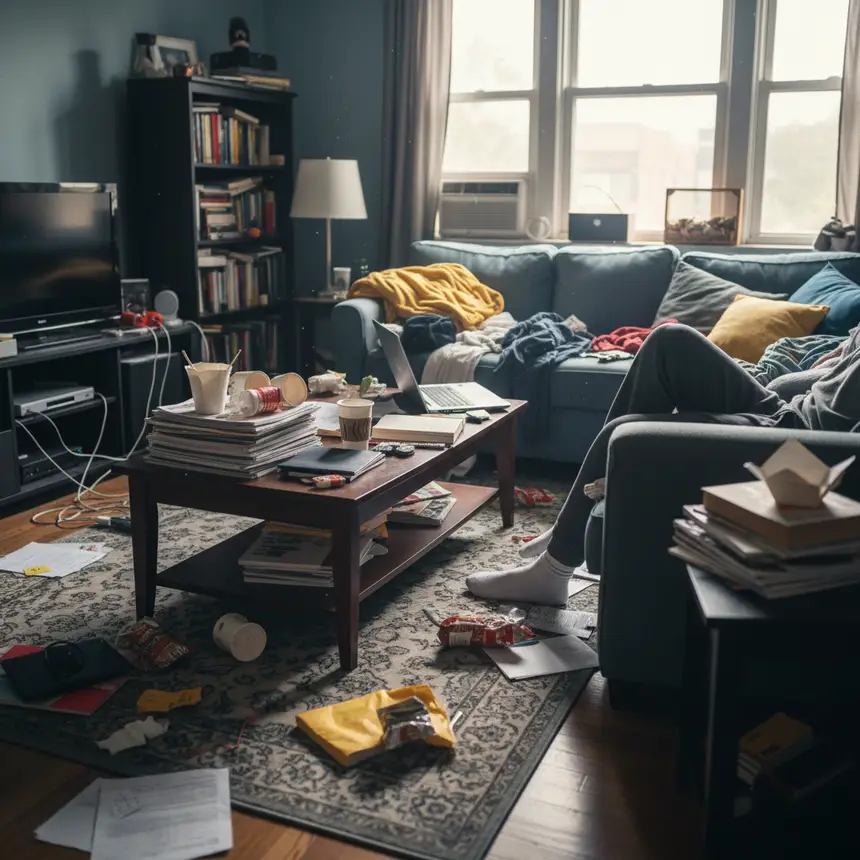
Embarking on an independent life often comes with the romantic ideal of a perfectly managed personal space. However, the reality can quickly diverge from this dream. Your cozy corner might gradually become overwhelmed by accumulating items, and maintaining cleanliness can feel like an unending chore. Returning home to a cluttered room after a long day can leave you feeling lost, unsure where to even begin. These challenges in independent living management are not unique to you; they're a common experience for many who live independently.

Unraveling the Roots of Disarray
Several factors contribute to the chaos in our living spaces. Primarily, a lack of designated homes for items is a major culprit. When there's no clear place to put things back after use, they tend to accumulate on any available surface, marking the start of disorganization. Another significant reason is the habit of holding onto unnecessary items under the vague assumption that they might be useful someday. These seemingly small objects, when multiplied, can quickly overtake an entire room. Furthermore, procrastination—the tendency to put off cleaning and organizing until later—significantly hinders the creation of a clean and functional environment.
※ This post contains affiliate links. I may earn a commission at no extra cost to you.


Practical Transformations for a Serene Space
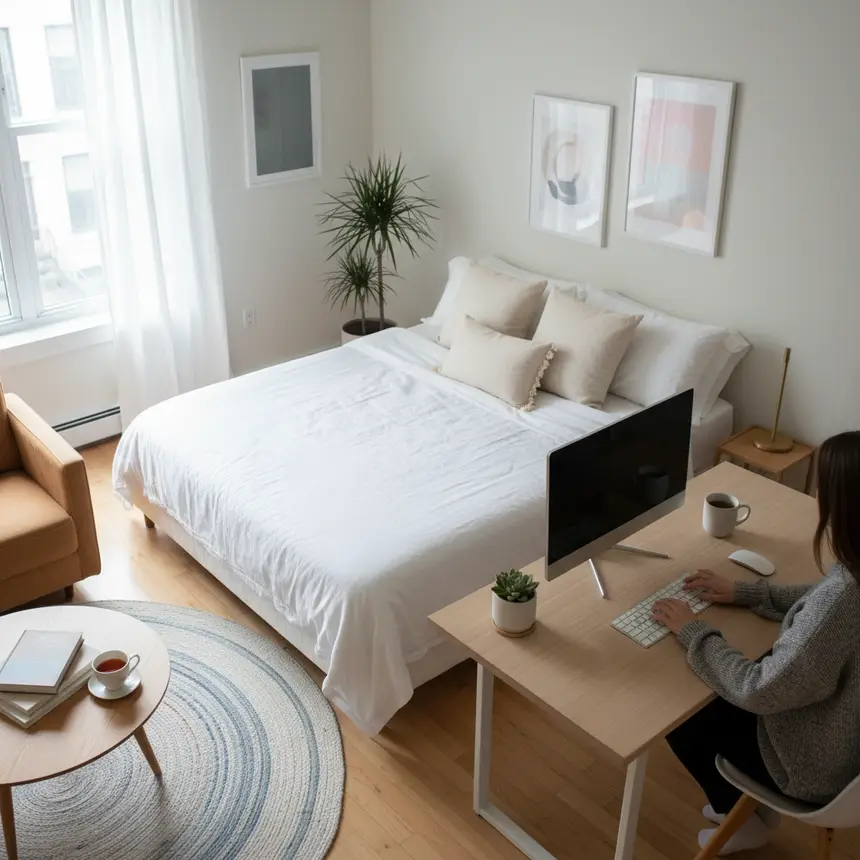
It’s time to explore actionable strategies for cultivating a fresh and functional living area. First, focus on decluttering. A helpful guideline is to sort through items you haven't used in the past six months and consider letting them go. Empty those forgotten drawers and clear out your wardrobe of clothes you no longer wear. Second, optimize your storage. In smaller spaces, utilize vertical storage solutions like wall shelves and tiered organizers. Transparent containers allow for easy identification of contents, and drawer dividers can prevent small items from mixing. Third, embed cleaning into your daily routine. Investing just 10 minutes before bed or 5 minutes before leaving can make a substantial difference, tidying up stray items or doing a quick wipe-down.

Consistency is Key to a Spotless Home
Sustained independent living management doesn't require grand gestures, but rather begins with small, consistent routines. By integrating light habits into your daily life, you can alleviate the burden of cleaning and organizing. For example, simply making your bed each morning and washing dishes immediately after meals can significantly enhance your space's cleanliness. On weekends, dedicate time to more involved tasks such as cleaning the bathroom, managing recycling, and tidying the inside of the refrigerator. Once a month, schedule larger organizing projects like refreshing your wardrobe or rotating seasonal items. By planning these weekly and monthly routines, your space will consistently remain fresh and orderly.

Your Space, Your Well-being: An Investment in Yourself
A well-organized and clean environment offers more than just visual appeal; it profoundly impacts our lives. While cluttered surroundings can induce unnecessary stress and impair focus, an orderly space fosters peace of mind and supports an efficient daily routine. Much like a carefully tended garden, your independent living space can become a sanctuary that rejuvenates your spirit and sparks inspiration. The comfort gained from consistent independent living management transcends mere cleanliness; it's a form of self-care and a valuable investment in a better life. Start with small changes today to transform your space into a robust foundation that supports your entire life.
Frequently Asked Questions
Q. My small apartment feels impossible to organize. Are there any specific tips for tiny spaces?
A. In small apartments, 'vertical space utilization' is paramount. Actively use wall shelves, narrow storage units, and under-bed storage to maximize floor area. Opting for multi-functional furniture, such as a bed with built-in storage or a foldable table, can also significantly improve space efficiency.
Q. I struggle to find time to clean in my busy schedule. What's an efficient approach?
A. Embrace the 'power of small habits.' Dedicate just 5-10 minutes each day to a 'mini-zone clean.' For instance, one day you might wipe down the bathroom mirror, and the next, tidy the kitchen sink. These consistent small efforts accumulate over time, helping to maintain overall cleanliness without feeling overwhelmed.
Q. I find it really hard to get rid of things. How can I start decluttering effectively?
A. It's natural to feel attached to belongings, but it's important to respect your space's limits. Try implementing the 'one-year rule': if you haven't used an item in the past year, choose to donate, sell, or discard it. Practice valuing the comfort of your space over the perceived value of an unused item.
Q. There are so many organizing tips, I don't know where to begin. What's the very first step?
A. Start with 'decluttering.' Reducing the total volume of your possessions provides the most immediate and tangible results. Begin by clearing obvious trash, then move on to identifying and removing unused items. Even these small steps will make your space feel lighter and provide the courage to tackle further organization.
Q. I want to break my habit of procrastinating on cleaning. What kind of motivation can help?
A. Focus on the positive feelings a clean space evokes. Starting your day in a tidy environment can feel refreshing, and returning to a clean home after work offers a sense of calm that can reduce daily stress. Instead of viewing cleaning as a chore, consider it an 'investment' in yourself and your space—a form of self-care that motivates positive action.